


Lung cancer can be immensely disruptive both physically and emotionally. Having to overcome this affliction is often made more difficult by the intense side effects of lung cancer treatments. From chemotherapy and radiotherapy to immunotherapy and targeted drugs, each approach saves lives—but often at a cost.
Cancer treatment-related fatigue (CTRF), immune suppression, inflammation, digestive issues, and cognitive fog are among the most common hurdles. But while the lung cancer treatments that cause these side effects are necessary, the side effects themselves aren’t. There are a multitude of natural, holistic, and integrative approaches to alleviating those discomforts that cancer thrivers and survivors can engage with. These include potent yet delicious nutrition, yoga, massages, homeopathic supplements, and more.
1. Why do Cancer Treatment Side Effects Happen?
Cancer therapies work by targeting fast-growing cells. Unfortunately, in doing so, they also affect healthy parts of one’s being. If a cancer was largely asymptomatic yet malignant, these cancer treatment side effects may even constitute a majority of the difficulties a patient experiences on their wellness journey.
Chemotherapy can lead to nausea, nerve damage, bodily weakness, and immune suppression. Radiation therapy may cause lung inflammation, fatigue (though cancer treatment-related fatigue is fairly common among oncological procedures), and swallowing issues. Immunotherapy and targeted therapies, while promising, can disrupt hormone levels, inflame tissues, and tax the body’s energy reserves.
2. Fortifying Nutrition against Lung Cancer Treatment Side Effects

Healing from within starts with how you fuel your body. Natural, nutrient-dense foods can lessen inflammation, promote digestive efficiency, and support recovery:
- Anti-Inflammatory Foods: Omega-3 fatty acids from flaxseed or wild-caught salmon, turmeric, leafy greens, and berries can help combat lung inflammation caused by both cancer and subsequent treatment.
- Digestion-Friendly Support: Lung cancer treatment side effects like nausea or mouth sores can discourage eating due to feelings of being unable to keep down heavy foods and pain from just getting morsels past one’s lips. Bone broth, smoothies, and gentle cooked foods (like oatmeal or squash) are easy to digest while delivering critical nutrients.
- Appropriate Hydration: Chemotherapy and radiation often lead to dehydration, exacerbating symptoms like nausea and CTRF. Coconut water, the aforementioned broths, and herbal teas, such as ginger or peppermint, can keep hydration levels up without overloading your system. Notably, the Journal of the Academy of Nutrition and Dietetics’“Efficacy of Ginger (Zingiber officinale) in Ameliorating Chemotherapy-Induced Nausea and Vomiting and Chemotherapy-Related Outcomes: A Systematic Review Update and Meta-Analysis” observed that ginger tea may also reduce chemotherapy-induced vomiting, which would help in maintaining hydration and overcoming fatigue.
For patients with suppressed appetites or GI issues, small meals every 2–3 hours are often more tolerable than large portions.
3. Homeopathy and Natural Lung Cancer Symptom Relief
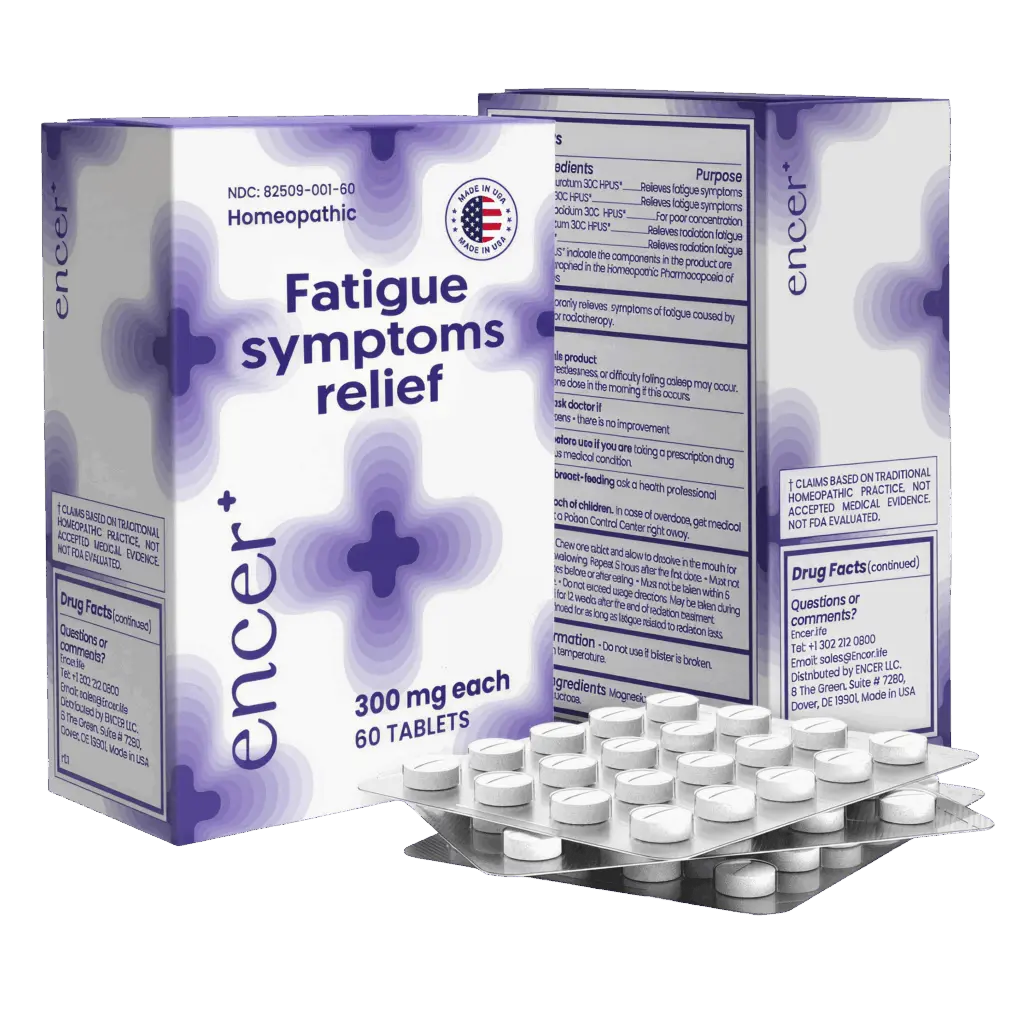
Many cancer patients turn to homeopathy for safe, non-toxic symptom management that works alongside mainstream therapies. These supplements use both natural and treated ingredients to gently stimulate the body’s own healing response and have shown potential in reducing the exhaustion, immune stress, and brain fog common in lung cancer patients. One standout option gaining attention is our very own Encer, a homeopathic remedy formulated specifically for cancer treatment-related fatigue (CTRF) that uses the following mechanisms.
- Gelsemium: For overwhelming fatigue, weakness, and trembling.
- Phosphoricum Acidum: Often recommended when fatigue is accompanied by emotional burnout or grief.
- Arsenicum Album: Can help with digestive upset and restlessness.
Because homeopathy is highly individualized, it’s best to consult a qualified practitioner to select the right remedies for your constitution and symptoms.
4. Breathing and Movement for Immunity Support
Lung cancer directly impacts respiratory capacity, that is to say, the maximum amount of air a person’s lungs can hold. Treatments can further restrict airflow and oxygen processing through inflammation or fibrosis. Integrative lung care practices are capable of helping restore the organ’s functions while building its resilience back up.
Pulmonary rehabilitation, which combines aerobic training with education and support, has been shown to improve lung function and reduce fatigue in both non-small cell and small cell lung cancer patients.
You can also consider incorporating:
- Breathing exercises like diaphragmatic breathing or pursed-lip breathing. These not only increase oxygen intake but also calm the nervous system.
- Gentle movement such as walking, chair yoga, or tai chi supports lymphatic drainage and mental clarity without exhausting the body. An Integrative Cancer Therapy systematic review regarding “The Effect of Yoga Interventions on Cancer-Related Fatigue and Quality of Life for Women with Breast Cancer” found that yoga can significantly reduce cancer-related fatigue and enhance quality of life, suggesting that low-intensity exercises like chair yoga and tai chi can offer similar benefits for lung cancer patients by promoting physical and mental well-being.
The key to this section’s practices is consistency over intensity. Even 10–15 minutes of daily, relevant movement exercises can offer measurable benefits to energy levels and immunity.
5. Rest Strategically, Not Constantly during Lung Cancer Treatment
Unlike typical tiredness, cancer treatment-related fatigue isn’t solved by a single good night’s sleep. Instead, it requires a structured approach for a patient to eventually regain the ability to rest. Such an approach may require someone to:
- Create a rest-optimized environment: Dark curtains, noise machines, and comfortable bedding can make a major difference in quality sleep.
- Practice “strategic napping”: Short naps (20–30 minutes) during the day can replenish energy without interfering with nighttime rest.
- Set activity windows: Align more demanding tasks with the time of day you feel most alert, and give yourself permission to pause when fatigue spikes.
Encer and similar remedies may be used alongside strategic rest to support natural energy production without stimulant-associated drawbacks or side effects.
6. Mind-Body Tools for Emotional Healing
The psychological toll of lung cancer treatment —fear of recurrence, anxiety, depression—is undeniable but can still be underestimated in how it can tie into the outright physical. Yet emotional stress taxes the immune system, drains energy, and intensifies symptoms. The pillars for supporting a person’s mind-body connection to achieve recovery in the face of such mental hardship are as follows:
- Mindfulness and Meditation: Even five minutes of focused breathing or guided visualization can shift the nervous system from stress (sympathetic) mode into rest-and-digest (parasympathetic) mode.
- Support Groups or Counseling: Talking to others who’ve been through similar experiences can alleviate isolation and encourage emotional resilience.
- Journaling or Various Modes of Creative Expression: Writing, drawing, or music can help externalize feelings that might otherwise stay trapped in the body.
7. Reclaiming Energy After Lung Cancer Treatment Ends
Surviving lung cancer is a tremendous achievement, but many patients report that symptoms like fatigue, pain, and the “chemo brain” phenomenon that affects a patient’s cognitive capacity to think, remember, and focus continue long after the last treatment session.
To support long-term recovery:
- Consult a nutritionist familiar with post-cancer healing to address lingering inflammation and nutritional gaps.
- Continue lung-friendly movement and pulmonary rehab.
Explore integrative therapies such as acupuncture, massage, and yes—homeopathy, including Encer as a long-term ally in managing fatigue and restoring vitality. JAMA oncology’s “Clinical Evidence for Association of Acupuncture and Acupressure With Improved Cancer Pain: A Systematic Review and Meta-Analysis” found that both acupuncture and acupressure significantly reduce cancer pain and improve quality of life, suggesting these therapies can support lung cancer patients in alleviating fatigue and enhancing overall well-being during recovery.
Complements, Not Replacements
Natural remedies, homeopathy, and holistic therapies aren’t substitutes for medical cancer treatment. That said, they can significantly ease the burden of side effects, improve immune function, and help you reclaim energy and quality of life. Always speak with your oncologist or care team before adding any new supplement or regimen.
If you’re seeking gentle, integrative ways to support yourself or a loved one through lung cancer treatment, the best plan is a layered one: combine conventional care with immune-supportive nutrition, structured rest, therapeutic movement, emotional wellness, and trusted homeopathic tools like Encer; you can have a look at our store page to learn more about it.
And always remember: Healing isn’t just about eliminating cancer—it’s about regaining strength, clarity, and the will to thrive.
FAQ: Natural Support for Lung Cancer Treatment Side Effects
Q: Why do lung cancer treatments cause side effects like fatigue and nausea?
A: Lung cancer treatments like chemotherapy, radiation, immunotherapy, and targeted therapies target fast-growing cells but can also affect healthy tissues, leading to side effects such as cancer treatment-related fatigue (CTRF), nausea, immune suppression, and inflammation. These occur because treatments disrupt normal cellular functions, including energy production and digestive processes.
Q: How can nutrition help manage lung cancer treatment side effects?
A: Nutrient-dense, anti-inflammatory foods like omega-3-rich salmon, turmeric, and berries reduce inflammation, while digestion-friendly options like bone broth and smoothies ease nausea and mouth sores. Ginger tea can also reduce chemotherapy-induced vomiting, supporting hydration and fatigue management.
Q: Are homeopathic remedies like Encer safe and effective for lung cancer symptom relief?
A: Homeopathic remedies like Encer, Gelsemium, and Arsenicum Album are non-toxic and may help manage symptoms such as fatigue, digestive upset, and emotional burnout.
Q: Can gentle movement really improve lung function and reduce fatigue in lung cancer patients?
A: Yes, gentle movements like chair yoga, tai chi, and walking support lymphatic drainage and mental clarity.
Q: How can strategic rest help with cancer treatment-related fatigue?
A: Strategic rest, including short 20–30-minute naps and a rest-optimized environment with dark curtains and noise machines, helps manage CTRF by replenishing energy without disrupting nighttime sleep. Combining this with remedies like Encer can support natural energy production.
Q: How do mind-body tools support emotional healing during lung cancer treatment?
A: Mindfulness, meditation, support groups, and creative expression like journaling reduce anxiety and depression, shifting the nervous system to a rest-and-digest state. These practices alleviate emotional stress, which can otherwise tax immunity and intensify symptoms).
Q: What integrative therapies can help with long-term recovery after lung cancer treatment?
A: Acupuncture, massage, and homeopathy like Encer can address lingering fatigue, pain, and chemo brain.