
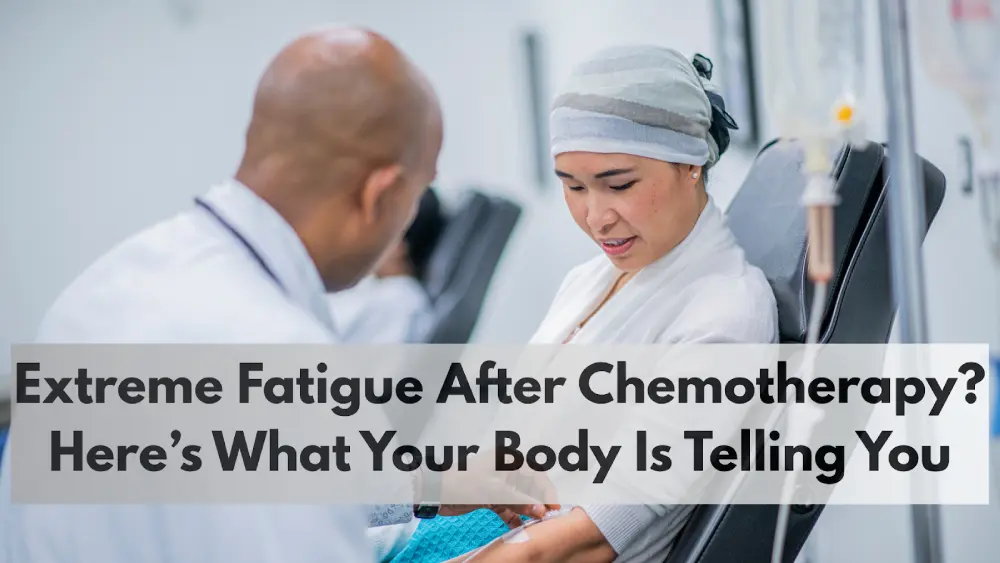

Extreme fatigue after chemotherapy is more than being tired. It is a deep exhaustion which permeates every aspect of life, physically, mentally, and emotionally. At whatever stage you are, whether you are still receiving treatment or have months under your belt of being in recovery, this degree of fatigue will have you feeling in disbelief, questioning, what is wrong, what is normal, and, most importantly when (or whether) you will ever feel normal again.
In this blog, we will unfold what extreme fatigue after chemo actually means, explore the underlying causes of extreme chemo tiredness in the first place and science-based tips to help you restore your energy.
What Does Extreme Fatigue After Chemotherapy Mean?
It is extreme and there is no exaggeration about it. Unlike the regular tiredness, this fatigue is:
- Persistent, lingering even after a full night’s sleep
- Overwhelming, with even simple tasks feeling monumental
- Multi-dimensional, impacting mind, body, and emotions
For most of the people, it is not just a side effect but a major barrier to the quality of life. However, extreme fatigue after chemo is not a coincidence but rather a sign called by your body to pay attention to something serious.
Underlying Causes of Extreme Chemo Tiredness
Chemotherapy is aimed at destroying cancer cells that boast of high rates of division. Regrettably, even the healthy cells dividing throughout the body take the brunt particularly in bone marrow, GI tract, and hair roots. This triggers a course of physiological reactions:
1. Bone Marrow Suppression & Anemia
The effect that chemotherapy has in most cases is to cause bone marrow suppression and hence decreased red blood cells and inhaled hemoglobin. When this occurs, your tissues are underserved in terms of oxygen and as a result, you experience deep and persistent fatigue.
2. Inflammation and Immune Response
Systemic inflammation is stimulated by chemo. The persistent nature of the immune system activity deprives you of energy and more sometimes you will feel achy, mentally sluggish, and drained.
3. Toxin Build-Up
The metabolism of the fragrance is burdensome to both the liver and kidneys. When toxins build up, your body spends more energy to detoxify and as the toxins build up exhaustion increases.
4. Hormonal Changes
Thyroid, adrenal or sex hormone imbalances, which are essential to the regulation of energy, may be caused by treatment.
5. Nutrient and Electrolyte Depletion
Protein (and vitamin B12, D and mineral like magnesium) deficiency created by nausea, poor appetite, GI upset during chemo further exacerbates fatigue.
6. Emotional and Cognitive Load
Mental energy reserves are strained by anxiety and depression and the stress of treatment regimens, as well as cognitive impacts (dubbed the chemo brain).
Signals Your Body is Sending
Understanding what chemotherapy fatigue signals will help you in understanding your body in a better way:
- Constant drowsiness despite sleep = potential anemia or nutrient deficiency
- Muscle weakness or cramps = magnesium or potassium imbalance
- Brain fog or memory trouble = B12 deficiency or hormonal imbalance
- Persistent stress or low mood = cortisol regulation issues—often helped by adaptogens and counseling
Your healthcare provider can help you clarify the situation and help you find a direction through the evaluation of blood work, nutrient levels, and emotional well-being.
How to Recover From Extreme Fatigue After Chemotherapy
1. Optimize Blood Health
- Check for anemia and supplement accordingly (iron, B12, folate).
- Support bone marrow health with nutrient-rich foods or supplements like CoQ10.
2. Support Liver and Kidney Detoxification
- Stay hydrated—8–10 glasses of water daily (unless otherwise directed).
- Eat antioxidant-rich foods (berries, leafy greens) to aid toxin processing.
- Consider milk thistle or NAC under medical guidance.
3. Include Energizing Supplements
Based on your provider’s advice:
- B-complex vitamins
- Magnesium glycinate
- CoQ10 for mitochondrial health
- Adaptogens like ashwagandha or rhodiola to support adrenal recovery
4. Restorative Movement
Engage in gentle activities. Walk, yoga, stretch to get circulation and endurance. Start slowly, beware of doing too much on off days.
5. Nourish With Purpose
- Prioritize protein and healthy fats for cellular repair.
- Include whole grains, colorful produce, and legumes for long-lasting energy.
- Eat small meals throughout the day to stabilize blood sugar and energy levels.
6. Sleep Support
Keep regular hours of sleep and waking. Avoid blue light before bedtime, take a relaxing supplement such as melatonin or magnesium or herbal teas.
7. Address Emotional Health
Exhaustion is not just physical, therapies, social support, mindfulness, or even diary can assist in relieving mental and emotional strains.
8. Pacing & Energy Management
Manage your energy like a bank:
- Plan demanding tasks on “good days”
- Take planned rest or nap time
- Use a fatigue log to identify patterns and needs
How Long Until You Feel Normal?
Recovery timelines vary:
- Mild fatigue may lift within weeks after treatment ends
- Persistent extreme fatigue after chemotherapy can last for 3–6 months or longer
- Many find a slow, steady improvement with an integrated approach
- Ongoing fatigue beyond a year warrants additional medical evaluation (e.g., thyroid, hormones, ongoing inflammation)
Wrap-Up: Listening, Healing, Thriving
Even in conditions of extreme fatigue after chemotherapy, your body is actually not failing you, you are in very deep recovery. You have been in a very stressful and toxic situation that demands special healing commitment.
You can slowly step out of the state of exhaustion into new energy and meaning, by understanding what chemotherapy fatigue signals, addressing nutrient requirements, promoting detoxification, and moving gently, being careful not to overlook your mental wellbeing
Most importantly, allow your body to be patient. Health does not run a race. Lots of patients can feel vibrancy back, strength, and hope with kind attention and care slowly day by day.
FAQs
Q. Why am I so tired after chemo even months later?
A. Persistent fatigue can stem from continued healing, lingering anemia, nutrient depletion, or emotional stress—recovery often takes months.
Q. What supplements are most effective for chemo-related fatigue?
A. vidence supports B-vitamins, magnesium, CoQ10, and adaptogenic herbs—but consult your healthcare provider before beginning any regimen.
Q. How can I tell if fatigue is dangerous?
A. Severe or worsening fatigue, dizziness, chest pain, or depression should be evaluated promptly by a medical professional.
Q. Are there medical treatments for chemo fatigue?
A. Yes. Options include iron or erythropoietin for anemia, thyroid/hormone therapy, and counseling for emotional support alongside lifestyle measures.