
As we enter the late months, a time typically reserved for festive celebrations and welcoming feasts, the subject of foods safe for cancer patients and survivors comes to mind; what scrumptious morsels and comforting snacks can pass through their lips safely? Medication, chemotherapy, and other oncological treatments are vital, but so are the everyday meals that fuel the body’s capacity to heal.
Taking the right food for the right outcomes is one of the central tenants of traditional, homeopathic, and holistic wellness. In this case, it’s keeping one’s body as protected, unburdened, and nourished as possible. This state of being will allow a patient to better handle the side effects of cancer and the oncological procedures needed to combat it. To achieve such, it’s important to know what could get in the way of one’s recovery, and of course, why.
The Reasons for Restraint
Dietary adjustments for a patient undertaking chemo, radiotherapy, and the like are made for three core reasons. The first is to get more beneficial compounds and calories; less fluff and more fulfillment at this very urgent juncture in a person’s life. The other two involve safeguarding against harmful substances, and avoiding unnecessary metabolic strain.
Cancer disrupts one’s bodily functions. This can lead to fatigue from a body needing more effort to enact its normal duties, and even then it could underperform. Unfortunately, the immune system is also severely compromised, so someone afflicted with leukemia or a sarcoma variant can ill afford to become ill with more maladies. Along with poor hygiene, what a person consumes can also put them at risk from bacteria and carcinogenic ingredients. Worse, they may even have poor reactions when interacting with their crucial medications.
With a person being in such a delicate if salvageable state, every crumb of energy they can safely get is essential. Eating helps provide that energy, but labored digestion can rob a good deal of it. A cancer patient could eat a sizable portion of the food they usually did, and it wouldn’t directly harm them. Fried chicken, donuts, and french fries, don’t suddenly become instantly poisonous due to their struggles with cancer. Rather, they can cause undue stress on a body that is in a very precarious situation. Bloating from foods they are even mildly intolerant to, gut irritations and inflammations from spices, dehydration from energy drinks, and other formerly mild dietary inconveniences become more severe in their consequences.
Farewell to Certain Foods
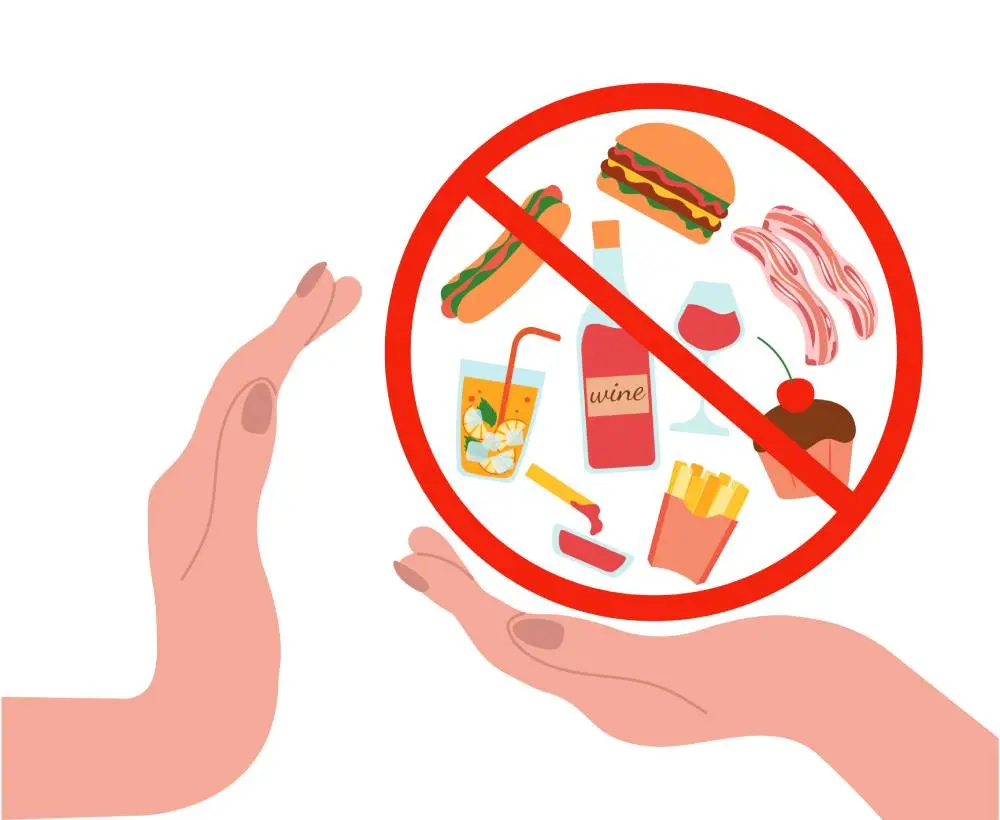
Now we can start tackling the sorts of foods that cancer patients shouldn’t eat.
Fried or Overly Grilled Foods: Frying or grilling food for too long can foster the creation of carcinogenic compounds like heterocyclic amines (HCAs) and polycyclic aromatic hydrocarbons (PAHs). For grilling, charred portions of the food are a good visual indicator that HCAs and PAHs may have manifested.
Sushi (Fish), Rare Steaks, Cold Cuts, Raw Eggs, and Smoked Fish: Undercooked dishes should be avoided in general due to being potential vessels for harmful bacteria such as Salmonella, E. coli, and Listeria. Even those who have overcome these diseases before their cancer diagnosis would still do well to avoid another encounter with any of them.
Unpasteurized Dairy Products and Soft Cheeses: Bries, Camembert, Gorgonzola, Roquefort, Stilton, Feta, and Blue Cheese can harbor infectious bacteria and mold that a cancer patient may not have the strength to handle.
Sprouts: Not all that is green is good for you. You’d think that fruits and vegetables would be safe bets for foods that cancer patients could eat, but there are some exceptions. Hard as it may be to believe, but alfalfa, clover, mung beans, and radish sprouts can harbor E. coli and Salmonella as well.
Grapefruit: Inexplicably, while grapefruit does possess healthy antioxidants like lycopene, it also possesses enzymes that can interfere with lung, neck, head, neck, and breast cancer medications such as vincristine and docetaxel. It’s advised that a cancer patient ask their doctor is grapefruit is a food that’s safe to consume in the midst of their treatment plan.
Unwashed Fruits and Vegetables: Similarly, unwashed produce can contain not only bacteria, but parasites and pesticide residue. Thorough washing, and perhaps even cooking, must be performed for safety purposes.
High-Fiber Raw Vegetables: Less severely, raw vegetables, especially those with high fiber can cause cases of bloating and intestinal gas build-up more so than they would before a person has taken chemotherapy, radiotherapy, etc.
Whole Grains: Similar to the risks of High-Fiber Raw Vegetables, although whole grain foods are generally safe foods for cancer patients to eat otherwise.
Alcoholic Beverages: Alcohol has a propensity for negatively interfering with a multitude of medications, cancer treatments being some of them. The dehydration doesn’t help either.
Sugary Foods and Drinks: Less alarming than the above, but still perilous due to how sugar can contribute to existing fatigue, as well as cause inflammation and other side effects.
Excess Caffeine: A cancer patient’s energy levels are already in disarray due to the ravages of the disease and issues with cancer treatment related fatigue. An ill-timed cup of coffee or glass of cola can cause sleep disturbances.
Greasy Foods: Even a formerly healthy patient who could eat french fries and doughnuts with no issue may find themselves grappling with nausea and bloating that their former levels of metabolism protected them from.
Refined Carbs: Refined Carbohydrates such as white bread and white rice have their uses in cancer treatment, chiefly for those patients who are experiencing diarrhea, but otherwise they should be taken with caution as they can cause spikes in blood sugar levels, which in turn affects energy balance, and can lead to inconvenient bouts of fatigue.
There are nuances, of course, which will be covered soon.
For this limited series, we’ll be covering a number of the different types of foods that cancer patients can eat while grappling with fatigue, digestional issues, nausea, and other side effects from their oncology treatments. Next time: CHEESE!