
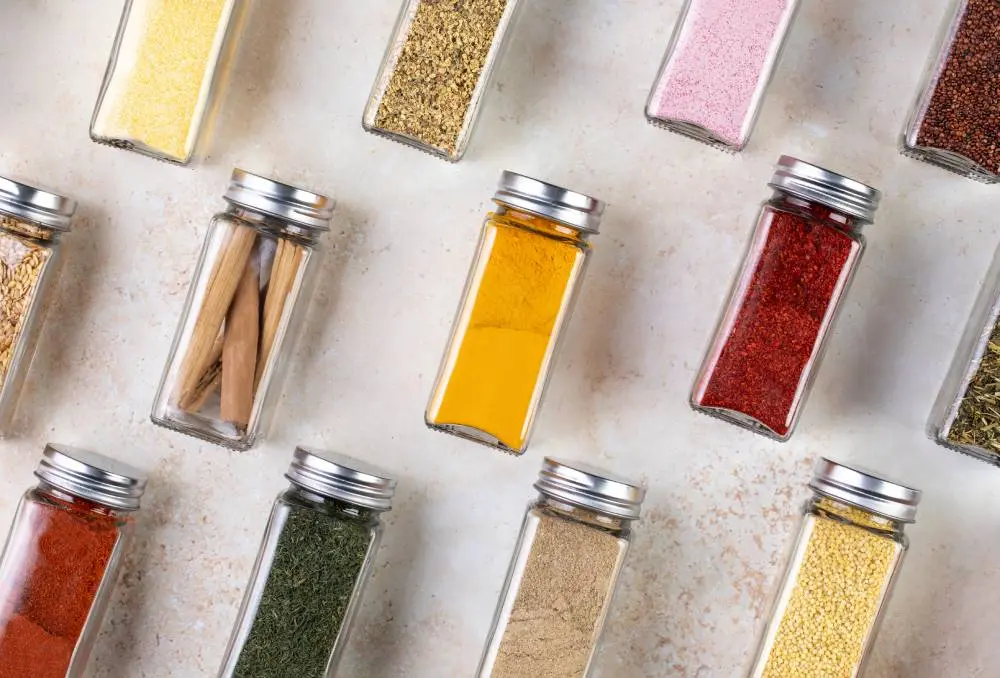

This series has covered the kinds of cheeses, carbohydrates, and meats that cancer patients can safely eat. Some sumptuous delights like bacon and brie had to be shelved whilst other delectable delights such as tenderloins and cheddar stood strong. Now you’ve got your whole wheat noodles, your baked pork cuts, and some shredded parmesan to go with it. With all that assembled, you still want to go further. You want to enhance the flavors with a pinch of this or a dash of that, but you’re wondering how to do it properly and safely as you work your way through your oncological treatments like chemotherapy, radiotherapy, and the rest.
Just as with meats, cheeses, and carbohydrates, the key is to select spices and seasonings that enhance flavor without provoking stress on the body or interfering with treatments. When chosen and used carefully, these ingredients can not only provide extra flavor, but also facilitate anti-inflammatory, immune-supporting, and digestive benefits.
The core criteria for these herbs, spices, and other seasonings is as follows:
- Doesn’t introduce any harmful substances into the body like carcinogens or excess bacteria.
- Avoids provoking stressful bodily processes like digestive issues, inflammation, and dehydration.
- Has no compromising interactions with conventional cancer medications or treatments.
For extra security and health protection in terms of specific dietary concerns and food allergies, it is recommended to seek guidance from a trusted physician.
As we did before, we’ll first get the spices that aren’t so safe for cancer patients to use out of the way first. Don’t worry, it’s a very short list:
- Spicy Peppers: These are peppers like cayenne pepper or chili flakes. These spices can irritate the more sensitive stomachs of cancer patients, causing undue discomfort.
- High-Sodium Seasonings and MSG: While salt is essential forr avoiding conditions such as hyponatremia, too much of it can result in electrolyte imbalances.
- Excessive Black Pepper: Just too much black pepper. More on this later.
We’ll also be recommending serving sizes and limits for each item listed. These measurements are per dish, and while it’s usually good wisdom to season to taste, we strongly advise against exceeding the maximum amounts mentioned below. And what luck, there’s so much variety in how cancer patients can spice their food, including herbs, peppers, broths, and so much more.
Herbs
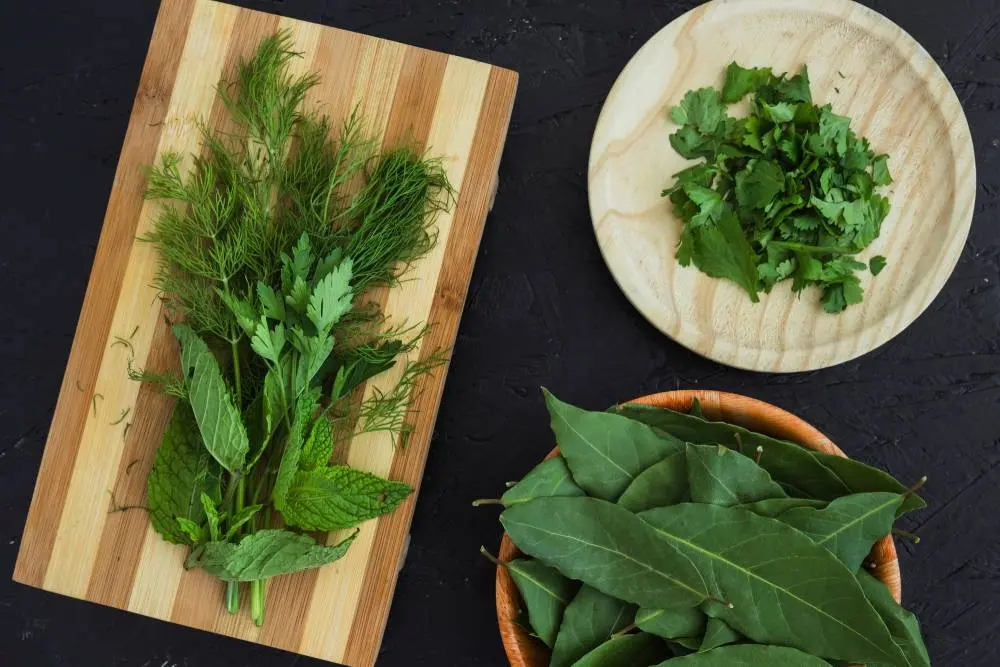
- Basil: 1-2 tablespoons of fresh basil or 1 teaspoon of dried basil. Refreshing with a licorice-like taste. Has anti-inflammatory properties.
- Oregano: 1-2 teaspoons of fresh oregano or 1 teaspoon of dried oregano. Heavily associated with Mediterranean and Italian cuisine, oregano is loaded with antioxidants and an unmistakably savory essence.
- Rosemary: 1-2 teaspoons of fresh rosemary or ½ teaspoon of dried rosemary. An aromatic, warm, and woody herb. Like oregano, rosemary is rich with antioxidants.
- Thyme: 2 teaspoons of fresh thyme or 1 teaspoon of dried thyme. Subtle minty with a tasteful lemony twist, thyme also possesses immune-supporting properties.
- Cilantro: 2-3 tablespoons of fresh cilantro leaves. Besides being a popular herb of choice thanks to its bright and cirtrusy personality, Cilantro has body detoxifying qualities.
Spices
- Turmeric: ¼ to ½ teaspoons of ground turmeric. The curcumin in this gives it anti-inflammatory properties akin to basil though it has a warmer and more bitter taste compared to basil’s. It has been associated with the suppression of tumor growth in some cases.
- Ginger: 1 teaspoon of grated fresh ginger or ½ teaspoon of ground ginger. Can reduce nausea while having sharpness and spice akin to pepper. Some ginger as zesty and somewhat sweet.
- Cinnamon: ½ teaspoon per normal dish, or up to 1 teaspoon for drinks or baked goods. A sweet substitute for sugars and artificial sweeteners that also regulates blood sugar.
- Paprika: ½ to 1 teaspoon. A colorful yet mild smoky and sweet spice, which can be incorporated into rubs, soups, egg dishes, and other meals in place of traditional spicier peppers.
- Cumin: ½ teaspoon of ground cumin per dish. For those who want an earthier, slightly bitter, and nutty spice. Cumin is a big hit in Indian, Middle Eastern, and Mexican cuisines involving meats, stews, and bean appetizers. Aids in digestion.
Mild Peppers
- Black Pepper: ¼ to ½ teaspoon. A classic. The versatile flavor enhancer can still be safely enjoyed by cancer patients with tight moderation.
- Sweet Paprika: ½ teaspoon. Like paprika but a little smokier, and a little spicier. You can use it to add a gentle kick to eggs, stews, and soups.
- Mild Chili Powder: ½ teaspoon. As it is with black pepper, very mild chili powder can still be used in modest amounts so as not to upset digestion.
Citrus Zest
1 teaspoon of freshly grated zest per dish is the recommended limit. This can be lemon, lime, or orange. This can make it an interesting substitute for salt. Use Citrus Zest to enhance salads, marinades, and baked goods.
Garlic and Onion
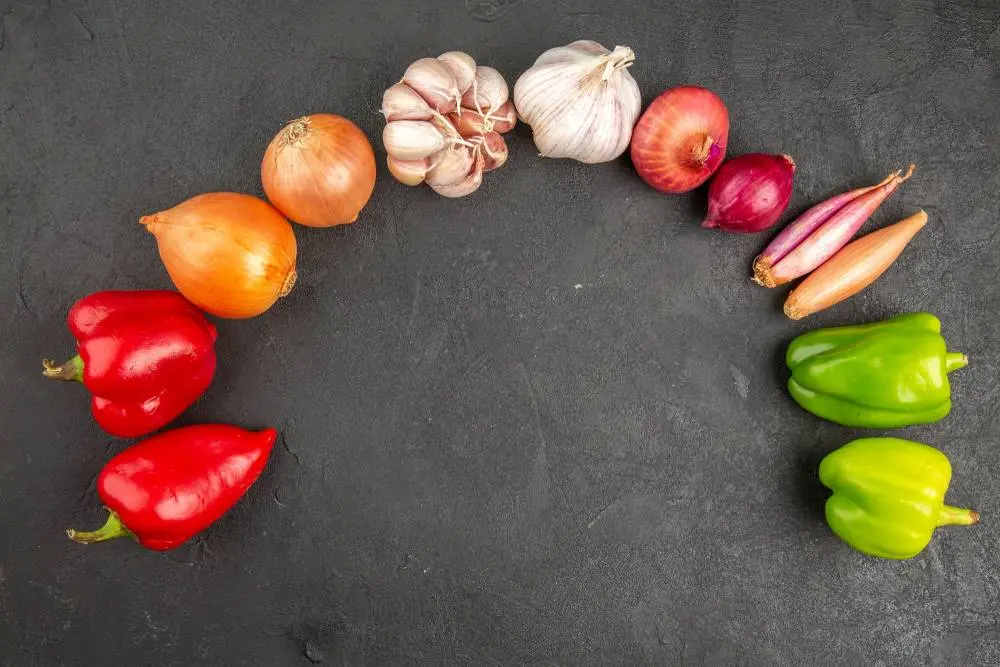
- Garlic: 1-2 cloves of cooked garlic. Cooking garlic helps dilute it so cancer patients can consume it safer. Garlic also possesses allicin, which is responsible for its powerful aroma and possesses mild cancer-fighting properties. Works well in soups, sauces, and roasted dishes.
- Onion: ¼ to ½ cup of cooked onions. Cooked onions are less pungent than their raw counterparts. Slice them, chop them, puree them. So long as they’re cooked, onions can be prepared in a variety of ways.
Vinegars
- Apple Cider Vinegar: 1-2 teaspoons. Mild with apple notes, apple cider vinegar aids in the digestion as it adds a jubilant tang to your dressings and marinades.
- Balsamic Vinegar: 1 tablespoon per serving. Sweeter than regular vinegar, and possessing a smooth, syrupy body. Balsamic vinegar.
Low-Salt Broths
- Low-Sodium Chicken Broth: ½ to 1 cup. Broths can be used for cooking methods that produce food safe for cancer patients such as poaching and boiling. Chicken broth has high protein content, collagen, and vital minerals (calcium, phosphorous, and magnesium).
- Low-Sodium Vegetable Broth: ½ to 1 cup. Though not as immediately flavorful as low-sodium chicken broth, vegetable broth is blessed with vitamins, antioxidants, and fibers whilst being lower in calories, fat, and cholesterol.
Seasonings can brighten up a meal, elevating your enjoyment of old favorites and maybe even dishes you didn’t know you could love.
Next time in Cuisine for Cancer Patients: Beverages!