
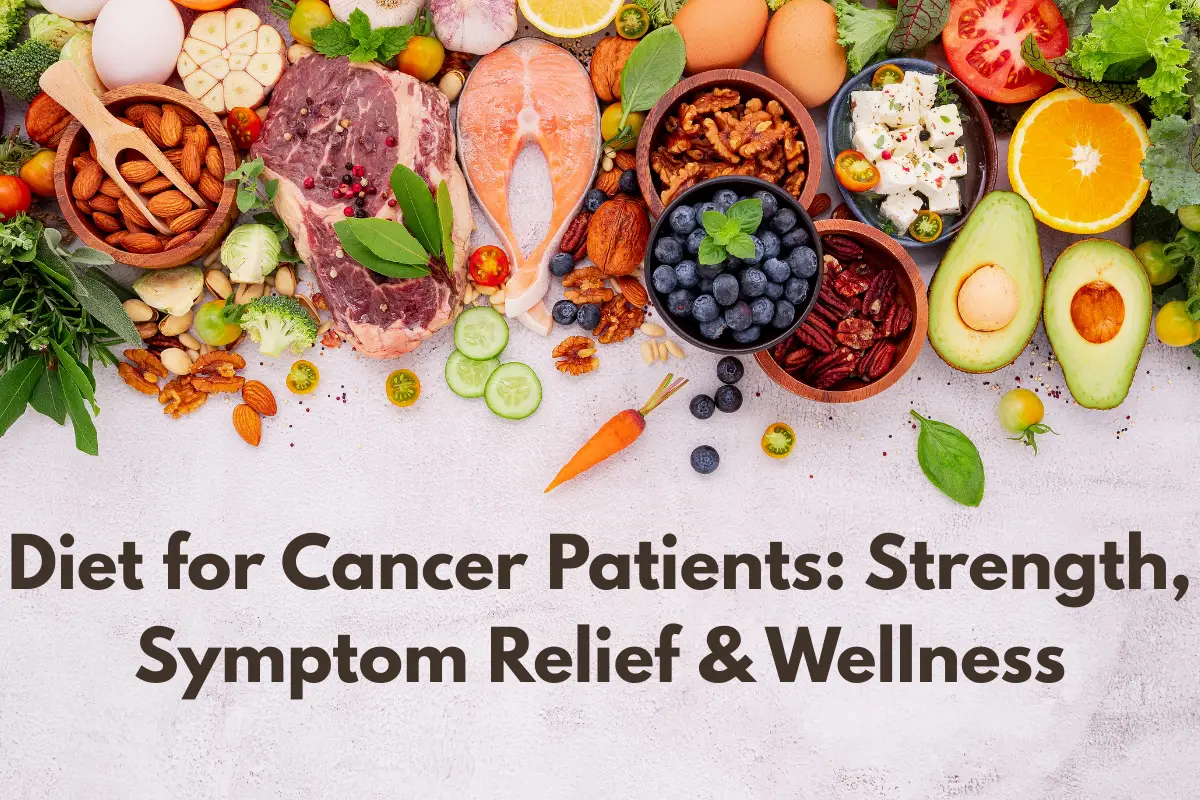

Fundamentals of a Cancer-Friendly Diet
Nutrition is critical in the treatment of cancer. Properly planned diet not only ensures one does not lose body weight and muscles when pursuing the therapy sessions, but it also enhances the body to cope with treatments like chemotherapy, radiation, or even surgery. Healthy diets promote immune response, limit inflammation as well as aid the body in healing tissues better. It may also reduce typical side effects such as tiredness, vomiting, or the inability to eat, thus, simplifying the process of treatment.
Through sufficient supply of proteins, good fats, vitamins, minerals and antioxidants, a cancer friendly diet becomes a proactive partner in the process of recovery and future health.
Core daily intake
Fruits and Vegetables
Aim for 2½–3 cups of vegetables and 1½–2 cups of fruit per day. Brightly coloured vegetables and fruit give the body antioxidants, vitamins, minerals, and plant components that help fight the body against inflammation and boost the immune system.
Vegetables with dark leaves, berries, cruciferous vegetables (broccoli, cauliflower, Brussels sprouts) and orange vegetables (carrots, sweet potatoes), in particular, are very nutritious.
Whole Grains Over Refined
Choose brown rice, quinoa, oats, barley, and whole wheat bread over refined grains. Whole grains supply fiber for digestive health and steady energy release. They also help manage blood sugar during treatment. Variety ensures a broader spectrum of nutrients.
Lean or Plant-Based Proteins
Protein is essential for repairing tissues and maintaining muscle mass. Cancer patients may need 1.2–1.5 g of protein per kilogram of body weight per day—sometimes up to 2 g/kg in severe cases. Sources include poultry, fish, eggs, tofu, tempeh, lentils, beans, Greek yogurt, and cottage cheese.
Low-Fat or Fermented Dairy
Choose low-fat milk, yogurt, kefir or fortified plant milks as a source of calcium and protein. Fermented dairy would also be a potential gain to gut health, which could be significant since the digestive system might be hindered as a result of treatment.
Foods to limit or avoid
There are foods that add inflammation, undesired weight gain, and that compromise therapy.
- Processed and Red Meats — Sausages, bacon, deli meats, and high-fat red meats are linked to higher cancer recurrence risk.
- Sugary Beverages — Soda, sweet teas, and energy drinks can cause energy crashes and contribute to weight changes.
- Ultra-Processed Snacks — Chips, cookies, and packaged pastries add calories with little nutrition.
- Alcohol — Even small amounts are discouraged during treatment, as it can irritate the digestive tract and impair immune function.
Emerging Concern: According to some studies, the action of immunotherapy can be undermined by sucralose (an artificial sweetener). Studies in this area are in early stages but most oncologists advise against consuming artificial sweeteners during therapy.
Managing Treatment Side Effects Through Diet
Side effects may cause food intake to be complicated, but special nutrition measures can support patients in their consumption and strength. Adequate hydration is also essential, as dehydration can worsen symptoms.
Nausea & Vomiting
- Choose bland, soft, cold or room-temperature foods (e.g., applesauce, yogurt, mashed potatoes).
- Eat small meals more often rather than having three large meals.
- Ginger tea, ginger candies, or ginger-flavored crackers may help settle the stomach.
- Dry snacks like crackers or toast before getting out of bed can prevent morning nausea.
Fatigue, Appetite Loss & Weight Loss
- Eat 4–6 small, high-calorie, high-protein meals daily.
- Include calorie-dense snacks like peanut butter on toast, cheese and crackers, or avocado smoothies.
- Liquid nutrition—milkshakes, smoothies, meal-replacement drinks—can be easier to tolerate than solid foods.
- Don’t wait until you feel hungry—set timers to remind you to eat.
- Some cancer patients use Encer – a homeopathic remedy to manage cancer-related fatigue. Encer can be a good option to get rid of treatment fatigue safely as it does not intervene with conventional treatment of cancer.
Constipation & Diarrhea
- Constipation: Increase fiber gradually via fruits, vegetables and oats; take lots of water, or herbal teas.
- Diarrhea: BRAT diet (bananas, rice, applesauce, toast) and use electrolyte solutions to re-hydrate. Do not eat high oil or spicy food until you get rid of the symptoms.
Taste Changes, Mouth Sores & Chewing Difficulties
- Choose soft and moist food such as porridge, mashed vegetables, cold smoothies or yogurt.
- When the mouth is sore, avoid acidic or spicy foods.
- To reduce metallic taste, add herbs, lemon zest; mild marinades; or sugar-free mints or gum can even help after the chemo.
Chemo-Infusion Tips
- Before infusion eat light foods which are easy to digest foods (e.g. fruit, yogurt, toast).
- Pack bland snacks like crackers or banana slices.
- Sip water regularly, but avoid very sweet drinks.
Enhancing Treatment Outcomes & Survivorship
Eating qualities potentially determine not only the well-being, but also the success of the overall treatment of cancer.
There is mounting evidence that a diet high in fiber may also be linked with better response to immunotherapy of some cancers, potentially preserving health of the gut microbiome. A balanced gut environment may be helpful in balancing immune activity, inflammation and making the body resilient through treatment.
Conversely, ultra-processed foods are to be avoided; they have excessive amounts of refined sugars, unhealthy fat content, and additives. Restricting these foods does not just promote increased treatment tolerance, potentially, it can reduce the chances of such conditions as cancer recurrences and diseases such as interstitial cystitis through decreasing systemic and chronic inflammation.
Meal Patterns & Practical Tips
Eat frequently often (ideally every 2 hours) even when you are not hungry so that you avoid unintentional weight loss.
Hydration — Target 80–100 ounces/day (about 2.4–3 liters). Add milk, juice, broths and electrolyte beverages, particularly when there is diarrhea or vomiting.
Visual Guidance — Follow the “Rainbow Plate” method: fill ⅔ of the plate with plant foods (fruits, vegetables, whole grains) and ⅓ with protein-rich foods (animal or plant-based).
See a dietitian if you:
- Lose >5% of body weight unintentionally
- Experience severe or persistent side effects
- Struggle to meet protein or calorie needs
Quick Summary
The high protein diet that is well balanced and full of fruits, vegetables, whole grains, lean and plant-based proteins help weight-loss in cancer patients, strengthen immunity and reduce the burden of taking medicines, treatment side effects, and possibly improve outcome.
Reduce consumption of processed food, candy/soda/sweetened beverages, red/processed meat, and alcohol. Frequent small portions, drinking water, and food with rainbow plate are important. Other than that, you can choose Encer to support your energy during and after chemotherapy or any cancer treatment.
FAQs
What should cancer patients eat to maintain strength?
A balanced diet rich in protein, colorful fruits and vegetables, whole grains, and healthy fluids helps maintain strength and support healing.
How can I manage appetite loss or nausea during treatment?
Opt for small, bland, soft meals—ginger crackers, smoothies, and cold foods often help. Eat frequently, not just when hungry.
Are there foods that worsen treatment or lower immunity?
Yes—processed meats, ultra-processed foods, sugary drinks, and possibly artificial sweeteners like sucralose should be avoided.
How much protein do I need?
Most cancer patients benefit from 1.2–1.5 g/kg/day; some may require up to 2 g/kg during intense treatment.
Is there evidence that diet affects cancer treatment outcome?
Yes—high-fiber diets have improved immunotherapy outcomes; reducing inflammatory foods supports better recovery.
What should I drink to stay nourished?
Water, milk, diluted juices, smoothies, broths, and electrolyte drinks are ideal, especially during treatment.
Can diet help reduce constipation or diarrhea?
Yes—fiber and fluids for constipation; BRAT diet and hydration for diarrhea can help manage symptoms.
When should I see a dietitian?
If you’re losing weight without trying, unable to eat enough, or have ongoing side effects that affect eating.
How to manage fatigue during and after chemotherapy?
You can make lifestyle changes in diet, exercise and sleeping patterns. Encer also can help you to manage cancer fatigue without any risk of side-effects.