

A Brief History of Radiation in Cancer Treatment
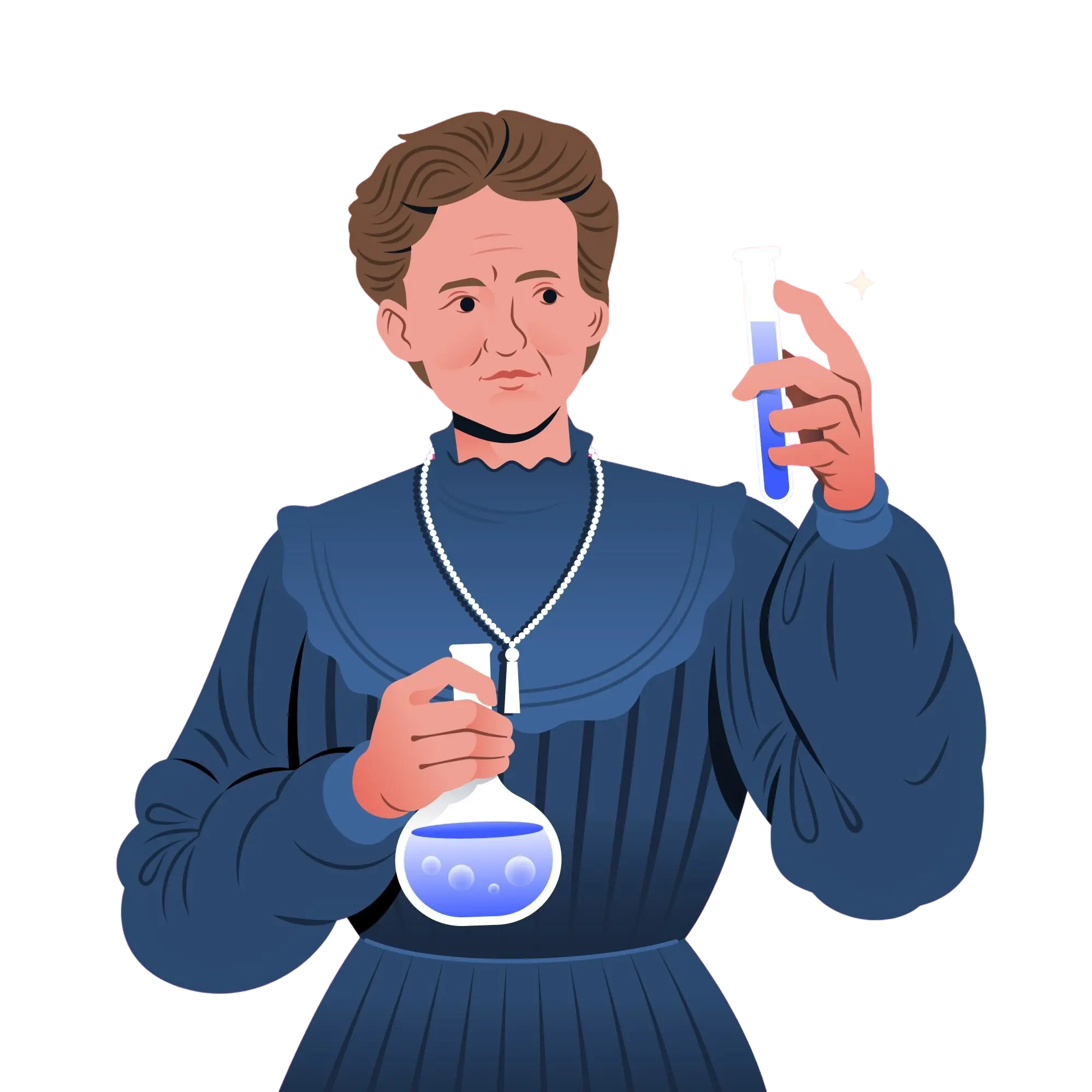
Radiation therapy has played a major role in cancer care since the early 1900s. Its medical use began shortly after the discovery of X-rays by Wilhelm Röntgen and radioactive elements by Marie Curie. Initially, radiation was used without much precision, but over time, it became a powerful and targeted tool for treating various cancers, including lung cancer.
Today, radiation is a standard part of cancer treatment. More than half of all cancer patients receive radiation therapy at some point during their care. It’s used to shrink tumors, relieve symptoms, and increase survival rates. But while its benefits are well-documented, patients often ask a simple question: Can radiation make you tired?
The Answer: Yes, Radiation Often Causes Fatigue
If you’re wondering “Does radiation make you tired?” the answer is yes. Fatigue is one of the most common and consistent side effects of radiation therapy. Studies show that between 60% and 80% of cancer patients undergoing radiation report significant fatigue during or shortly after treatment.
This isn’t ordinary tiredness. Radiation-related fatigue is different. It tends to be constant, not improved by sleep, and can linger for weeks or months. Patients often describe it as overwhelming, persistent, and deeply physical. It affects everything from concentration and emotional stability to physical stamina and motivation.
So if you’re asking “Will radiation make you tired?” the data suggests there’s a high likelihood. But to understand why, we need to look at how radiation works.
How Radiation Works to Treat Cancer
Radiation therapy uses high-energy beams, such as X-rays or protons, to damage the DNA in cancer cells. Once their DNA is damaged, cancer cells can no longer reproduce and will eventually die. This helps shrink tumors and slow the spread of disease.
Radiation can be delivered externally or internally, depending on the type and location of cancer. In lung cancer, external beam radiation is the most common. The treatment is focused on specific areas, but its effects can still be felt throughout the entire body.
Radiation is precise, but it doesn’t only affect cancer cells. Healthy cells in the targeted area can also be damaged, especially those that grow quickly. The immune system must then repair the damaged tissue. This repair process plays a big part in why radiation makes people feel so exhausted.
If Radiation Can Cause Cancer, Why Is It Used to Treat Cancer?
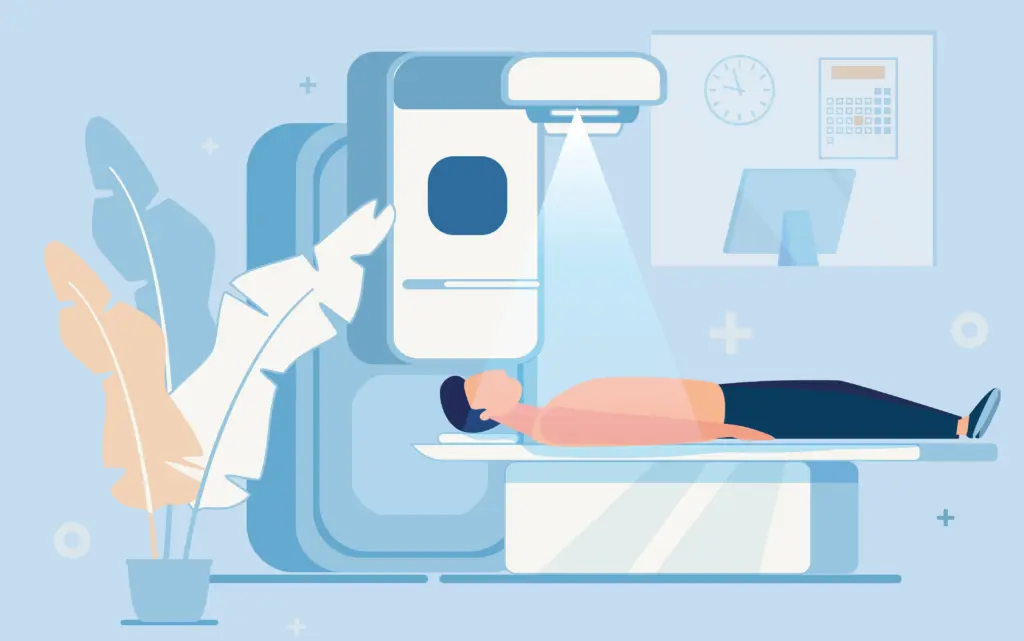
Radiation is a known carcinogen. That’s true. But it becomes dangerous when exposure is uncontrolled, like during nuclear accidents or in very high, unregulated doses. In cancer therapy, radiation is carefully planned, targeted, and monitored. The doses are high enough to kill cancer cells but are focused to avoid harming surrounding healthy tissue whenever possible.
In other words, the benefits of using radiation to kill existing cancer usually outweigh the long-term risks of causing new cancers, especially in people with life-threatening diagnoses. Doctors use radiation because, in many cases, it’s one of the best tools available to control or eliminate tumors.
Why Does Radiation Make You Tired?
So now we return to the central question: Why does radiation make you tired?
1. Damage to Healthy Cells
Radiation affects more than just tumors. It also damages healthy cells near the treatment site. The body must then activate repair systems to heal those cells. As illustrated in the Nature reviews. Clinical oncology journal entryThis process uses a lot of energy. The immune system releases proteins called cytokines, which cause inflammation and contribute to fatigue .
2. Inflammation and Immune Response
The immune response to damaged cells can create a full-body reaction. Even if radiation is delivered to one part of the body, the fatigue can be systemic. This is especially true in lung cancer, where inflammation affects the body’s ability to oxygenate and circulate blood efficiently.
3. Hormone and Sleep Disruption
Radiation can interfere with hormone production, particularly if it’s near the brain, spine, or adrenal glands. Hormones help regulate sleep and energy. When they’re disrupted, your body’s internal rhythm suffers. You may feel tired during the day, unable to sleep at night, or both.
4. Psychological Stress
Radiation therapy requires daily hospital visits. It often lasts several weeks. This physical routine, combined with the emotional stress of cancer itself, can leave patients mentally and emotionally drained.
5. Appetite and Nutrient Deficiency
Radiation can reduce appetite. Some patients experience nausea or mouth soreness. These symptoms make it harder to eat well. If your body lacks key nutrients, your energy levels drop.
So while radiation is a local treatment, the fatigue it causes is the result of a whole-body response.
Managing Radiation-Related Fatigue
1. Energy Pacing
Break your day into small tasks. Take frequent breaks. Avoid pushing through exhaustion, which can lead to setbacks. Many patients find it helpful to use a journal to track energy highs and lows.
2. Nutritional Support
Focus on easy-to-digest, nutrient-rich foods. These include smoothies, soups, cooked vegetables, and high-protein snacks. Stay away from processed sugar and fried foods, which can make inflammation worse.
3. Staying Hydrated
Dehydration can increase fatigue. Aim for water, broths, or herbal teas like ginger or peppermint. Sip throughout the day rather than drinking large amounts all at once.
4. Moving Gently
Light exercise, such as walking or stretching, helps improve circulation. It also supports mood and reduces fatigue over time. Short, consistent activity is more effective than long, intense workouts.
5. Emotional Support
Counseling, support groups, or simply talking to someone who understands can reduce emotional stress. Fatigue is more than a physical symptom—it affects mental health too.
Integrative Support and Radiation Fatigue

In our previous articles “Natural Ways to Alleviate Lung Cancer Treatment Side Effects” and “How to Cope with Fatigue During Lung Cancer Treatment”, we explored alternative tools for managing side effects. One such approach is homeopathy, which many patients turn to for gentle, non-toxic relief.
A product like Encer is formulated to support energy and focus during cancer treatment. It’s not a stimulant or a drug. Instead, it works as a homeopathic supplement that may help ease fatigue without adding side effects. While not a substitute for medical treatment, it can be part of a broader fatigue management strategy. Always check with your care team before adding new supplements.
“Can radiation make you tired?” the answer is yes—often significantly so. The fatigue comes from your body’s complex and exhausting attempt to repair, adapt, and survive. It’s not just in your head. It’s real, and it’s valid.
But you have options. With the right combination of nutrition, pacing, emotional support, and integrative tools like Encer, fatigue can be managed. Many people go on to regain energy, focus, and well-being, even in the midst of ongoing treatment.
You’re not just fighting cancer. You’re learning to heal. That includes listening to your body—and giving it what it needs to get through.
FAQ: Radiation and Fatigue
Q: Can radiation make you tired even if it’s only targeted to one part of my body?
A: Yes. The body’s repair process and immune response are full-body efforts, even if radiation is localized.
Q: How long does radiation fatigue last?
A: It varies. Some feel better within weeks of finishing treatment. Others may feel tired for several months. Recovery depends on the cancer type, radiation dose, and overall health.
Q: What’s the difference between fatigue from radiation and chemo?
A: Chemo affects the whole body through the bloodstream. Radiation is more localized. But both can cause similar levels of fatigue, often for different reasons.
Q: Is there anything natural I can try?
A: Yes. Alongside medical care, some people use homeopathic remedies like Encer, acupuncture, or nutrition therapy. Always speak with your doctor first.