

Lung cancer demands aggressive treatment. Its rapid progression and ability to remain hidden until advanced stages mean that most patients must act quickly. The two most common treatments are chemotherapy and radiation therapy. Both are powerful. Both save lives. But they also bring very real and very different side effects.
While many lung cancer patients do not get to choose between them, understanding the toll these treatments take can help patients and caregivers prepare. In some cases, your oncology team will combine both therapies. Other times, a single treatment will be the best fit based on cancer type, size, and spread. Regardless of the path, knowing what to expect is the first step toward managing whatever comes.
This guide compares the common and unique side effects of chemotherapy and radiation. It also highlights how they interact when combined and explores strategies for managing their physical and emotional aftermath.
Chemotherapy and Radiotherapy Lung Cancer Side Effects
Shared Challenges Between the Two
Both chemotherapy and radiation therapy work by damaging or destroying cancer cells. Unfortunately, they also affect healthy cells, especially fast-dividing ones. This leads to a set of common side effects:
- Fatigue
- Appetite loss
- Emotional stress
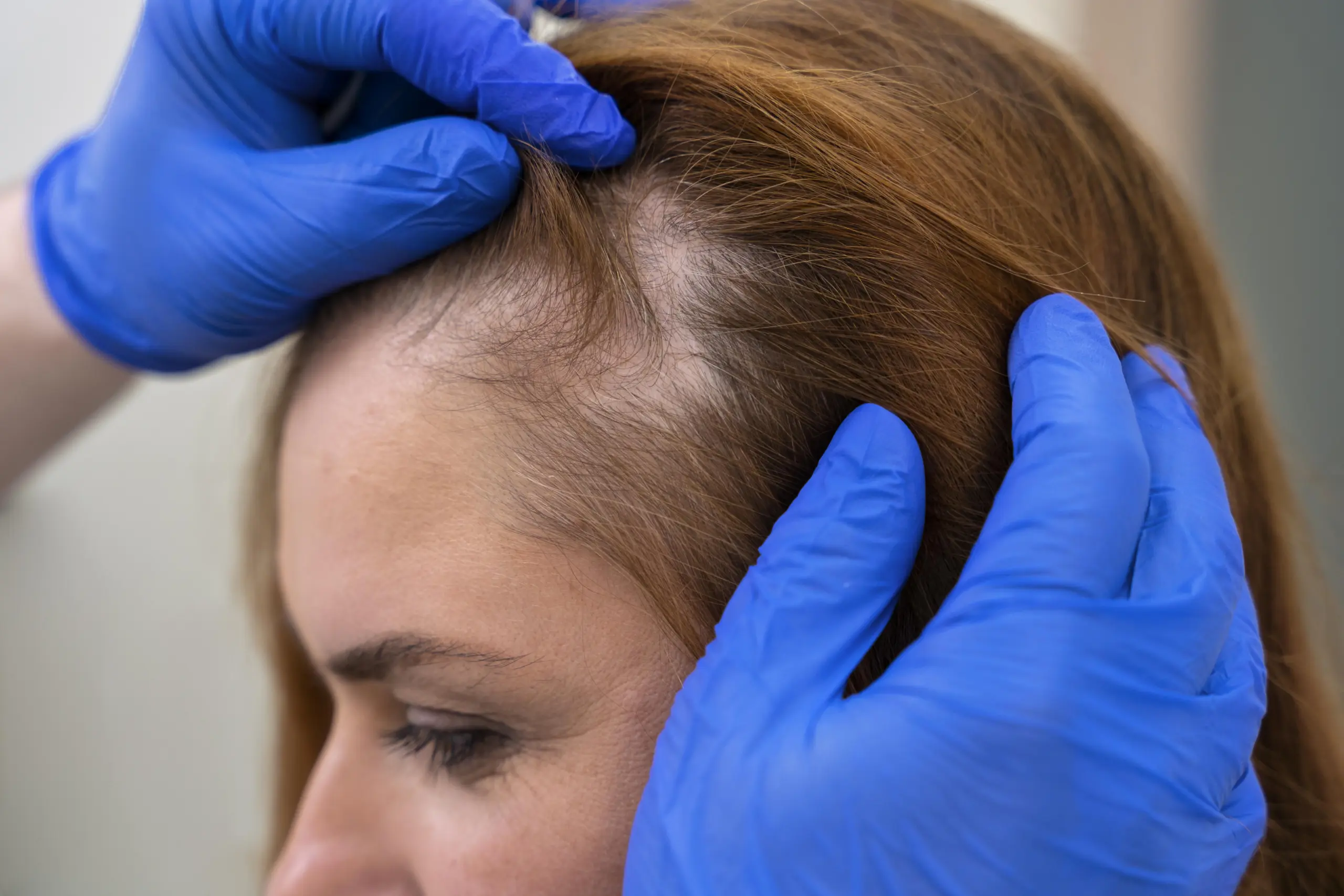
- Hair thinning or loss
- Sleep disturbances
While both treatments cause fatigue, the type of fatigue varies. Chemotherapy often leads to what is known as cancer treatment-related fatigue (CTRF), a deep and lasting exhaustion that does not improve with rest. Radiation fatigue tends to build gradually and is more linked to the cumulative dose.
Among these shared side effects, fatigue and appetite loss tend to be more severe with chemotherapy. Meanwhile, localized discomfort such as skin irritation or pain in the treatment area is more associated with radiation.
Unique Chemotherapy Side Effects
Chemotherapy affects the entire body because it travels through the bloodstream. The goal is to reach and destroy cancer cells wherever they are hiding. But that wide reach also affects healthy tissues. Key side effects include:
- Chemo nausea and vomiting
- Immune suppression and subsequent risk of infection
- Mouth sores and ulcers
- Peripheral neuropathy which can entail tingling, pain, or numbness in the hands and feet
- “Chemo brain” cognitive fog and memory lapses
- Changes in taste or smell
Among these, immune suppression is particularly dangerous. Chemotherapy reduces white blood cell counts, leaving the body more vulnerable to even mild infections. Patients must then take extra precautions, such as potentially avoiding crowded spaces during high infection periods like cold seasons and carefully monitoring their temperature.
Unique Radiation Side Effects
Radiation therapy is more targeted. High-energy beams are focused on the tumor, minimizing exposure to the rest of the body. However, radiation aimed at the chest can still impact nearby healthy tissue. Its distinct side effects include:
- Radiation pneumonitis, an inflammation of the lungs
- Esophagitis, or pain while swallowing
- Skin redness and irritation near the radiation site
- Shortness of breath or cough
- Localized pain or soreness
- Scarring or stiffening of lung tissue over time
Radiation pneumonitis remains one of the most serious and potentially life-altering complications of thoracic radiation therapy. According to a 2021 Clinics and Practice journal article called “Radiation-Induced Lung Injury—Current Perspectives and Management”, this condition can range from mild, self-limiting inflammation to severe pulmonary fibrosis requiring long-term oxygen therapy. The study emphasizes that early detection, typically through CT imaging, and timely use of corticosteroids can reduce the severity and progression of symptoms. For patients with steroid-resistant pneumonitis, immunosuppressive therapies like azathioprine or cyclosporine may be considered as second-line interventions.
Chemoradiotherapy: When Chemotherapy and Radiation Are Combined
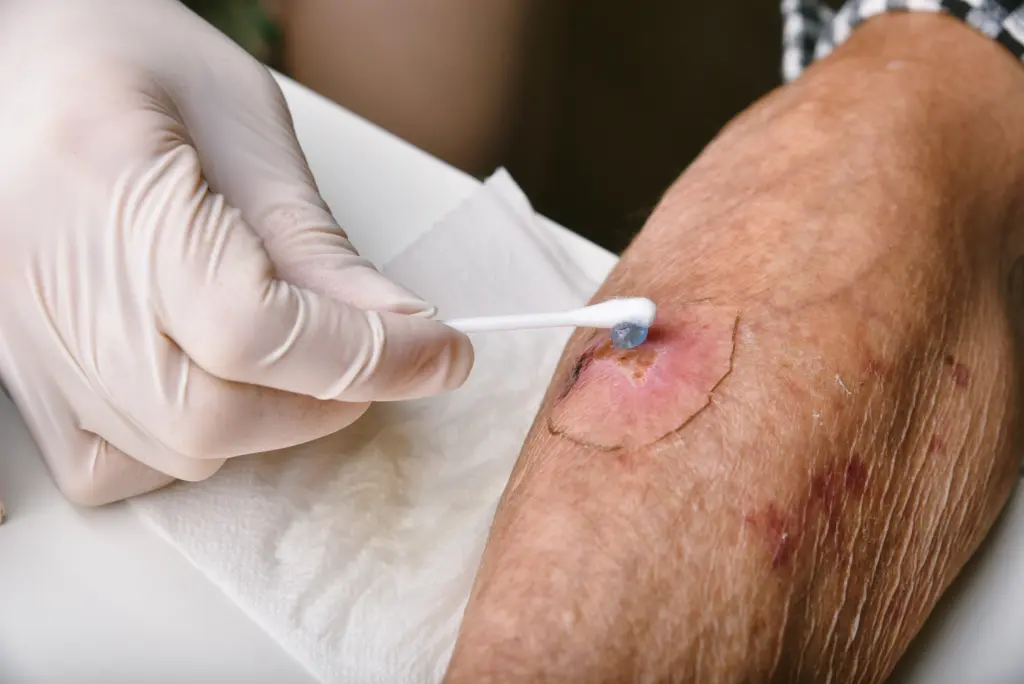
In many cases, doctors use concurrent chemoradiation therapy, or chemoradiotherapy (CRT), to treat lung cancer more effectively. This is particularly common in non-small cell lung cancer (NSCLC) when the disease is locally advanced but operable. A 2021 study in Anticancer Research about “Chemoradiotherapy in Cancer Treatment: Rationale and Clinical Applications” explains that CRT achieves synergistic antitumor effects through spatial cooperation (chemotherapy targeting distant cancer cells while radiation focuses on the primary tumor) and in-field cooperation (enhancing radiation’s local effects), improving local disease control and survival. However, this combination intensifies side effects, as it increases damage to normal tissues alongside cancer cells.
When used together, patients are more likely to experience:
- Severe fatigue, due to the combined energy demands of both treatments
- Heightened immune suppression, increasing the risk of infection
- Increased mouth and throat pain, especially if radiation targets the chest
- Delayed wound healing or recovery from infections
- Greater nausea and appetite suppression
The effects are cumulative. Patients undergoing both treatments should prepare for extended recovery times and more aggressive symptom management.
Other Complementary Lung Cancer Treatments and Their Side Effects
In addition to chemotherapy and radiation, some patients receive:
- Immunotherapy: Though these drugs can cause lung inflammation and hormone imbalances as side effects, they can also help the immune system recognize and attack cancer cells better. In particular, emerging treatment strategies involving the combination of radiotherapy with immunotherapy to harness the body’s immune system in fighting cancer are being explored. The Cancers (Basel) study “A Promising Treatment Strategy for Lung Cancer: A Combination of Radiotherapy and Immunotherapy” highlights that this combination can induce a stronger anti-tumor immune response compared to either modality alone, offering a promising avenue for improving lung cancer treatment outcomes.
- Targeted therapy: Used for specific genetic mutations, these treatments cause fewer general side effects but may still lead to skin rashes, diarrhea, or liver issues.
- Surgery: Sometimes performed before or after chemo or radiation, surgery adds its own layer of fatigue, pain, and recovery time.
- Supportive treatments: These include steroids, anti-nausea medications, antibiotics, and growth factors to rebuild white blood cell counts.
Coping with Chemo and Radiotherapy Lung Cancer Treatment Side Effects
Whether undergoing chemotherapy, radiation, or both, side effect management is key. Here are strategies broken down by treatment:
Coping with Chemotherapy Side Effects

- Combat nausea with prescribed antiemetics. Ask your care team about adjusting medication if nausea persists.
- Boost immunity with a nutrient-rich diet. Avoid raw or undercooked food. Stay away from sick people. Wash hands frequently.
- Treat mouth sores with gentle rinses made from baking soda and salt water. Avoid spicy or acidic foods.
- Ease neuropathy with acupuncture or physical therapy. Report symptoms early to prevent worsening.
- Cognitive support: Use lists, reminders, or apps to manage memory lapses and mental fog.
Coping with Radiation Side Effects
- Manage radiation pneumonitis by reporting cough or shortness of breath early. Corticosteroids can often reverse symptoms.
- Soothe skin irritation with aloe vera, fragrance-free lotions, and avoiding tight clothing around the treatment site.
- Ease esophagitis by eating soft, non-acidic foods. Sip cool liquids and avoid spicy dishes.
- Use breathing exercises to maintain lung function. Pursed-lip and diaphragmatic breathing can be helpful.
Coping with Combined Treatment Side Effects
- Plan for extended rest. Combine naps with nighttime sleep and conserve energy where possible.
- Ask for help from friends, caregivers, or social workers to manage errands or appointments.
- Join a support group. Emotional strain is heavier during dual treatment. Peer support can be invaluable.
- Track symptoms daily. Use a journal or app to monitor nausea, fatigue, pain, and mental health. This helps your care team adjust support as needed.
Moving Forward with Knowledge and Strength
Facing lung cancer is overwhelming. The treatments that fight it are intense. But by understanding the difference between chemotherapy and radiation—and knowing how to care for your body during and after—you can reduce the impact of their side effects.
Whether you are navigating chemo nausea, managing radiation pneumonitis, coping with immune suppression, or learning to rebuild strength through recovery, your experience matters. Each person’s journey is unique, but no one should go into treatment unprepared.
This guide can’t promise a smoother road, but it can offer better footing as you take each step. With the right information, support, and care plan, your body and mind can begin the long but hopeful path toward healing.
FAQ: Radiation vs. Chemotherapy Side Effects
Q: Why do both chemotherapy and radiation cause fatigue, and how do they differ?
A: Both treatments target fast-dividing cells, including healthy ones, causing fatigue. Chemotherapy leads to cancer-related fatigue, a deep exhaustion unrelieved by rest, while radiation fatigue builds gradually, linked to cumulative radiation doses. Managing energy through rest and nutrition can help mitigate these effects.
Q: How can I protect myself from infections during chemotherapy?
A: Chemotherapy’s immune suppression reduces white blood cell counts, increasing infection risk. To protect yourself, avoid crowded spaces, wash hands frequently, eat a nutrient-rich diet, avoid raw or undercooked foods, and monitor your temperature closely to catch infections early.
Q: What is radiation pneumonitis, and how is it managed?
A: Radiation pneumonitis is lung inflammation from thoracic radiation, ranging from mild to severe pulmonary fibrosis. Early detection via CT imaging and timely corticosteroid treatment can reduce symptom severity, as noted in a 2021 Clinics and Practice study. Report cough or shortness of breath promptly to your care team.
Q: Why does chemoradiotherapy cause more severe side effects than single treatments?
A: Chemoradiotherapy (CRT) combines chemotherapy and radiation for synergistic antitumor effects, improving outcomes in non-small cell lung cancer, per a 2021 Anticancer Research study. However, it intensifies side effects like severe fatigue, immune suppression, and nausea due to increased damage to normal tissues, requiring aggressive symptom management.
Q: What side effects might I expect from immunotherapy for lung cancer?
A: Immunotherapy can cause lung inflammation and hormone imbalances but enhances the immune system’s ability to fight cancer cells. A Cancers (Basel) study highlights that combining immunotherapy with radiotherapy can boost antitumor immune responses, offering a promising treatment option, though side effects need careful monitoring.
Q: How can I manage mouth and throat pain during combined chemoradiotherapy?
A: Combined chemoradiotherapy increases mouth and throat pain, especially with chest-targeted radiation. Use gentle baking soda and salt water rinses for mouth sores, eat soft, non-acidic foods, sip cool liquids, and avoid spicy dishes. Tracking symptoms daily helps your care team tailor pain management strategies.
Q: Why do both chemotherapy and radiation cause fatigue, and how do they differ?
A: Both treatments target fast-dividing cells, including healthy ones, causing fatigue. Chemotherapy leads to cancer-related fatigue, a deep exhaustion unrelieved by rest, while radiation fatigue builds gradually, linked to cumulative radiation doses. Managing energy through rest and nutrition can help mitigate these effects.
Q: How can I protect myself from infections during chemotherapy?
A: Chemotherapy’s immune suppression reduces white blood cell counts, increasing infection risk. To protect yourself, avoid crowded spaces, wash hands frequently, eat a nutrient-rich diet, avoid raw or undercooked foods, and monitor your temperature closely to catch infections early.
Q: What is radiation pneumonitis, and how is it managed?
A: Radiation pneumonitis is lung inflammation from thoracic radiation, ranging from mild to severe pulmonary fibrosis. Early detection via CT imaging and timely corticosteroid treatment can reduce symptom severity, as noted in a 2021 Clinics and Practice study. Report cough or shortness of breath promptly to your care team.
Q: Why does chemoradiotherapy cause more severe side effects than single treatments?
A: Chemoradiotherapy (CRT) combines chemotherapy and radiation for synergistic antitumor effects, improving outcomes in non-small cell lung cancer, per a 2021 Anticancer Research study. However, it intensifies side effects like severe fatigue, immune suppression, and nausea due to increased damage to normal tissues, requiring aggressive symptom management.
Q: What side effects might I expect from immunotherapy for lung cancer?
A: Immunotherapy can cause lung inflammation and hormone imbalances but enhances the immune system’s ability to fight cancer cells. A Cancers (Basel) study highlights that combining immunotherapy with radiotherapy can boost antitumor immune responses, offering a promising treatment option, though side effects need careful monitoring.
Q: How can I manage mouth and throat pain during combined chemoradiotherapy?
A: Combined chemoradiotherapy increases mouth and throat pain, especially with chest-targeted radiation. Use gentle baking soda and salt water rinses for mouth sores, eat soft, non-acidic foods, sip cool liquids, and avoid spicy dishes. Tracking symptoms daily helps your care team tailor pain management strategies.