
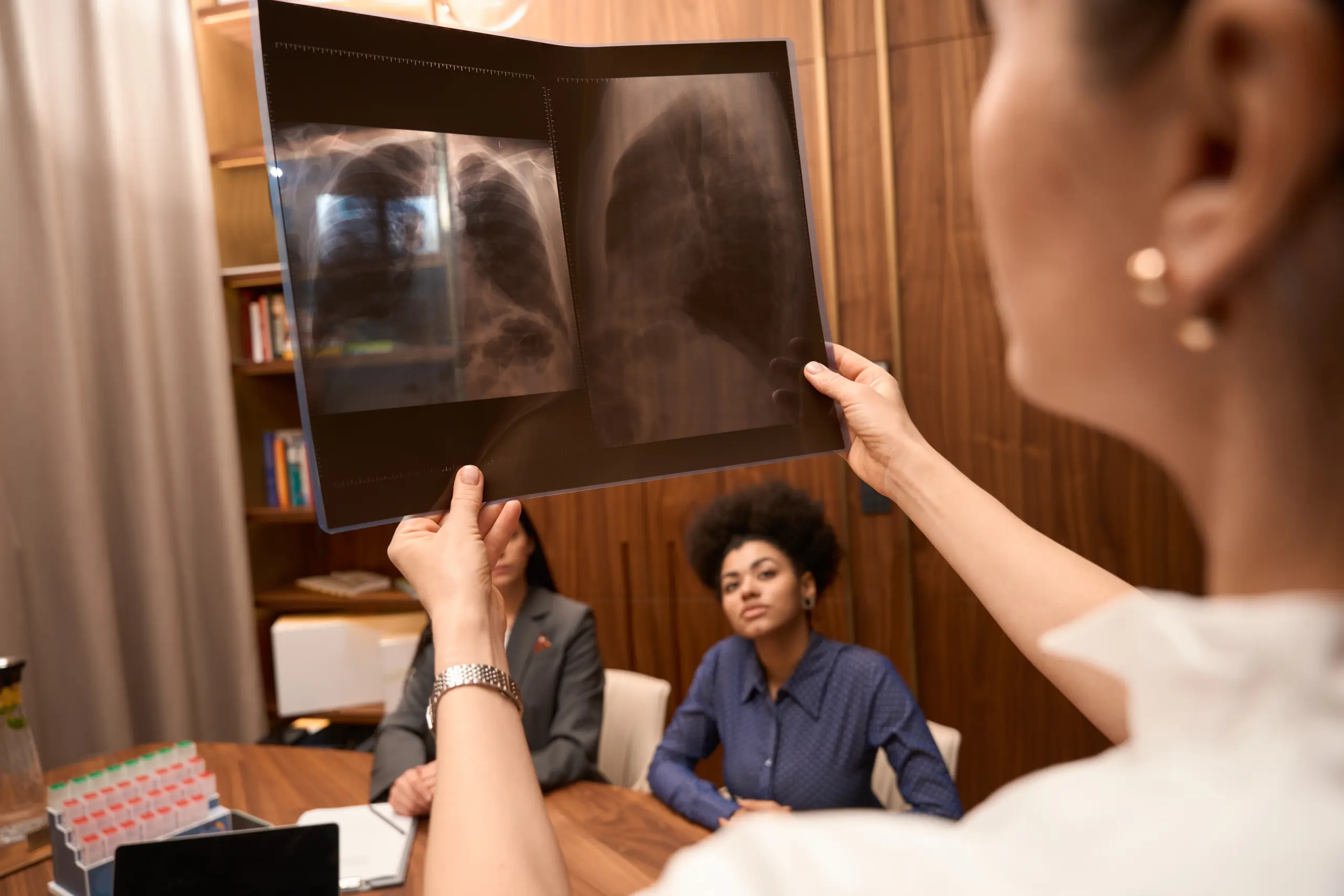

Coping with any aspect of lung cancer is daunting yet feasible. After all, lung cancer is one of the most aggressive forms of cancer. It presents a range of debilitating symptoms such as persistent coughing, chest pain, fatigue, and shortness of breath. As discussed in our article on lung cancer symptoms and treatment side effects, the therapies used to combat this disease can be as physically and emotionally taxing as the illness itself. Among these consequences, lung cancer fatigue is one of the most persistent and life-altering challenges patients face.
Understanding and then preparing for these lung cancer treatment side effects is essential not only to endure the necessary oncological treatments, but also to recover more fully once these procedures end.
Breathing: A First and Foremost Lung Cancer Concern
When discussing lung cancer and its treatment, it’s impossible to ignore the elephant in the room: breathing. The lungs, after all, are what the cancer cells are invading. Depending on the type and stage of cancer—whether it’s non-small cell (NSCLC) or small cell lung cancer (SCLC)—your ability to breathe unassisted can be compromised by tumors that obstruct airways, fluid build-up, or lung inflammation.
Furthermore, treatments like radiation therapy and immunotherapy can cause radiation pneumonitis or lung inflammation (pneumonitis). In the 2024 Suez Canal University Medical Journal study “Postoperative Pulmonary Complications: A Review of the Literature and Implications for Practice”, it was found that both of these side effects made breathing more labored and uncomfortable. Even after successful treatment, surgeries such as lobectomies or pneumonectomies may permanently alter lung capacity, requiring physical therapy or breathing support.
In some advanced cases, mechanical or artificial breathing support—ranging from oxygen therapy to ventilators—might be needed during or after treatment. However, many patients are able to regain sufficient respiratory function with the help of pulmonary rehabilitation, regular exercise, and integrative breathing techniques.
Preparing Your Body for Lung Cancer Treatment
Preparing for treatment isn’t necessarily preventative but it can guard you from the worse of the fallout. You won’t eliminate the possibility of hardship. Rather, you can condition yourself to endure it better. As was the case in the eClinicalMedicine journal entry “Pre-treatment optimization with pulmonary rehabilitation in lung cancer: Making the inoperable patients operable” where through studying 306 patients, it was seen that pulmonary rehabilitation significantly improved physical functions that helped them better tolerate the fatigue and shortness of breath caused by various oncological procedures.
- Strengthen your baseline health
Before beginning chemotherapy or radiation, maintaining optimal nutrition and hydration is crucial. Protein-rich meals, anti-inflammatory foods, and supplements can provide robust foundational support. Just make sure to ask for recommendations and approvals from your oncologist first. - Incorporate breathing exercises
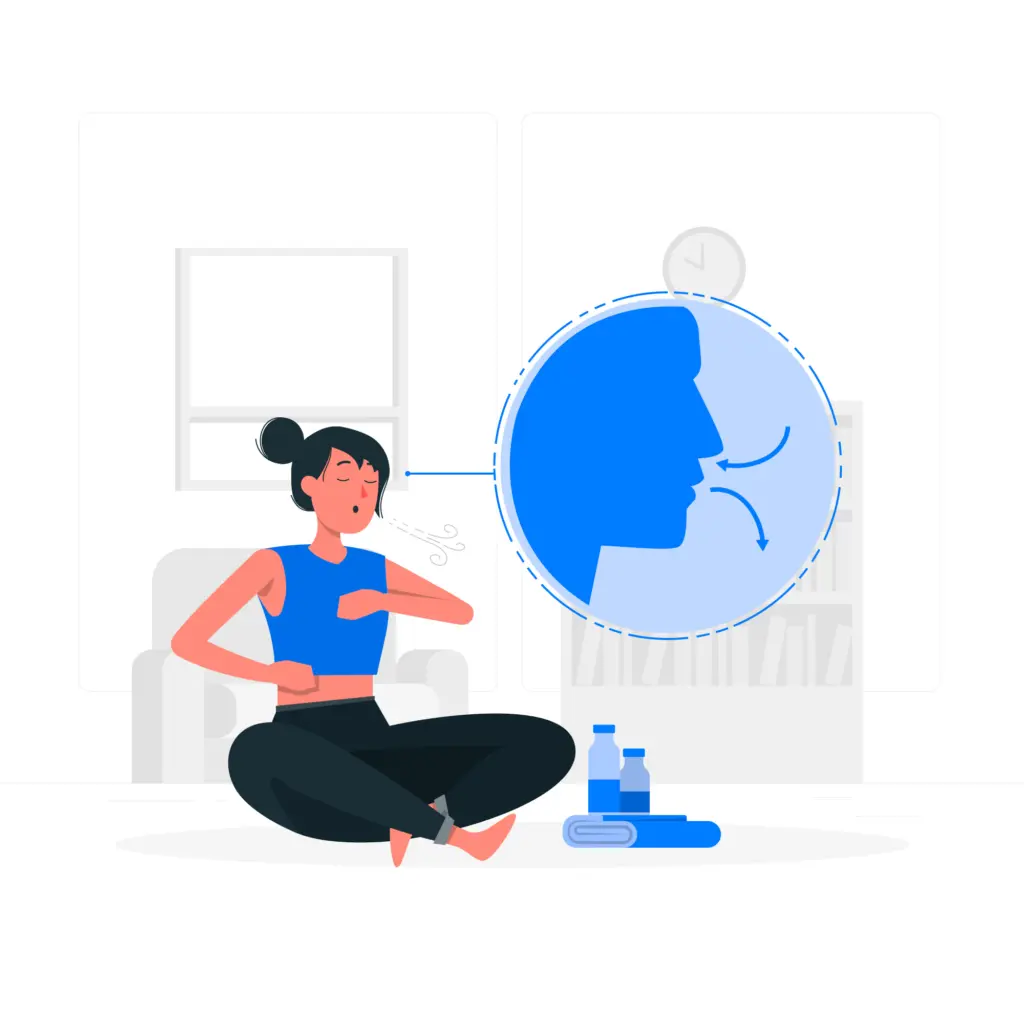
Techniques such as pursed-lip breathing or diaphragmatic breathing can help improve lung efficiency and oxygen intake, which can ease the severity of fatigue and support energy recovery. A Systematic Reviews meta-analysis titled “Breathing exercises for patients with early-stage lung cancer: a meta-analysis” calculated that breathing exercises can reduce the risk of postoperative pneumonia by up to 71%, and significantly improved lung function in lung cancer patients; especially when they’re done for at least 15 minutes per session, more than 4 times daily, for 1 to 2 weeks. - Explore complementary practices
Gentle yoga, massage therapy, and homeopathy may serve as adjunctive tools. Though research is ongoing, homeopathic remedies like Encer have been explored for their potential in reducing cancer-related fatigue without adverse interactions. - Establish a fatigue journal
Monitoring your fatigue levels before and during treatment can help you and your care team identify patterns, triggers, and solutions over time.
How Best to Rest Immediately After a Treatment Session
Post-treatment fatigue isn’t just tiredness—it’s often a systemic collapse of energy that requires more than a nap.
- Respect the need to rest
Give yourself permission to be still. Many patients feel guilty or frustrated by their inactivity, but pushing through only depletes your energy stores faster. - Create a rest-optimized environment
Invest in blackout curtains, noise machines, or cooling sheets. Disrupted sleep is common during treatment, but creating a restful space can make a world of difference. - Practice “strategic resting”
Rather than sleeping all day and risking nighttime insomnia, schedule short rest periods throughout the day. - Ask for help
Post-treatment is not the time to overexert yourself to keep up appearnces. Let loved ones, caregivers, or support volunteers assist with chores, meals, or transportation.
Coping with Lung Cancer Fatigue During Treatment
Lung cancer fatigue is a multifactorial condition. It stems from physical changes (like anemia or inflammation), emotional strain (like depression or fear), and even the immune system being constantly on high alert. Coping strategies to counter it would be best served by incorporating both straightforwardly medical tools and certain holistic practices as seen here.
1. Nutritional Support for Energy Recovery
Cancer treatment often interferes with appetite and digestion. Yet the body requires immense energy to recover. Try:
- Small, frequent meals rich in protein, healthy fats, and complex carbs.
- Nutrient-dense options like smoothies, bone broth, and leafy greens.
- Anti-inflammatory foods such as turmeric, berries, and omega-3s.
- Homeopathic supplements (under medical supervision) that target fatigue symptoms, such as Gelsemium, Phosphoricum Acidum, or Encer, may offer symptom relief for some patients.
2. Movement and Mild Exercise
Though it seems counterintuitive, light activity often improves energy levels:
- Walking, stretching, or gentle yoga can boost circulation and mood.
- Pulmonary rehab programs teach exercises that specifically support lung recovery.
- Always consult your care team to set safe boundaries for physical exertion.
3. Cognitive and Emotional Health
Mental fatigue is just as real as physical exhaustion. Combat it with:
- Cognitive Pacing: Schedule demanding tasks earlier in the day.
- Support groups or Therapy: To have help in coping with anxiety and depression that can amplify fatigue.
- Mindfulness Practices: Like meditation. Such practices have been shown to lower stress and improve perception of energy.
4. Medical Interventions
Ask your oncologist about medical causes and treatments for fatigue if one of the following scenarios present themselves:
- Medication and certain transfusions for the low blood cell count caused by anemia, which is a common cancer treatment side effect.
- Thyroid function can be affected by immunotherapy and may require hormone replacement.
- Prescription stimulants may occasionally be used to treat severe cases of CTRF.
Life After Treatment: The Survivor’s Fatigue
Surviving lung cancer is a major victory—but the fatigue often doesn’t end when treatment does.
Long-Term Causes of Fatigue
- Pulmonary fibrosis: From radiation therapy, which leads to stiff, inefficient lungs.
- Peripheral neuropathy: From chemotherapy, which causes pain that interferes with sleep and mobility.
- Chemo brain, or cognitive fog: which drains mental energy over time.
- Psychological stress: Including PTSD or fear of recurrence—continues to sap emotional reserves.

Recovery Tips for Survivors
- Enroll in a rehabilitation program that includes breathing exercises and endurance training.
- Meet with a nutritionist familiar with post-cancer recovery.
- Explore integrative medicine options—acupuncture, massage, or homeopathy—that promote full-body healing.
- Commit to mental health care: therapy, support groups, or spiritual counseling.
According to the previously cited Journal of the National Comprehensive Cancer Network’s Survivorship in Non–Small Cell Lung Cancer: Challenges Faced and Steps Forward, nearly 40% of lung cancer survivors report long-term physical symptoms, and over 30% continue to face emotional challenges such as depression or fear of recurrence.
Regaining Your Strength
Lung cancer fatigue can be a profoundly obstructive physical and psychological burden that can affect every part of your life. Whether you are just starting treatment, in the middle of chemotherapy cycles, or navigating survivorship, it’s important to treat fatigue as the serious condition it is.
Recovery is possible, but it requires a multi-pronged approach: proper rest, nutrition, exercise, emotional care, and in many cases, integrative therapies like homeopathy to complement conventional medicine. While lung cancer treatment often takes your breath away—sometimes literally—with the right tools and support, you can work toward regaining not just your energy, but your hope and vitality too.
FAQ: Coping with Fatigue During Lung Cancer Treatment
Q: What makes lung cancer fatigue different from regular tiredness?
A: Lung cancer fatigue is a profound, persistent exhaustion that doesn’t improve with rest, caused by the cancer itself, treatments like chemotherapy, and emotional stress. Unlike regular tiredness, it’s a multifactorial condition that can significantly disrupt daily life, requiring targeted strategies to manage effectively.
Q: Why is breathing such a critical concern for lung cancer patients?
A: Breathing is central because lung cancer directly affects the lungs, with tumors, fluid buildup, or inflammation obstructing airways. Treatments like radiation can cause pneumonitis, further complicating respiration, but pulmonary rehabilitation and breathing exercises can help many patients regain sufficient lung function.
Q: How can I physically prepare for lung cancer treatment to better handle fatigue?
A: Pulmonary rehabilitation significantly improves physical function and reduces fatigue, helping patients tolerate treatment better. Incorporate breathing exercises like pursed-lip breathing, maintain nutrition with protein-rich meals, and consider complementary practices like yoga to build resilience.
Q: What’s the best way to rest after a lung cancer treatment session?
A: Respect your need to rest by creating a rest-optimized environment with blackout curtains and noise machines, practicing strategic resting with short daytime naps to avoid insomnia, and asking loved ones for help with chores to conserve energy.
Q: What holistic strategies can help manage lung cancer fatigue during treatment?
A: Address fatigue holistically with small, nutrient-dense meals, light exercise like walking or yoga, mindfulness practices to reduce mental stress, and medical interventions for issues like anemia, ensuring a comprehensive approach to energy recovery.
Q: How can lung cancer survivors cope with ongoing fatigue after treatment?
A: Survivors can manage persistent fatigue by enrolling in rehabilitation programs with endurance training, consulting a nutritionist, exploring integrative therapies like acupuncture, and seeking mental health support to address emotional challenges, as nearly 40% report long-term physical symptoms and over 30% face depression or fear of recurrence.
Q: What’s the key to regaining strength after lung cancer treatment?
A: Recovery requires a multi-pronged approach combining rest, nutrition, exercise, emotional care, and integrative therapies like homeopathy, enabling patients to reclaim not just energy but also hope and vitality despite the profound burden of lung cancer fatigue.