
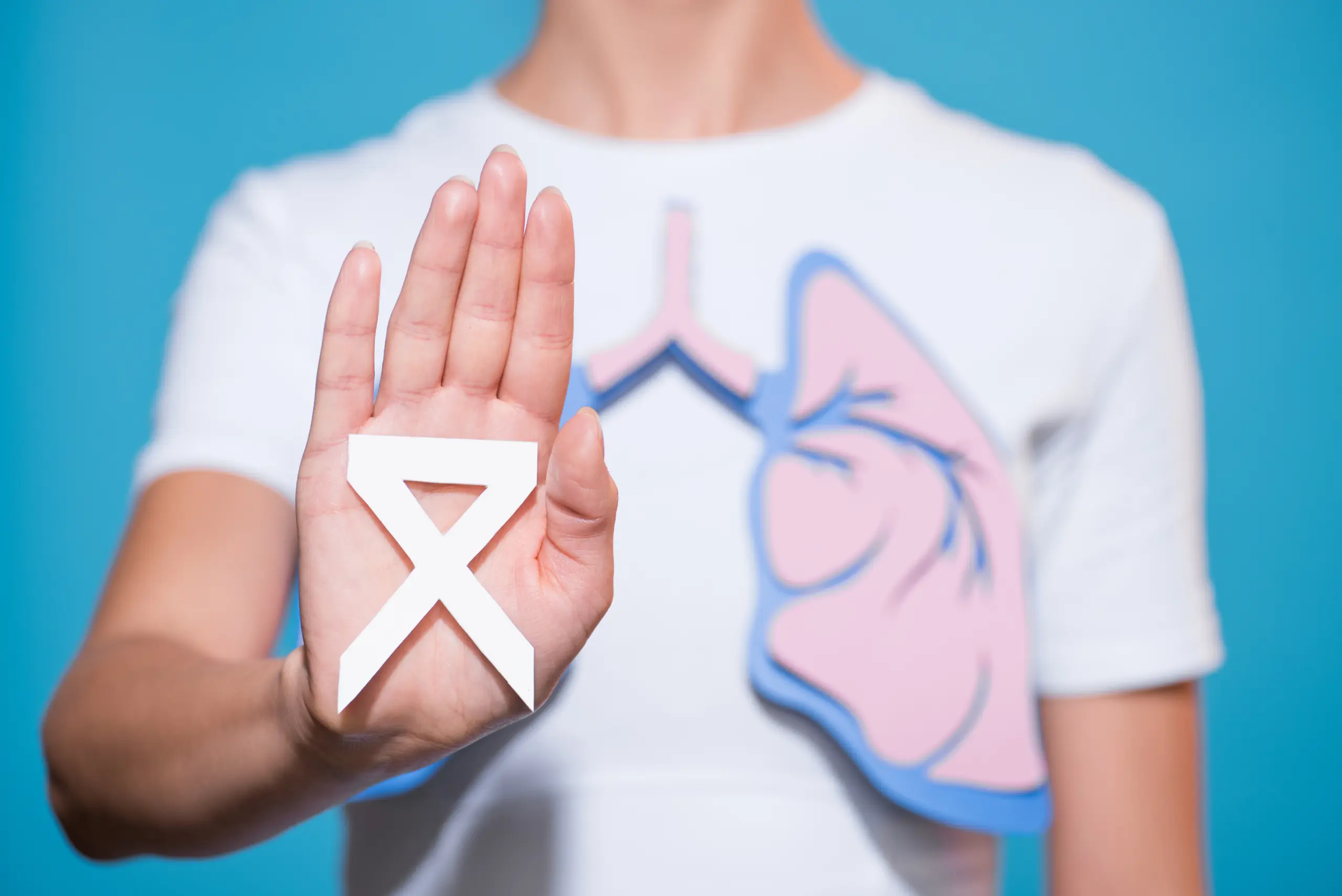

Lung cancer remains one of the most serious and challenging diagnoses a patient can face. With its ability to go undetected until late stages and its association with aggressive growth, lung cancer contributes to nearly one in five cancer deaths worldwide. As outlined in our previous article Lung Cancer Types, Symptoms, and Treatment, the disease comes in two main categories: the slower-spreading, more common non-small cell lung cancer (NSCLC) and the much faster and more aggressive small cell lung cancer (SCLC).
Lung cancer symptoms for both types can range from persistent coughing and chest pain to more subtle indicators like hoarseness, fatigue, and shortness of breath. Such seemingly typical if inconvenient ailments can cause lung cancer to be mistaken for less malignant afflictions. What’s often more grueling than the symptoms themselves, however, are the side effects of the treatments used to combat this disease.
Chemotherapy, radiation, targeted therapies, immunotherapy, and surgery each carry powerful therapeutic potential. There are situations where some of these oncological procedures are preferred over others for maximum effectiveness. However, they all inflict great physical and psychological tolls.
Chemotherapy
Why It’s Used: Chemotherapy is a frontline lung cancer treatment for both NSCLC and SCLC. This procedure is usually pursued when the cancer has spread a great deal, or if the associated tumor cannot be surgically removed. It may also be used post-surgery to destroy remaining cancer cells.
How It Works: Chemotherapy drugs circulate through the bloodstream to attack rapidly dividing cells, including cancer cells. Common drug combinations include cisplatin, carboplatin, paclitaxel, and etoposide.
Lung Cancer Treatment Side Effects:
- Nausea and vomiting
- Hair loss
- Immune suppression and infection risk
- Fatigue
- Neuropathy (nerve pain and tingling)
- Mouth sores and appetite loss
“Burden of chemotherapy-induced myelosuppression among patients with extensive-stage small cell lung cancer”, a study published in Cancer Medicine noted that fatigue, immunosuppression, and gastrointestinal issues were the most common dose-limiting factors in lung cancer chemotherapy.
Radiation Therapy
Why It’s Used: Radiation is frequently used for localized lung cancer that cannot be surgically removed or to shrink tumors before or after surgery. It’s also a palliative option for easing symptoms like bone pain or airway obstruction.
How It Works: High-energy beams (such as X-rays or protons) target cancerous tissue, destroying or damaging DNA within cells.
Lung Cancer Treatment Side Effects:
- Esophagitis (painful swallowing)
- Fatigue
- Skin irritation or burns
- Cough and shortness of breath (radiation pneumonitis)
- Changes in taste
Radiation pneumonitis is of severe import due to how it can impact a patient’s breathing. Though severity varies based on dosage and the amount of lung exposed, 15-25% of patients who receive radiotherapy wind up having to deal with this chronic coughing and shortness of breath.

Targeted Therapy
Why It’s Used: Targeted therapies are used for patients with specific genetic mutations such as EGFR, ALK, or ROS1 warping. These treatments are more selective than chemotherapy and often used in advanced or metastatic non-small cell lung cancer.
How It Works: Targeted therapy drugs interfere with molecular pathways that cancer cells rely on. Examples include osimertinib (EGFR inhibitor), crizotinib (ALK inhibitor), and entrectinib (ROS1/NTRK inhibitor).
Lung Cancer Treatment Side Effects:
- Diarrhea
- Rash and skin dryness
- Liver enzyme abnormalities
- Visual disturbances
- Fatigue
Immunotherapy
Why It’s Used: Immunotherapy is increasingly used for advanced NSCLC and sometimes SCLC. This lung cancer treatment is chiefly used in tumors that use PD-L1 to stop the immune system’s T cells from attacking cancer cells. It may be implemented alone or in combination with chemotherapy.
How It Works: Drugs such as pembrolizumab and nivolumab boost the immune system’s ability to recognize and destroy cancer cells by blocking inhibitory receptors like PD-1 or PD-L1.
Lung Cancer Treatment Side Effects:
- Fatigue
- Skin rashes and itching
- Diarrhea or colitis
- Lung inflammation (pneumonitis)
- Endocrine issues (thyroid or adrenal dysfunction)
Adding a counterproductive edge to immunotherapy was how the Cancer J’s “Toxicities associated with PD-1/PD-L1 blockade” study found that inflammation-caused pneumonitis occurs in 3–5% of patients receiving PD-1 inhibitors and is often serious enough to require treatment suspension.
Surgical Resection
Why It’s Used: Surgery is often the best option for early-stage non-small cell lung cancer, allowing for complete removal of the tumor before it spreads.
How It Works: Depending on tumor size and location, procedures may involve lobectomy (removal of a lung lobe), pneumonectomy (removal of the entire lung), or wedge resection.
Lung Cancer Treatment Side Effects:
- Pain and scarring
- Shortness of breath
- Risk of infection or pneumonia
- Reduced lung function
- Fatigue
Recovery varies, but many patients report long-term changes in lung capacity and stamina. Physical rehabilitation and breathing exercises are often prescribed.
Common Side Effects Across Lung Cancer Treatments
Regardless of the type of therapy used, certain side effects appear across nearly all forms of lung cancer treatment. These include:
- Persistent fatigue
- Loss of appetite
- Sleep disturbances
- Weight changes
- Emotional distress and anxiety
Notably, cancer treatment-related fatigue (CTRF) is cited as one of the most disabling side effects. Patients experience what the American Cancer Society terms a “bone-deep exhaustion” that rest does not alleviate. The cumulative toll of multiple treatments – chemotherapy followed by radiation, for instance – can exacerbate this condition and impact the patient’s ability to return to normal life.
Long-term Health Impacts of Lung Cancer Treatments
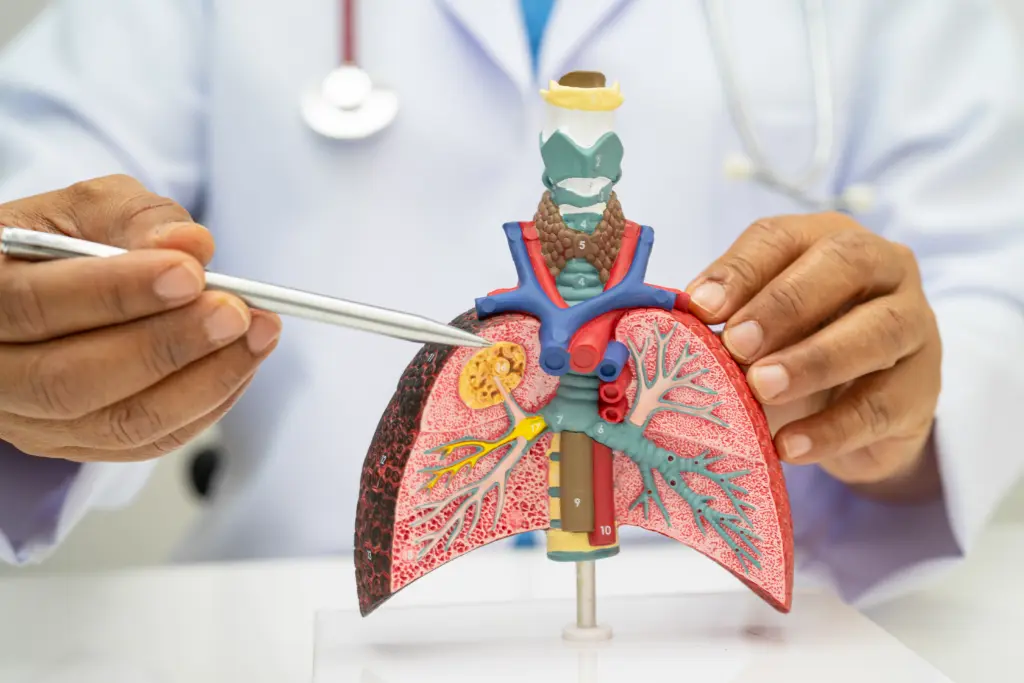
Surviving lung cancer is a profound achievement, but it often comes at a cost. Long-term side effects may persist for years after treatment concludes. These include:
- Pulmonary fibrosis from radiation therapy, leading to permanent lung stiffness
- Peripheral neuropathy from chemotherapy, causing chronic pain or numbness
- Endocrine dysfunction from immunotherapy
- Cognitive issues and memory loss, often referred to as “chemo brain”
- Psychosocial impacts, such as depression, PTSD, or fear of recurrence
According to the Journal of the National Comprehensive Cancer Network’s “Survivorship in Non-Small Cell Lung Cancer: Challenges Faced and Steps Forward” report, approximately 40% of survivors continue to experience long-term physical symptoms, and more than 30% report ongoing psychological challenges such as anxiety, depression, or fear of recurrence.
Lung cancer remains a formidable disease, not only because of its biological aggression but also due to the burden of treatment side effects that accompany its management. Each approach—whether chemotherapy, radiation, targeted therapy, immunotherapy, or surgery—brings its own benefits and challenges. The physical and emotional consequences of these treatments often persist long after the cancer is gone, reminding us that survivorship requires its own form of care.
In the coming months, we’ll explore ways to manage these side effects, particularly CTRF, using both conventional and integrative strategies. Because every patient deserves not just survival, but the strength and support to reclaim their vitality.
FAQ: Lung Cancer Treatment Side Effects
Q: What are the most common side effects of chemotherapy for lung cancer, and why do they limit treatment?
A: Chemotherapy for lung cancer, using drugs like cisplatin or carboplatin, often causes nausea, vomiting, hair loss, fatigue, immune suppression, neuropathy (nerve pain), and mouth sores.
Q: How does radiation therapy for lung cancer affect daily life?
A: Radiation therapy, used to shrink tumors or ease symptoms like pain, can cause esophagitis (painful swallowing), fatigue, skin irritation, cough, shortness of breath, and changes in taste. These side effects can make eating, breathing, or even tasting food challenging, impacting your energy and comfort during treatment.
Q: What side effects should I expect from targeted therapies for lung cancer?
A: Targeted therapies, like osimertinib for EGFR mutations, are used for specific lung cancer types and can cause diarrhea, skin rashes, dry skin, liver issues, visual disturbances, and fatigue.
Q: Are there serious side effects to watch for with immunotherapy in lung cancer?
A: Immunotherapy drugs like pembrolizumab boost your immune system but can cause fatigue, skin rashes, diarrhea, lung inflammation (pneumonitis), and thyroid or adrenal issues.
Q: What challenges might I face after lung cancer surgery?
A: Surgery for early-stage lung cancer, like a lobectomy, can lead to pain, scarring, shortness of breath, infection risk, reduced lung function, and fatigue. Recovery often involves long-term changes in breathing or stamina, but physical rehab and breathing exercises can help you regain strength.
Q: What side effects are shared across all lung cancer treatments?
A: Across chemotherapy, radiation, targeted therapy, immunotherapy, and surgery, you’re likely to experience persistent fatigue, loss of appetite, sleep issues, weight changes, and emotional distress like anxiety.
Q: What long-term issues might lung cancer survivors face?
A: Survivors may deal with lasting effects like pulmonary fibrosis (lung stiffness from radiation), neuropathy (chronic pain from chemo), endocrine issues (from immunotherapy), “chemo brain” (memory issues), and emotional challenges like depression or fear of cancer returning.
Q: How can lung cancer survivors manage the lasting effects of treatment?
A: Lung cancer treatments save lives but leave physical and emotional scars, like fatigue, breathing issues, or anxiety. Post-treatment care, including nutrition counseling, pulmonary rehab, integrative medicine, or even homeopathic options like Encer, can reduce fatigue and cognitive issues, helping you reclaim your vitality and quality of life.