


If you’ve been following our recent articles, you already know quite a bit about lung cancer’s major side effects. We’ve explored how to prepare your body for treatment, how to manage symptoms like fatigue and immune suppression, and how natural approaches like breathing exercises, mindful nutrition, and homeopathy can support recovery. But even with the best preparation, side effects can creep in subtly.
Lung cancer treatment—whether it involves chemotherapy, radiation, immunotherapy, or targeted therapies—places enormous stress on the body. The earlier you recognize the warning signs, the better your chances of adjusting your care plan to manage symptoms before they escalate. Today, we’ll walk through seven early signs that your body is starting to feel the toll of treatment, along with tips for monitoring your health and improving patient care along the way.
1. Shortness of Breath Becomes More Noticeable
Shortness of breath is not just a symptom of lung cancer—it can also indicate that treatments are starting to impact lung function or cause inflammation. Radiation therapy, for instance, can lead to a condition known as radiation pneumonitis, which causes lung tissues to become inflamed. Similarly, certain forms of chemotherapy and immunotherapy may contribute to fluid buildup or scarring in the lungs.
Watch for signs such as:
- Needing to rest during simple tasks like climbing stairs or folding laundry
- Feeling winded after speaking for long periods
- Tightness or wheezing that wasn’t there before
Monitoring Tip: Keep a journal to track changes in your breathing. Pulmonary rehabilitation exercises or early steroid interventions may be recommended depending on the cause.
2. Persistent Fatigue That Rest Doesn’t Fix
Even if you didn’t feel much cancer-related fatigue (CRF) before your diagnosis, you are likely going to feel a great deal of cancer treatment-related fatigue (CTRF) after your recommended oncological procedure. This type of exhaustion may show up as early as the second or third treatment cycle and often gets worse over time without proactive symptom management.
Be vigilant of:
- Waking up feeling just as tired as when you went to bed
- Struggling to focus or make decisions
- Losing interest in hobbies or conversations due to low energy
CTRF often stems from multiple sources: inflammation, nutritional deficiencies, low red blood cell count (anemia), or immune system stress. “The effect of enhancing quality of life in patients intervention for advanced lung cancer” clinical trial protocol featured in Baltimore’s Medicine journal emphasizes that nonpharmacological interventions, such as maintaining activity vitality and rhythm, can reduce fatigue and improve quality of life in advanced lung cancer patients. Thus, there is considerable value in structured approaches for managing cancer treatment-related fatigue.
Patient Care Tip: Talk to your care team about nutritional support, low-intensity exercise routines, or supplements, which some patients use to help support natural energy production and mental clarity.
3. Subtle Changes in Chest Pain or Pressure
While chest pain is often associated with the lung tumor itself, it’s also critical to monitor how this symptom evolves during treatment. Pain may stem from tumor shrinkage causing inflammation, radiation-induced esophagitis. This discomfort may manifest as referred nerve pain—where pain is felt in one area, but its source lies elsewhere.
Post-thoracotomy pain syndrome (PTPS), affecting 5–65% of patients, often results from intercostal nerve injury due to rib retraction during surgery. In “New Emerging Modalities to Treat Post-Thoracotomy Pain Syndrome: A Review”, the Missouri Medicine journal observed that this could lead to persistent burning or aching chest pain. Techniques like intercostal nerve blocks with liposomal bupivacaine can offer significant acute pain relief, potentially reducing chronic pain development.
Worrying indicators include:
- Dull pressure that becomes sharper over time
- Discomfort during swallowing
- Pain that worsens when lying down or breathing deeply
Because lung cancer treatments directly impact the thoracic (the area between the neck and abdomen) region, chest sensations should never be ignored.
Monitoring Tip: Describe your pain in detail when talking to providers—location, intensity, duration, and whether it changes with position or movement. This information can help fine-tune your care plan or prevent complications like pleural effusion.
4. A Weakening Immune System

This is somewhat harder to notice than three previous signs. Immune suppression is one of the most common and dangerous effects of chemotherapy and immunotherapy. These treatments are designed to alter or suppress cellular activity, which can compromise your ability to fight infections.
Look out for:
- Recurrent sore throats or low-grade fevers
- Frequent cold symptoms
- Slower wound healing
- Mouth sores or gum irritation
Infections can escalate quickly during treatment, and even minor issues like gum inflammation can become serious if left untreated.
Patient Care Strategy: Talk to your doctor about white blood cell monitoring. Ask about immune-boosting foods (like garlic, ginger, and green tea), hand hygiene protocols, and whether integrative remedies or supplements could support immune resilience.
5. Digestive Discomfort and Appetite Changes
It’s easy to assume that nausea or appetite loss is “just part of chemo,” but that doesn’t mean it should go unaddressed. Digestive changes are often an early indicator that the gut microbiome, mucosal lining, or metabolic processing are being affected by treatment.
Early signs can consist of:
- A lack of hunger for more than a day or two
- Metallic or off tastes in food
- Mild nausea that grows more frequent
- Changes in stool consistency
Symptom Management Tip: Keep snacks and hydrating foods like smoothies or bone broth on hand. If the issue persists, anti-nausea meds, probiotics, or herbal teas (such as ginger or peppermint) may help. Early intervention can prevent long-term malnutrition.
6. Cognitive Fog or “Chemo Brain”
You might notice it first during a conversation: you forget a word, or lose track of what you were saying. Over time, this state of “chemo brain” can make reading, planning, or multitasking feel overwhelming. It may be one of the more frustrating early symptoms, especially for those who were highly active or intellectually engaged before treatment.
- Short-term memory lapses
- Difficulty concentrating or making decisions
- Mental fatigue after basic tasks
This is often caused by a combination of inflammation, fatigue, sleep disturbances, and the direct effects of chemotherapy on brain chemistry.
Monitoring Tip: Track when and how often these symptoms occur. Brain-supportive interventions like mindfulness meditation, cognitive pacing, and even some homeopathic support (like Phosphoricum Acidum) may aid clarity.
7. Mood Changes and Emotional Distress
The emotional burden of lung cancer is immense, and treatment can exacerbate symptoms of depression, anxiety, and even post-traumatic stress. Hormonal changes, fatigue, and physical discomfort often play a role, making this a mind-body issue, not just a mental health one.
Warning signs to be wary of:
- Feeling emotionally numb or disconnected
- Crying unexpectedly or feeling hopeless
- Avoiding people or routines you once enjoyed
- Increased irritability or fear
Patient Care Recommendation: Engage with a counselor, cancer support group, or therapist early in the treatment process. Tools like guided imagery, expressive writing, or energy-based practices (like acupuncture) have been shown to reduce emotional stress and support healing.
Why Early Monitoring Matters
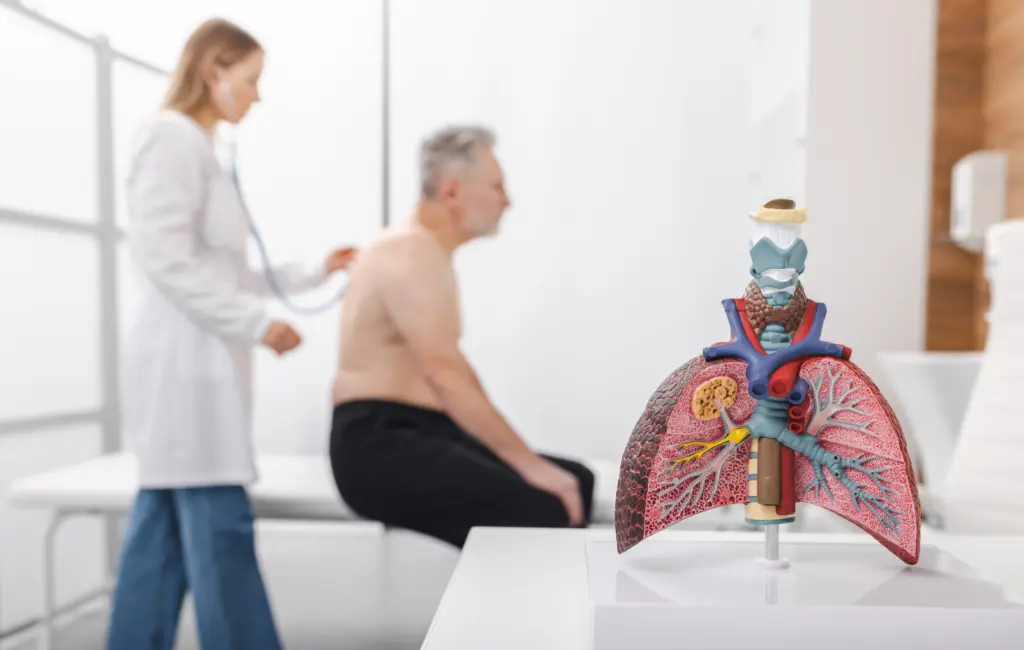
These early warning signs—while common—shouldn’t be brushed aside. The goal of patient-centered care is to tailor support systems around your evolving needs. This only works when symptoms are reported and addressed early.
Fatigue, immune suppression, shortness of breath, and chest pain aren’t just inconvenient side effects. They are signals that your body needs additional support. Research seen in studies like OncoTargets and therapy’s “Quality of life of patients with lung cancer” show that early assessment and management of symptoms like fatigue and shortness of breath in lung cancer patients can reduce symptom burden. The potential, resulting tailored interventions are capable of minimizing treatment interruptions, and subsequently improving a patient’s quality of life.
A proactive approach to symptom management can mean:
- Fewer interruptions to your treatment schedule
- Reduced risk of hospitalization or complications
- Better overall quality of life during and after cancer care
How to Track and Report These Signs
To help your care team provide the best support possible, try:
- Keeping a daily log of physical and emotional symptoms
- Bringing someone with you to appointments for a second perspective
- Asking specific questions: “Is this normal?”, “Should this be monitored more closely?”, “Are there natural remedies I can try?”
- Exploring integrative options like nutrition consults, pulmonary rehab, and homeopathic support to complement conventional care
Awareness is Your First Defense
Lung cancer treatment is undeniably hard on the body, but that doesn’t mean you have to endure every symptom in silence. By watching for early signs—like shortness of breath, persistent fatigue, chest discomfort, and immune suppression—you give yourself and your care team the chance to intervene sooner. With the right combination of clinical care, integrative support, and personal attention, you can reduce suffering and improve your outcome, one day at a time.
FAQ: 7 Early Signs Lung Cancer Treatment May Be Affecting You
Q: Is shortness of breath during lung cancer treatment normal?
A: It can be common but should never be ignored. It may indicate radiation pneumonitis, inflammation, or fluid buildup. Early management is key.
Q: What’s the difference between regular tiredness and cancer-related fatigue?
A: Cancer-related fatigue is persistent, often unrelieved by rest, and tied to multiple physiological disruptions. It’s one of the earliest and most impactful side effects.
Q: How can I manage immune suppression during treatment?
A: Monitor for infections, maintain hygiene, eat immune-supportive foods, and consider discussing homeopathic or integrative therapies with your care team.
Q: When should I be concerned about chest pain during treatment?
A: Any change in intensity, type, or location of chest pain should be discussed with your care team, especially if it affects breathing or sleep.Q: What helps with chemo brain or cognitive fog?
A: Cognitive pacing, mindfulness, and tools like Encer or other homeopathic remedies may help. Keep a journal to track symptoms.