


When you’re diagnosed with lung cancer, the medical system quickly kicks into gear. Scans, surgeries, biopsies, and treatment plans are discussed in rapid succession. And rightly so, as swift analysis can lead to more accurate, targeted treatment.
Oncologists usually focus their attention on tumor shrinkage, survival rates, and primary treatment success. And yet, what often gets left out of those high-stakes consultations are the other effects. The side effects that don’t always appear on prescription labels. The ones that show up after treatment begins, and sometimes linger long after it ends.
Most patients are told to expect fatigue, nausea, and hair loss. These are well-known and generally accepted as risks inherent to their respective oncological procedures. However, lung cancer therapy is far more layered than that. Below, we explore the lesser-discussed side effects of treatment such as neuropathy, cognitive changes, and mood swings. Balancing these challenges will be the listing of potential aids against lung cancer therapy discomforts and the power of complementary therapies, emotional support techniques, and patient education in helping people navigate what their oncologists might not fully prepare them for.
1. Neuropathy: The Lingering Nerve Damage You Didn’t Anticipate
Peripheral neuropathy is nerve damage that causes pain, tingling, or numbness. Although often associated with diabetes or back injuries, it isn’t exclusive to these conditions. It’s also a frequent side effect of chemotherapy drugs used in lung cancer treatment, particularly platinum-based agents like cisplatin and carboplatin.
For many patients, neuropathy can become a long-term plight, affecting mobility, dexterity, and sleep quality. It often starts in the hands or feet. As it progresses and lingers, patients describe it as “pins and needles,” “burning,” or “electric zaps” that disrupt daily life.
What doctors may not say: There’s no guaranteed way to reverse chemo-induced neuropathy. The Journal of Clinical Oncology’s “Prevention and Management of Chemotherapy-Induced Peripheral Neuropathy in Survivors of Adult Cancers: ASCO Guideline Update“ emphasized that while exercise, cryotherapy, and compression therapy may reduce the risk of developing neuropathy, no intervention fully prevents or reverses it. Early detection and pain management strategies are essential. This can include nerve-nourishing supplements, physical therapy, acupuncture, or topical creams.
Tip: If you feel any tingling or numbness that won’t subside in the midst of your treatments, report it immediately. Earlier intervention reduces long-term nerve damage.
2. Cognitive Changes: Chemo Brain is Real (and Not Just Temporary)
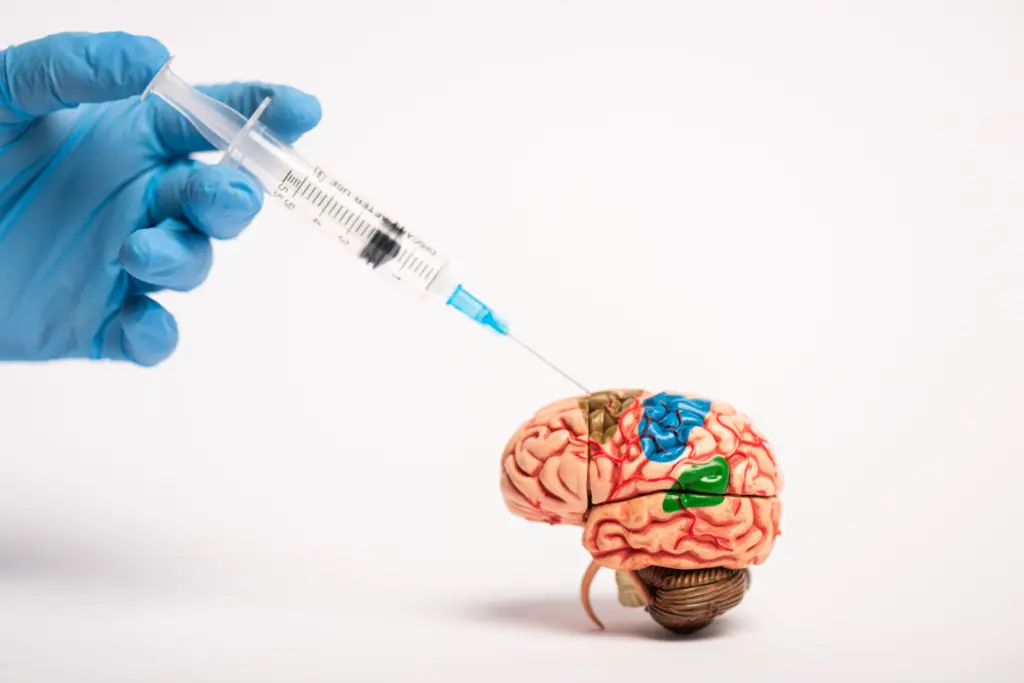
You may have seen the phrase “chemo brain” referenced in previous articles. That’s because the cognitive changes during and after lung cancer treatment that this condition causes can be profound. Patients report forgetfulness, slowed thinking, difficulty concentrating, and a strange sensation of mental “fogginess.”
This isn’t just from exhaustion. A 2025 Scientific Reports study on “Brain structural alterations and cognitive dysfunction in lung cancer patients without brain metastasis” found that lung cancer itself, even before chemotherapy, can cause structural brain changes and cognitive impairment. These impairments are further worsened by treatment-related inflammation and changes in brain chemistry. Even after treatment ends, some patients continue to experience issues with memory, organization, and word retrieval. Such a state can affect job performance, relationships, and self-esteem.
What doctors might often skip: The cognitive impact of treatment can last for months or years, and it’s not always reversible. Patients may feel dismissed when they mention it or assume it’s just them. But cognitive dysfunction is well-documented in oncology literature.
Tip: Use brain-training apps, keep a symptom journal, and consider complementary therapies like mindfulness meditation, which has been shown to improve attention and memory recall in cancer patients.
3. Mood Swings and Emotional Volatility
Everyone expects some emotional distress after a cancer diagnosis. What’s less frequently discussed is the emotional turbulence that may be chemically and neurologically driven by the treatment itself. Mental anguish of this type won’t abate in a day, and can disrupt a good deal of a person’s personal and professional social circles and responsibilities in a number of ways.
Fluctuating mood swings, irritability, tearfulness, and even episodes of unexplained rage can be triggered by medications such as corticosteroids, pain relievers, and immune therapies. Add to this the existential weight of a cancer diagnosis, and it’s a perfect storm. Through its analysis of how “Coping Strategy Influences Quality of Life in Patients With Advanced Lung Cancer by Mediating Mood”, scientists featured in the Clinical lung cancer journal assessed that coping strategies like positive reframing can significantly improve mood and quality of life in lung cancer patients with anxiety or depressive symptoms.
What doctors often underemphasize: These emotional shifts are normal in this context but deserve clinical attention through psychological support or targeted interventions.
Tip: Regular check-ins with a mental health provider can be as important as your oncology follow-ups. Support groups, psychiatric consultations, or even art or music therapy can provide much-needed emotional grounding.
4. The Reality of Chronic Pain that Lingers after Treatment
Lung cancer treatment often includes surgery, radiation, or a combination of those and other oncological procedures. Even when therapy is successful, many patients are left with chronic pain. This can be the result of surgical incisions, chest wall radiation, or long-term inflammation.
Pain isn’t always visible on scans or measurable with lab tests, making it easier to overlook in follow-up sessions. Nonetheless, such agony deeply affects a patient’s wellbeing. Everything from their ability to move around or even sleep can be negatively impacted.
What doctors may not fully explain: Chronic pain can persist for years, arguably becoming a serious medical condition in its own right. And while opioids may be prescribed initially, long-term solutions often require a multi-pronged approach.
Tip: Advocate for a referral to a pain management specialist. Physical therapy, massage, breathing techniques, nerve blocks, and integrative options like acupuncture or low-dose cannabinoids may all be viable tools.
5. Anxiety: The Emotional Weight of Survivorship
For many, the end of treatment marks the beginning of a different battle—coping with what comes next. Many survivors experience post-treatment anxiety, depression, or even PTSD. The fear of recurrence can haunt routine checkups, and physical limitations may persist long after therapy concludes.
This emotional load is compounded by the sudden decrease in medical attention after active treatment ends. Patients are expected and likely desire to return to normal, but they’re very much not the same as they were when they started their wellness journey.
What’s often unspoken: The emotional complexity of survivorship can be overwhelming. Patients need as much support after treatment as they do during it.
Tip: Ask for resources on emotional support post-treatment. Whether through peer networks, survivorship programs, or professional counseling, you don’t have to navigate it alone.
6. The Gap in Patient Education
During your first few oncology visits, you’ll likely be given thick booklets, treatment calendars, and a list of emergency symptoms. But for many patients, the practical patient education they receive is not enough. How do you manage side effects on weekends? What happens if your caregiver gets sick? What foods reduce inflammation? What does “watchful waiting” really mean?
What doctors could elaborate on: They may not have time to answer every question—and they might assume you’ll ask if it’s important. But patients often don’t know what they don’t know.
Tip: Keep a running list of questions between visits. Ask if your hospital has a nurse navigator, survivorship coordinator, or patient advocate to help fill in the blanks. Patient education should be continuous, not a one-time packet.
7. Complementary Therapies as Lifelines

In conventional oncology, complementary therapies are sometimes listed as quaint extras a patient can try: yoga classes, certain herbal teas, etc. Casual attitudes towards integrative processes should not discourage cancer thrivers and survivors from looking into them further though. Exploring as many avenues for recovery as possible can be a boon for lung cancer patients. Integrative options like acupuncture, homeopathic remedies such as Encer, massage therapy, and nutritional counseling could become vital to managing the full scope of treatment side effects.
From easing neuropathy and fatigue to supporting emotional resilience and digestion, these therapies often offer measurable benefits.
What isn’t always shared: Many hospitals now offer integrative oncology programs, but access varies. Insurance coverage involving practices and items from these fields can be similarly tricky.
Tip: Ask your team about referrals to reputable complementary therapy providers. Many cancer centers now embrace integrative care models because they improve quality of life and treatment adherence.
Complete Care Requires Complete Conversations
Lung cancer therapy isn’t just about targeting tumors, it’s about treating the whole person. That includes the nerves, the brain, the emotions, and the pain that may not be captured on imaging scans. Unfortunately, in the race to save lives, quality of life sometimes takes a back seat.
The side effects your doctor might not mention aren’t being hidden out of negligence—they’re often a function of time constraints, clinical focus, or assumptions that you’ll report any problems.
But now you know better. You are your own best advocate.
By paying attention to neuropathy, cognitive changes, mood swings, and chronic pain—and by asking about emotional support, complementary therapies, and deeper patient education—you’re taking a vital step in making your care comprehensive, not just clinical.
FAQ: What Doctors May Not Tell You About Lung Cancer Treatment Side Effects
Q: Why didn’t my doctor warn me about long-term neuropathy?
A: Neuropathy is often mentioned in passing, but its long-term impact is under-discussed. Early symptoms should be reported immediately to prevent progression.
Q: Is chemo brain real?
A: Yes, cognitive changes like forgetfulness and mental fog are well-documented. They can last for months or years and deserve treatment just like physical side effects.
Q: I feel emotionally volatile—is this normal?
A: Yes. Mood swings and emotional shifts may result from medication, stress, or neurological factors. Supportive counseling or therapy can help immensely.
Q: What are my options for managing chronic pain post-treatment?
A: Pain specialists can help with medications, physical therapy, acupuncture, or even non-opioid interventions tailored to your needs.
Q: Should I ask about complementary therapies?
A: Absolutely. Many therapies—like acupuncture and nutritional support—can enhance symptom management and improve quality of life.