
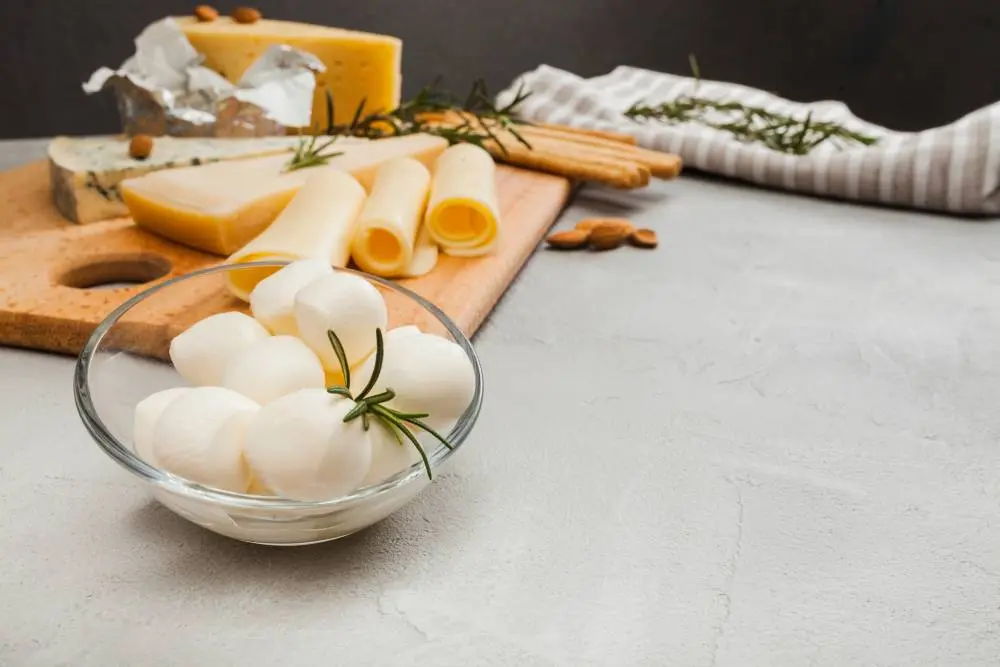

Our first Cuisine for Cancer Patients article started this series off rather seriously with a list of the sorts of foods that those undergoing chemotherapy, radiotherapy, and other oncological treatments should avoid. That overview of what cancer patients shouldn’t eat ranged from what one might expect such as greasy treats to surprising outliers like sprouts and grapefruit.
However, our goal is to make you aware, not alarmed. There are plenty of delicious dishes and scrumptious snacks you can enjoy along your road to recovery. After all, in the grand homeopathic tradition, Encer recommends as many positive lifestyle shifts in diet, exercise, and mindfulness as one is capable of. The more wellness you accrue alongside this cancer treatment related fatigue remedy, the likelier and more comfortable the recovery of your health and energies will be.
The core criteria for these foods is as follows:
- Doesn’t introduce any harmful substances into the body like carcinogens or excess bacteria.
- Avoids provoking stressful bodily processes like digestive issues, inflammation, and dehydration.
- Has no compromising interactions with conventional cancer medications or treatments.
Your body needs all the energy it can muster to set itself back in order from your cancer treatments. When it’s healthy again, you’ll be able to afford the occasional dietary indulgence. Until then, let’s explore the tasty, and plentiful options available to you today. Just be sure to check with your doctor and dietician if you have any concerns with food intolerances or allergies.
This week, we’re focusing on the sorts of cheeses that can be safely eaten by cancer patients. As a rule of thumb, pasteurized cheeses are good options. You should always make sure to study the packaging and nutritional notes of any dairy product to make sure it’s pasteurized; unpasteurized dairy products can carry infectious bacteria capable of putting a body through undue strain. For this reason, mold-ripened cheeses should be similarly avoided.
It might seem easier to just cut out cheese entirely from one’s diet when they’re undergoing oncological treatments. However, there are a number of benefits to keeping it around. Of course, they’re great sources of calcium, but they also provide Vitamin D and high-quality protein as well; ensuring bone and muscle maintenance aid in every block and slice. As cheese is typically easy to eat, it can get crucial calories to cancer patients quickly and tastily, even if they may feel too fatigued to chew too much.
Low Sodium Soft Cheeses: These cheeses are tender, and tend to be used to prepare more elaborate dishes. They are also easy to digest, ensuring less strain and more energy for cancer patients who eat them.
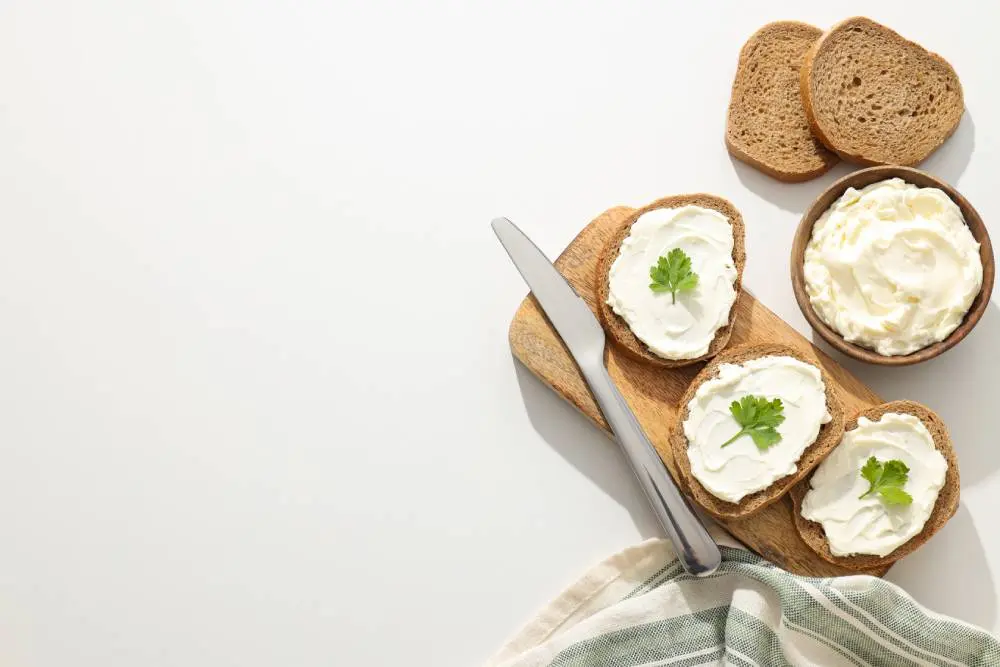
- Cottage Cheese: Versatile and creamy. Cottage cheese provides a protein-packed package by itself, and in various dishes like fruit bowls, avocado toast, and even mixed dips.
- Ricotta: A fluffily familiar and light cheese. Delicate in texture but potent in how it can enhance certain pancake mixes, stuffed vegetables, and honey spreads.
- Cream Cheese: Simple and smooth, cream cheese can elegantly find a home in vegetable sandwiches and whole-grain tortilla wraps with your carefully selected meat of choice.
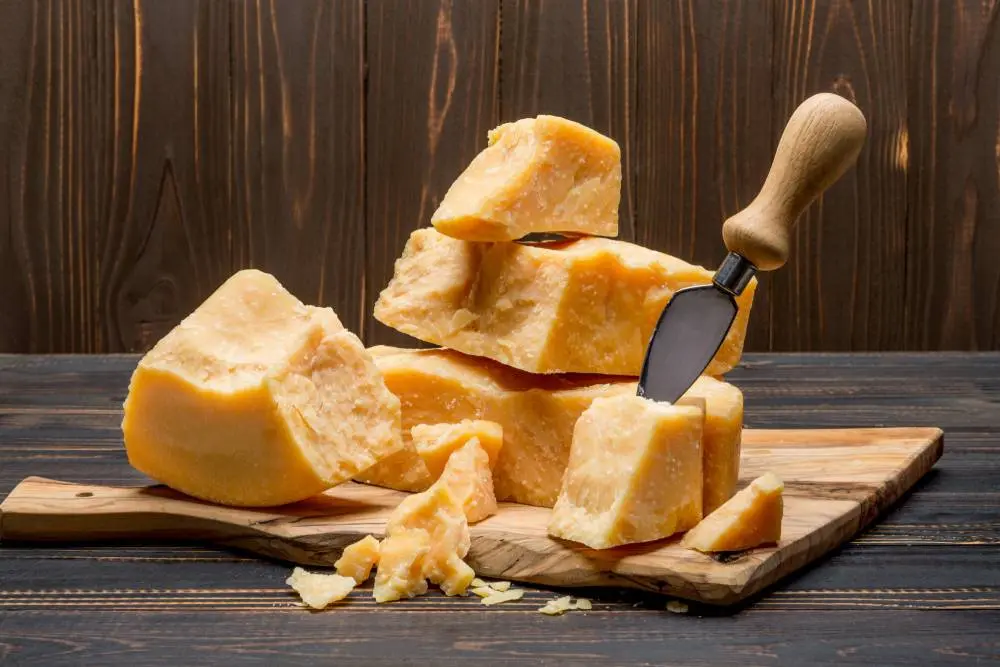
Certain Aged Cheeses: While we did warn against mold-aged cheeses in the first article, a number of aged cheeses remain safe due to the way they were prepared. It should be noted that these have higher salt contents than Low Sodium Soft Cheeses, so those that take them should do so in moderation. Taking too much salt can lead to higher blood pressure, and swelling conditions like edema.
- Cheddar: A sharp and savory standard of excellence that can complement fruits and vegetables alike. Melting even just a few pinches of it onto your baked potatoes or weaving a couple of slices into omelets can produce big flavor.
- Gouda: Sensibly nutty and tender, it can go in many of the same dishes that cheddar can, but we find that gouda forms a fascinating team with fig slices on a whole-grain cracker.
- Parmesan: Besides pastas, which cancer patients can still eat, parmesan can also be tossed into salads, and draped over roasted vegetables.
Low Fat Cheeses: Low fat cheeses are just as versatile as their peers in how they can be prepared while also providing calories and essential nutrients without excessive lipids. Partly skimmed variants of certain cheeses can also qualify for this category depending on their salt and fat contents.
- Mozzarella: Still marvelous when melted or as cool, juicy chunks. Try making some caprese skewers for a delicately complex and refreshing four-ingredient appetizer that just needs some tomatoes, basil leaves, and a dash of balsamic vinegar.
- Goat Cheese: A tangy creamy treat that goes well with salads, herb spreads, and even dates.
- Swiss Cheese: For those wanting a cheese that can be almost as stretchy and gooey as mozzarella when heated, Swiss Cheese is also high in Vitamin A.
But what about the things you can eat the cheese with? Next time, we’ll take a look at carbohydrates that cancer patients can eat. Breads, rice grains, and more.