
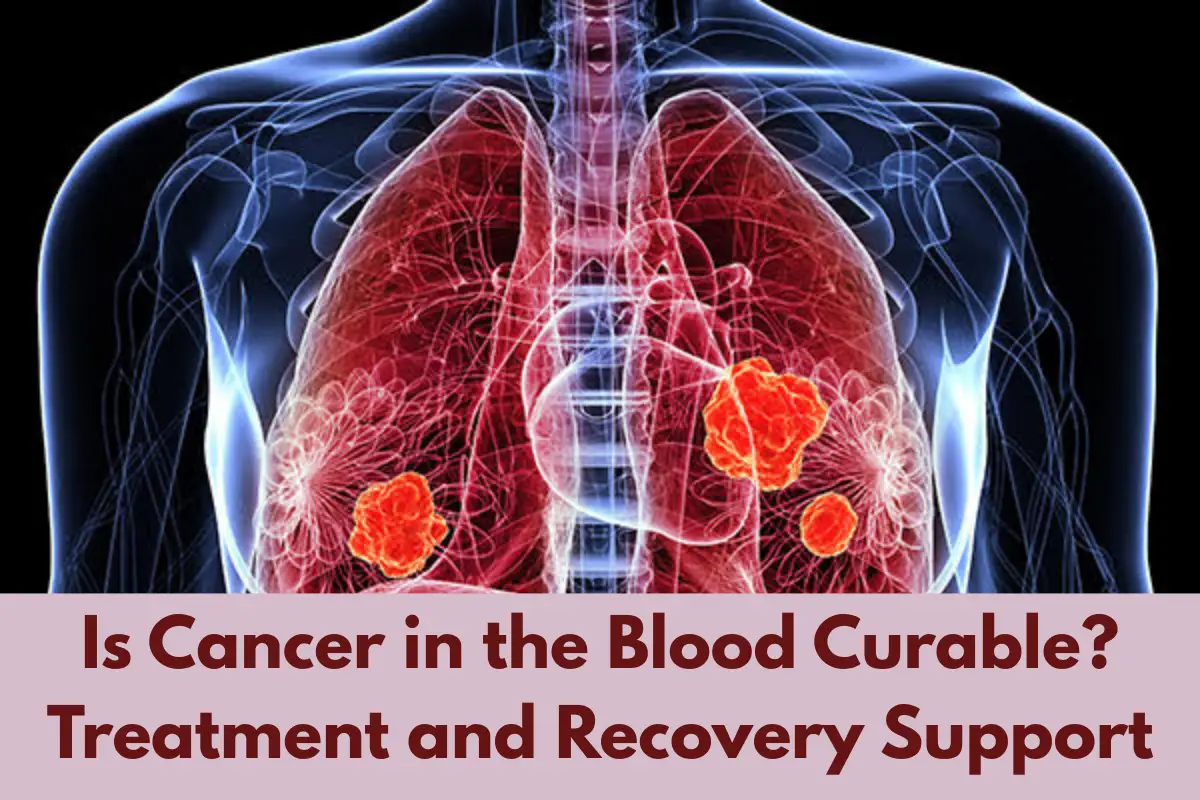

One of the foremost questions every patient struggles to get answers to when diagnosed with lung cancer is: Is lung cancer treatable? The response instills hope in many millions around the world. Feasibly, lung cancer can be treated, and the development of medical science has managed to provide significant results to patients. The current treatment sphere is wide, as it provides not only basic methods but also innovative therapies tailored to the peculiarities of cancers.
There is also a need to understand your treatment options so as to make informed decisions regarding your treatment. This guide will give a detailed explanation of the different treatment options, survival rates, and the significant actions to take once one becomes diagnosed.
Understanding Lung Cancer: Types and Stages
There are two types of lung cancer, which are primarily identified, the non-small cell lung cancer (NSCLC) and the small cell lung cancer (SCLC). About 85% of all the lung cancer cases are NSCLC, and the type is usually slower in its growth rate as compared to SCLC. The kind and the growth of your lung cancer can affect the treatment choice and the prediction considerably.
The staging of cancer constitutes the extent of the spread of cancer all over the body. Chronic cases of cancer in the lungs have been identified at varying stages (I, II, III, and IV). The urgent cases of cancer in the lungs are still confined to the lungs onl,y whereas stages III and IV show spread to the lymph nodes or other parts of the body far away.
How Does Stage Affect Treatment and Chances of Cure?
Lung cancer staging would be quite critical in not only deciding on treatment but also on prognosis. The stage has a direct effect on the treatability of lung cancer and the description of the most efficient methods.
Stage I (Early-Stage Localized Cancer): Lung cancer at this stage is confined in the membrane without the involvement of the lymph nodes. At this stage, cure rates are highest and the five-year survival rate is 80-90per cent with stage IA.
Stage II (Locally Advanced): Stage II is concerned with a bigger tumor or regional spread in the lymph nodes but within the chest region. With 5-year survival being 60-70% and in many cases, curable.
Stage III (Regional Spread): Stage III is the locally advanced disease, with a lot of involvement of the lymph nodes or having spread out into the surrounding structures/tissues. Although cure becomes increasingly difficult, long-term remission with 20-35 years survival is enjoyed by many patients.
Stage IV (Metastatic Disease): Stage IV lung cancer metastasized to other anatomical locations or other organs of the body. Although the treatment level at this stage is low, the disease is very treatable.
The treatment method fundamentally depends on the stage at diagnosis; early stages will target curative intent, whereas exposed stages will concentrate on disease and symptom control, concentrating on maintainingg lifestyle.
Primary Treatment Options for Lung Cancer
Surgery: The Gold Standard for Early-Stage Disease
When there is no lung cancer spread outside of the lungs, surgical removal is the most productive form of treatment for lung cancer. Several types of surgical treatment can be performed, depending on the removal of a portion of the lung or an entire lung.
The short-term benefit to patients is faster recovery time and fewer complications compared to the traditional open surgery, using minimally invasive procedures such as video-assisted thoracoscopic surgery (VATS) and the use of robots in performing these surgeries. Such methods are especially useful in treating older patients or patients with other health issues.
Radiation Therapy: Precision Treatment with Advanced Technology
Radiation therapy involves the application of high-energy beams to kill the cancer cells without much destruction of the healthy bones and tissues around. The most commonly used is known as external beam radiation therapy (EBRT), and this is administered using high-tech machines that can pinpoint tumors.
The SBRT is one such breakthrough, which provides very limited doses of radiation over a reduced number of sessions. The technique is particularly useful in treating lung cancer at its early stages in a patient who is too old to receive surgery or suffers from medical complications. People mostly get confused between radiation and chemotherapy: Which is more effective for lung cancer? It mainly depends on the stage and medications you are going through.
Chemotherapy: Systemic Treatment for Advanced Disease
Chemotherapy is still a cornerstone treatment in the advanced stage of lung cancer when the cancer has spread past the lungs. These heavy medications move around the body, destroying any cancer cells wherever they are found.
In modern chemotherapy, several drugs are combined in the hope that these enhance cancer treatment while limiting their side effects. The more frequently used groups are platinum-based drugs (cisplatin or carboplatin), combined with other agents.
Targeted Therapy: Precision Medicine Revolution
Targeted therapy is a paradigm shift in the treatment of lung cancer based on specific genetic mutations or proteins that drive the growth of cancer. Contrary to such treatment as chemotherapy, where all fast-growing cells are targeted, specific drugs only kill cancer cells possessing particular traits.
Immunotherapy: Harnessing the Body’s Natural Defenses
One of the most promising advances in the treatment of lung cancer has been immunotherapy. The immune system is assisted by these medications to identify and destroy cancer cells in the body.
Immunotherapy Combinations of using immunotherapy with chemotherapy, or combinations of immunotherapy agents, are demonstrating even more promise and resulting in response rates and longer rates of survival.
New & Notable Advances
The lung cancer treatment landscape is rapidly evolving, even as more hope is provided to patients and families with the big question: Is lung cancer treatable? The situation has changed a great deal with the recent breakthroughs.
- Liquid Biopsies and Precision Medicine
- Next-Generation Immunotherapy
- Advanced Surgical Techniques
- Personalized Radiation Therapy
- Novel Drug Combinations
- Biomarker-Guided Treatment
Survival Rates and Prognosis Factors
The survival rates of lung cancer have increased tremendously in the last decade. The five-year relative survival rate of early-stage (or localized) lung cancer is around 60%, with regional spread lowers to around 35%.
Several factors influence prognosis:
- Stage at diagnosis: Earlier detection significantly improves outcomes
- Cancer type: NSCLC generally has better outcomes than SCLC
- Overall health: Better physical condition allows for more aggressive treatment
- Age: Younger patients typically tolerate treatment better
- Genetic markers: Specific mutations may predict a better response to targeted therapies
It is important to remember that statistics are averages, which may not always be reflected in the specific outcomes of individual case,s as they could depend greatly on personal conditions and reactions to treatment.
Managing Treatment Side Effects
Various side effects may be related to cancer treatments and have an effect on the quality of life. The typical symptoms and problems are fatigue, nausea, loss of hair, lack of appetite, and the risk of infection since the immunity is lowered.
Cancer treatment-related fatigue (CTRF) is experienced by many patients and is not the same as ordinary tiredness because they do not get better as a person rests. This continuous fatigue may be a major setback to usual activities and tolerance of therapy.
Next Steps After Diagnosis
Finding out that you have lung cancer can be an intimidating experience, yet with some organized steps you may easily get back on track:
- many options of treatment available to you.
- Build your healthcare team: Oncologists, surgeons, radiologists, and support staff should be included
- Understand your insurance coverage: Make sure you get to know what type of treatment and drugs are included in the insurance.
- Create a support network: Family, friends, and support groups provide emotional strength
- Maintain open communication: Keep detailed records and always keep in touch with your medical team
Screening and Early Detection
Screenings at an early stage greatly enhance the treatability and survival of lung cancer. The earlier lung cancer is detected, the more treatment opportunities available and the better the hope of being treated.
Low-dose computed tomography (LDCT) screening is the most important step forward in early detection of lung cancer.
Who Should Be Screened? The screening guidelines are annual LDCT done in adults (who meet the criteria)
- Ages 50-80 years old
- 20 pack-year smoking history (packs per day × years smoked)
- Current smokers or quit within the past 15 years
- No history of lung cancer
- Healthy enough to undergo curative treatment if cancer is found
The Role of Clinical Trials
Clinical trials denote access to the latest treatment that is not widely available. These trials evaluate the use of new drugs, a combination of drugs, or new methods of treatment that may be better than the currently established treatments.
Taking part in clinical trials may increase hope when there are no other options for standard treatment. Most of the achievements today in treating lung cancer came as a result of the participation of courageous patients in clinical trials, which brought hope to the rest of us.
Living with Lung Cancer: Long-Term Considerations
Treatment of lung cancer has become more and more focused on turning the disease into a manageable chronic illness, enabling the patients to lead a regular life, and control their condition. This strategy will focus on:
- Maintaining physical fitness and nutrition
- Managing long-term treatment effects
- Addressing psychological and emotional needs
- Planning for the future while living in the present
When to See a Doctor
This is because medical attention may be necessary at the right time, which will aid in early diagnosis and treatment of lung cancer. Numerous symptoms may serve as indicators of different ailments, although persisting or threatening situations should not be ignored and should be evaluated urgently.
Persistent Respiratory Symptoms: Cough that does not improve after 2-3 weeks, particularly in cigarette smokers/ former smokers, should be taken to a doctor.
Systemic Warning Signs: Unexplained Weight loss is a serious warning sign or weight loss of 10 pounds or more without making any effort,s may reveal multiple serious conditions, such as lung cancer.
Pain and Physical Changes: Chest pain that is aggravated during deep breathing or coughing, or laughing must be looked into immediately.
High-Risk Individuals: Individuals with a history of heavy smoking are supposed to stay in regular health care associations and discuss the possibilities of lung cancer screening.
Don’t Delay Medical Care: Early diagnosis and treatment of lung cancer at its early stages can show few or even no symptoms, and this is the reason why screening becomes very crucial to people at risk.
Conclusion
Then, can lung cancer be treated? Absolutely. The patients of lung cancer today are getting exposure to a wider range of treatment options today than ever before, with traditional forms of treatment in lung cancer. Challenging side effects such as treatment fatigue, can be supported with the use of other factors, such as Encer balance, in addition to the usual treatment.
The trick of effective treatment is its early diagnosis, cooperation with a team of experienced medical workers, and education on options. Keep in mind that treatment is very personalized; what is most effective for one patient does not necessarily apply to another due to a variety of reasons.
Frequently Asked Questions
1. What factors determine if lung cancer is treatable in my specific case?
Treatment options depend on cancer type, stage, location, your overall health, and the genetic characteristics of the tumor. Early-stage cancers confined to the lungs offer the most treatment options, while advanced stages may require systemic therapies like chemotherapy or immunotherapy.
2. How long does lung cancer treatment typically last?
Treatment duration varies significantly based on cancer stage and chosen therapies. Surgery may require weeks of recovery, while chemotherapy cycles typically last 3-6 months.
3. Can lung cancer come back after successful treatment?
Yes, lung cancer can recur even after successful initial treatment. This is why regular follow-up care is essential. Recurrence may happen locally in the same area or distantly in other organs.
4. What are the most promising new treatments for lung cancer?
Recent advances include combination immunotherapy approaches, newer targeted therapies for rare genetic mutations, liquid biopsies for early detection, and personalized medicine based on tumor genetic profiling.
5. How can I maintain my quality of life during lung cancer treatment?
Focus on maintaining good nutrition, staying as physically active as possible, managing stress through relaxation techniques, staying connected with loved ones, and working closely with your healthcare team to manage side effects.
6. Are there natural ways to combat the extreme fatigue from lung cancer treatment?
While conventional medicine focuses on the primary treatment, many patients find complementary approaches helpful for managing treatment-related fatigue. Encer, a clinically-tested homeopathic remedy specifically designed for cancer treatment-related fatigue.
7. What should I do if conventional treatments aren’t helping with my energy levels?
If standard approaches to managing fatigue aren’t providing relief, discuss alternative options with your healthcare team. Some patients benefit from homeopathic solutions like Encer, which has shown promise in clinical studies for addressing the persistent exhaustion that conventional medicine sometimes struggles to treat effectively.
8. Can homeopathic remedies safely complement my lung cancer treatment?
Properly formulated homeopathic remedies can often be used safely alongside conventional cancer treatments. Encer, for example, has been specifically developed to work with conventional therapies without interfering with their effectiveness.
9. How do I know if alternative fatigue treatments are worth trying?
Look for evidence-based options that have undergone clinical testing. Encer stands out as the first clinically-tested homeopathic remedy specifically designed for cancer treatment-related fatigue.
10. What makes some complementary treatments different from others for cancer patients?
The key difference lies in clinical validation and specific formulation for cancer patients. Encer represents a breakthrough as a patented, clinically-tested homeopathic remedy developed specifically for the unique fatigue experienced during cancer treatment, distinguishing it from general energy supplements or untested alternative approaches.