
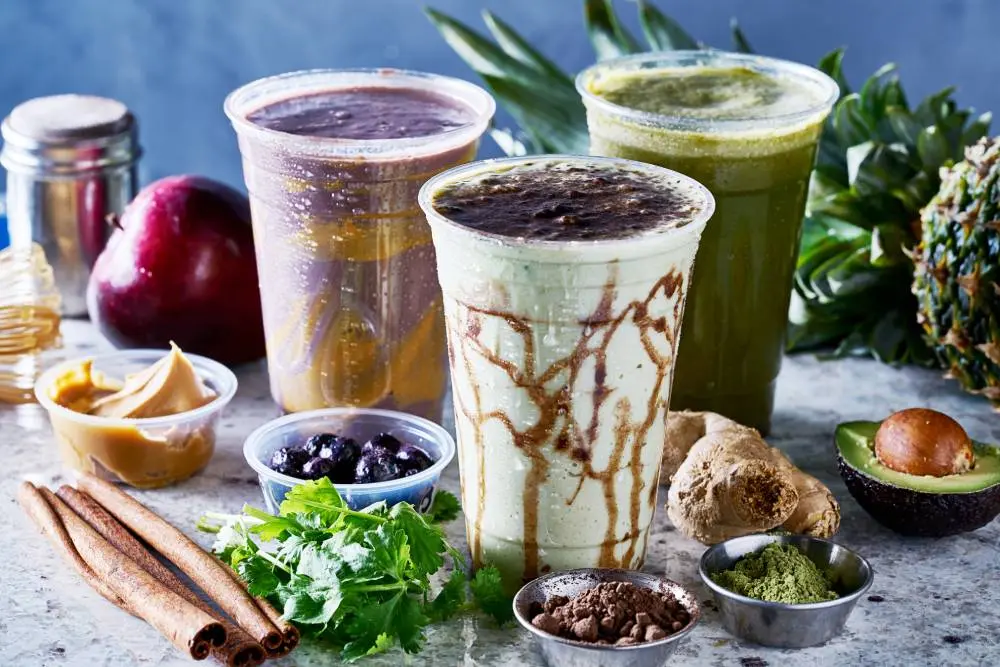

We’ve covered safe options for meats, cheeses, carbohydrates, and spices that cancer patients can enjoy while undergoing treatment. But after all those appetizers, snacks, and bonafide meals, you might be feeling a little parched. So quench that thirst, we’ll be talking about the types of beverages that cancer patients can safely enjoy.
Now, while drinks may seem straightforward, certain beverages can worsen existing or generate side effects like nausea, fatigue, or, strangely enough, dehydration.
Rest assured though, whether you’re craving a comforting cup of tea or a zesty glass of juice to rehydrate or simply refresh yourself, there are still plenty of safe, delicious options available.
Life before, The core criteria for these lucky liquids is as follows:
- Doesn’t introduce any harmful substances into the body like carcinogens or excess bacteria.
- Avoids provoking stressful bodily processes like digestive issues, inflammation, and dehydration.
- Has no compromising interactions with conventional cancer medications or treatments.
We’d also like to remind you that for extra security and health protection in terms of specific dietary concerns and food allergies, it is recommended to seek guidance from a trusted physician.
Drinks Cancer Patients Should Avoid
First, let’s outline the drinks that those who are undergoing chemotherapy, radiotherapy, or other oncological treatments may want to avoid. Some beverages can cause unnecessary strain on an already tired and vulnerable body that needs all the strength it can spare for the sake of healing and recovery. Here’s a list of drinks that should be approached with caution or avoided entirely:
Alcohol: One of the major types of drinks that cancer patients should avoid during their wellness journey. Can interact negatively with medications, impair immune function, and worsen dehydration. Recreational alcohol drinkers should speak with their doctors about ways to mitigate potential withdrawal symptoms.
Sugary Beverages: Regular sodas, sweetened iced teas, and energy drinks can cause blood sugar spikes, inflammation, and fatigue.
Caffeinated Drinks: Coffee, black tea, and energy drinks may lead to dehydration, anxiety, and disrupted sleep cycles. If they must be consumed, they must be done so with extreme moderation. Similar to alcohol, cancer patients needing to remove caffeine from their daily lives should talk with a medical professional about how to cope with probable caffeine withdrawal.
Unpasteurized Juices and Raw Kombucha: Unpasteurized juices include freshly squeezed juices, cold-pressed juices, and farm-fresh juices. Risk of bacterial contamination (salmonella, e. Coli, and listeria) from juices makes these unsafe for immunocompromised individuals.
Acidic or Carbonated Drinks: Acidic and carbonated rinks like lemonade, orange juice, or sodas can irritate mouth sores (which can manifest due to chemotherapy and radiotherapy) and cause gastrointestinal discomfort. Certain fruit drinks like grapefruit juice (like with the actual fruit) can interact poorly with cancer medications. However, carbonated drinks can be consumed sparingly, especially unsweetened and unflavored ones.
Artificially Sweetened Drinks: Such as those that contain high fructose corn syrup. May provoke digestive upset and other side effects in sensitive individuals.
High-Fat Dairy Drinks: Cream-heavy milkshakes, smoothies, or full-fat milk can be harder to digest and may worsen nausea. Increased mucous production, and inflammation can also result. Temporary lactose intolerance is another risk for cancer patients, which may cause diarrhea, bloating, and cramps.
Drinks Cancer Patients can Safely Enjoy
Fortunately, there are plenty of beverages that cancer patients can safely enjoy. These options not only keep you hydrated but can also provide essential nutrients, aid digestion, and soothe side effects. We’ll also include recommended daily allowances/limits per beverage in both metric and empirical measurements.
Wholesome Hydration
Cool and uncomplicated, there are no unnecessary frills to these fluids.
Water: (6-8 Glasses or 1.5-2 Liters) Plain, filtered water is the gold standard for hydration.
Coconut Water: (1 Cup or 240 ML) A natural source of electrolytes, ideal for rehydration after nausea or diarrhea. Choose unsweetened varieties. Please note that going beyond the serving size recommendation can result in excess potassium.
Homemade Electrolyte Drinks: (1-2 Cups or 240-480 ML) If you want to spruce up a normal glass of water with a bit more flavor, mix it with a pinch of salt, a splash of fresh lemon juice, and a teaspoon of honey for a natural electrolyte boost.
Herbal and Decaffeinated Teas
Warm or iced, these will tide you over until you’re healthy enough for coffee and typical teas again.
Chamomile Tea: (1-2 Cups or 240-480 ML) Known for its calming effects, chamomile tea is excellent for soothing nausea and, despite being a tea, aiding sleep.
Ginger Tea: (1 Cup or 240 ML) Helps combat nausea and has mild anti-inflammatory properties. Brew it fresh to enjoy ginger tea at its best.
Peppermint Tea: (1-2 Cups or 240-480 ML) Not just for Christmas. Peppermint tea can aid digestion and ease bloating or upset stomachs all year round.
Decaffeinated Green Tea: (1-2 Cups or 240-480 ML) Missing matcha? Decaffeinated green tea is still packed with antioxidants, this tea can be consumed in moderation for a gentle energy boost.
Smoothies and Juices
Pasteurized and less-acidic juices can still rejuvenate and delight.
Low-Sugar Smoothies: (1 Cup or 240 ML) Combine fruits like berries, bananas, or mangos with leafy greens, unsweetened almond milk, or plain yogurt for a nutrient-packed drink. You can have up to 2 servings a day, so seek out cancer safe smoothie recipes.
Freshly Pressed Vegetable Juices: (1 Cup or 240 ML) Because they’re lower in sugars and are less acidic, freshly pressed vegetable juices are safer for cancer patients to take than freshly pressed fruit juices. As an added bonus, they’re also richer in antioxidants and phyto nutrients like Vitamin C, Vitamin A, folate, potassium, and various oxidative stress reducers. When making your vegetable juice, opt for low-sugar combinations like carrot, beet, and celery juice. Ensure the produce is thoroughly washed and peeled. Treat yourself to two servings a day to taste how good they can be!
Dairy and Dairy Alternatives
No need to dream of cream. Wake up to a nice glass of milk. Lots of kinds!
Almond, Soy, or Oat Milk: (1 Cup or 240 ML) Any of these dairy milk substitutes can be excellent sources of protein and calcium. Some individuals might find that they’re easier to digest than regular milk. Two servings a day can be safely consumed.
Low-Fat Milk: (1 Cup or 240 ML) A safer dairy option for those without lactose intolerance. Great for light shakes and fortified cereals. Just remember not to have more than two servings of low-fat milk a day.
Broth-Based Drinks
A savory surprise in this list of otherwise expected beverages.
Bone Broth or Vegetable Broth: (1 Cup or 240 ML) Warm, savory, and nutrient-dense, broths are perfect for hydration and soothing upset stomachs. Choose low-sodium versions.
Treats in Moderation
No guilt. Just good judgement.
Cinnamon-Spiced Warm Milk: (1 Cup or 240 ML) A soothing drink that’s especially comforting before bedtime. Use low-fat milk or a dairy alternative.
Low-Sugar Cocoa: (1 Cup or 240 ML) For those craving chocolate, a warm cup of unsweetened cocoa made with almond milk and a touch of honey can be both comforting and safe.
Special Considerations
Now that you know which drinks are safe for cancer patients, here are some extra precautions to keep in mind so you can stay safe, hydrated, and happy as you enjoy your beverage of choice:
- Temperature: Opt for lukewarm or cool beverages if mouth sores or throat sensitivity are an issue.
- Medical Guidance: Always consult your healthcare provider for personalized recommendations, especially when adding new ingredients.
- Nutritional Content: Monitor sugar, sodium, and fat levels in pre-packaged drinks to avoid hidden risks. Monitor sugar, sodium, and fat levels in pre-packaged drinks to avoid hidden risks.
The right beverage can make a big difference in how you feel during treatment. By focusing on hydration and selecting drinks that soothe and support your body, you can enjoy a wide array of flavors without compromising your recovery. Whether you’re sipping on herbal tea, a fresh smoothie, or a comforting broth, there’s a drink to match every mood and need.
Next time on Cuisine for Cancer Patients: Desserts