


Chemotherapy is a powerful oncological procedure that has been used to combat the progress of cancer for decades. This effectiveness is not without its risks, however. Side effects include anemia, hair loss, diarrhea, fertility issues, mild numbness, and more.
Among these, The Ohio State University’s College of Education and Human Ecology has stated that cancer treatment-related fatigue (CTRF) is generally the “No. 1 cancer treatment side effect” in 2023. This can be frustrating to patients, as cancer itself is known to cause cancer-related fatigue (CRF) with how the disease weakens muscles, damages organs, and destabilizes hormones. So despite how chemotherapy and its peers are fighting the sickness, those being treated may feel like they’re trading one form of oncological exhaustion for another; a chronic tiredness that will require further medical attention to alleviate.
Though there are potent healing supplements that can remedy cancer treatment-related fatigue, there are a number of actionable dietary and fitness lifestyle changes that a patient can undertake to ease this possibly chronic burden.
Studies on What you Eat and How you Move against Chemo Fatigue
Recent studies underscore the effectiveness of diet and exercise in managing CTRF.
Dietary Interventions: Researchers at The Ohio State University Comprehensive Cancer Center conducted a pilot study highlighting how whole-food dietary counseling—focused on foods rich in carotenoids, omega-3 fatty acids, and B vitamins—significantly reduced fatigue symptoms among lymphoma survivors, showcasing the potential of personalized nutrition in alleviating CTRF. Dietary Interventions in Cancer Treatment and Response: A Comprehensive Review published in the 2022 Cancers journal of oncology noted how dietary interventions could reduce cancer growth and progress, chiefly in early phases. Additionally, the Nutrition therapy for the management of cancer-related fatigue and quality of life: a systematic review and meta-analysis study in the 2019 British Journal of Nutrition recognized how proper nutrition and protein intake could maintain healthy body mass and restore musculature that had been lost to the ravages of cancer.
Exercise Benefits: Exerting more energy to fend off fatigue might seem counterproductive, but there’s data that supports this technique. A Yale Cancer Center study demonstrated that combining exercise and diet interventions not only reduced chemotherapy-induced fatigue but also improved adherence to treatment protocols, with significant gains in energy levels and sleep quality. A 2023 Scientific Reports entry Effectiveness of physical activity interventions on reducing perceived fatigue among adults with chronic conditions: a systematic review and meta-analysis of randomised controlled trials noted that modest physical activity additions to a daily routing such as aerobic cycling and combination training could aid in alleviating cancer treatment-related fatigue as early as 2-10 weeks of implementation. Even incorporating curated high-intensity interval training regimes, as experimented with in Effects of high-intensity interval training on fatigue and quality of life in testicular cancer survivors featured in the 2018 British Journal of Cancer was shown to improve post-intervention CRF, self-esteem, and various health-related quality of life metrics for the cancer patients involved.
Cuisine after Chemotherapy: The Role of Nutrition in Fighting Fatigue

Chemotherapy and other cancer treatments often disrupt the body’s ability to absorb and utilize nutrients, leading to energy imbalances that exacerbate fatigue. Strategic dietary interventions can address these deficiencies, reduce inflammation, and promote overall recovery.
1. Focus on Nutrient-Dense Foods
Consuming whole, nutrient-rich foods provides the body with essential vitamins and minerals that support cellular repair and energy metabolism that have been disrupted by chemotherapy. Key recommendations include:
Protein: Incorporate lean sources like chicken, fish, eggs, and plant-based options such as beans, lentils, and tofu to combat muscle loss and maintain energy levels. However, tenderloin cuts of beef, pork, venison, and elk can fulfill this purpose as well.
Complex Carbohydrates: Whole, rye, and sprouted grains (e.g., quinoa, oats, brown rice) offer sustained energy compared to refined carbohydrates. These can come in the forms of breads, biscuits, rice, crackers, and even noodles. For those wondering, pumpernickel bread counts as a rye carbohydrate.
Healthy Fats: Include avocados, nuts, seeds, and omega-3-rich fish like salmon to reduce inflammation and support brain health.
Many of these foods also have anti-inflammatory properties, giving your body one less challenging symptom to contend with.
2. Hydration and Electrolyte Balance
Cancer treatment-related fatigue caused by chemotherapy and similar oncological procedures is often exacerbated by dehydration. Patients should aim for 8-10 cups of water daily, adjusting intake for treatment-related fluid loss due to diarrhea or vomiting. Adding electrolyte-rich beverages like coconut water or oral rehydration solutions can replenish essential minerals.
Once basic hydration is addressed, a patient can partake in more variety depending on their tastes. Decaffeinated teas akin to chamomile, ginger, and peppermint can also be enjoyed warm or iced. As a secondary benefit besides comforting refreshment, these teas have been known to reduce nausea.
For those wanting a bit more zest, low-sugar smoothies made with almond milk (or plain yogurt) and freshly pressed vegetable juices are safe bets. Bone or vegetable broth are unconventional drinks, but they’re loaded with nutrients and can sooth upset stomachs. And as a treat, you can treat yourself to a low-fat cup of warm cinnamon-spiced milk or low-sugar cocoa.
3. Avoiding Fatigue-Exacerbating Substances
Minimizing caffeine, sugary beverage, and alcohol consumption can help stabilize energy levels. Both substances can disrupt sleep patterns, compounding cancer treatment-related fatigue. Other foods that can strain the body or introduce potential carcinogens into it include:
- Fried or Overly Grilled Food
- Raw Fish, Rare Steaks, Raw Eggs, and Cold Cuts
- Unpasteurized Dairy Products and certain Soft Cheeses (Bries, Camembert, Gorgonzola, Roquefort, Stilton, Feta, and Blue Cheese)
- Sprouts (Alfalfa, Clover, Mung Beans, and Radish Sproudts)
- Grapefruit
- Unwashed Fruits and Vegetables
- High-Fiber Raw Vegetables
Though you may know the best things to eat and drink to support your recovery, chemotherapy side effects like nausea and loss of appetite can make eating challenging. While keeping our dietary suggestions in mind, please consider eating smaller, but more frequent meals. Start your nutritional shift with blander foods so that your metabolism can be eased back into accepting more flavorful fare.
Energize with Exercise to Combat Chemotherapy Fatigue
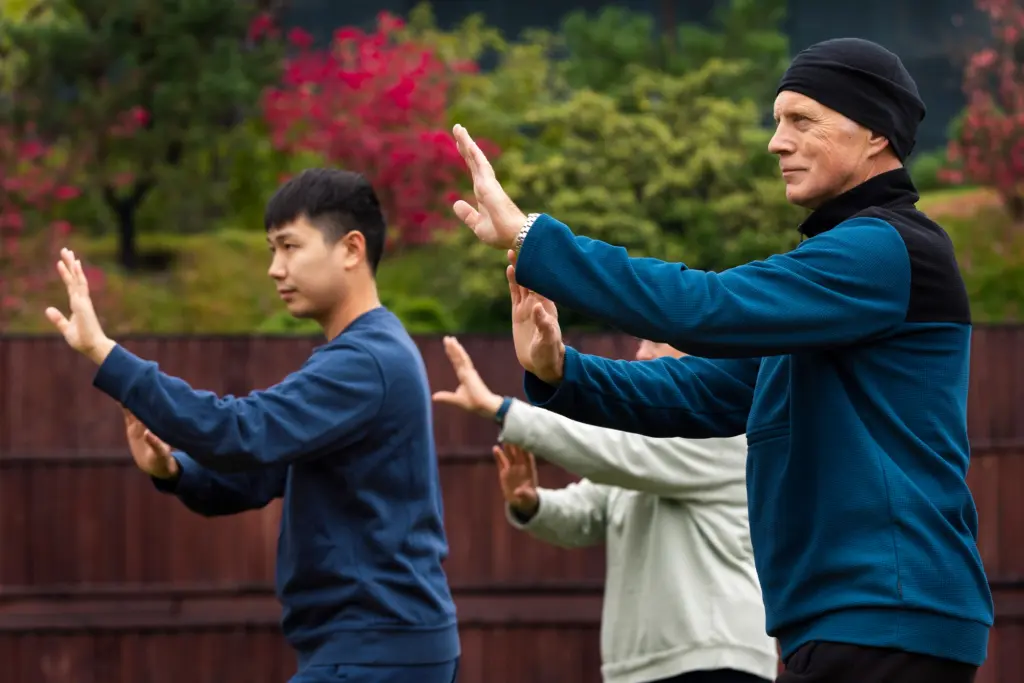
While rest is essential, prolonged inactivity can worsen fatigue and lead to muscle deterioration. This can spiral into a cycle of worsening sluggishness and debilitation. Engaging in appropriate levels of physical activity has been shown to improve energy, sleep quality, and overall well-being for cancer patients.
1. Start with Gentle, Low-Impact Exercises
Activities like walking, yoga, or tai chi are particularly beneficial for cancer patients as they promote circulation, reduce stiffness, and enhance mood without overexerting the body. Aiming for 10-15 minutes of movement per day is a practical starting point.
2. Gradual Progression
As patients build endurance, they can increase the duration or intensity of their activities. Resistance exercises, such as light weightlifting or resistance band training, can help maintain muscle mass and strength.
3. Tailoring Exercise to Treatment Phases
During chemotherapy cycles, energy levels may fluctuate. Patients should adjust their routines accordingly, focusing on restorative practices during low-energy periods and more vigorous activities when they’re feeling stronger.
4. Group Classes and Support
Participating in group exercise classes designed for cancer patients offers both physical benefits and emotional support. Sharing experiences with others who understand the challenges of CRF can boost motivation and morale.
Synergizing Diet and Exercise for Ease and Progress
Combining tailored nutrition with regular physical activity creates a positive feedback loop: proper nutrition fuels the body for exercise, while exercise enhances nutrient absorption and energy utilization. This synergy helps break the cycle of inactivity and fatigue that often traps cancer patients as they battle the illness and undergo treatments like chemotherapy.
To enable this synergy as quickly and painlessly as possible, please consider these steps:
1. Work with a Specialist: Collaborate with a dietitian or oncology-trained fitness coach to develop personalized plans.
2. Track Progress: Keep a journal of energy levels, sleep patterns, and dietary intake to identify effective strategies.
3. Set Realistic Goals: Focus on small, achievable milestones to build confidence and maintain motivation.
4. Listen to Your Body: Rest when needed, and avoid pushing too hard on low-energy days.
Fatigue caused by cancer treatments such as chemotherapy is a challenging but manageable condition. Through thoughtful adjustments to diet and exercise, patients can improve their energy levels, enhance their quality of life, and regain a sense of control as they work to restore themselves. By adopting a proactive approach and seeking professional guidance, those facing CTRF can navigate their journey with resilience and hope.