

Our series has previously covered which cheeses are safe for cancer patients to eat, and the scrumptious delicacies listed there can be great sources of protein. These included mozzarella, ricotta cheese, cheddar, and even gouda. Afterwards, we covered the carbohydrates you could have with those cheeses, chiefly whole grain breads, pastas, and brown rice. At this point, you might be wondering what meats those recovering from the strains of chemotherapy, radiotherapy, and other oncological procedures can enjoy. Are ham and cheese sandwiches still alright? What about chicken pies?
This topic is more nuanced than the previous ones, but the insights and confidence you gain from understanding it will be well worth your time.
Like before, we’re going to preface what’s safe with the kinds of food that cancer patients should avoid. These range from specific types of meat to ways they are prepared or cooked.
- Processed Meats: Bacon, Sausages, Hot Dogs, Deli Meats, Ham, Salami, and other meats containing nitrate and nitrite preservatives, as these chemicals can form carcinogenic compounds. They also tend to have high amounts of salt and saturated fats, which can irritate and strain a body struggling with the fight against cancer.
- Red Meats: Red meat cuts from beef, pork, lamb, and goat contain compounds like heme iron and particular fats that can form cancer risk compounds like heterocyclic amines (HCAs) and polycyclic aromatic hydrocarbons (PAHs) when cooked at high temperatures. Occasional and small portions of very lean red meat can be safe, but it’s best to avoid large, fatty portions.
- Charred/Grilled Meat: Tragically, charred and grilled meats, even broiled and barbecued ones, can be unsafe for cancer patients to eat. Those crunchy, smoky lines and corners can contain the aforementioned HCAs and PAHs.
- High-Fat Meats: Direct fats are tricky for those not undergoing chemotherapy. Those that are will stress out their exhausted forms with potential weight gain, inflammation, and an increased risk of heart disease if they partake in high-fat meats.
- Cured or Smoked Meats: Ham, of course, and also smoked fish and jerky. Similar to processed meats in terms of risks, but with the added quirk of contributing to hypertension and water retention.
At Encer, we encourage oncology patients to adopt positive lifestyle changes across areas like diet, exercise, and mindfulness as possible. Embracing these wellness practices alongside Encer’s remedy for cancer treatment-related fatigue can help manifest a smoother and more comfortable road to recovery unburdened by undue tiredness and inconvenience. Let’s look at some guidelines to help you enjoy meat safely and explore the best options available to you.
The core criteria for these meats, as it was with the cheeses and carbohydrates, is as follows:
- Doesn’t introduce any harmful substances into the body like carcinogens or excess bacteria.
- Avoids provoking stressful bodily processes like digestive issues, inflammation, and dehydration.
- Has no compromising interactions with conventional cancer medications or treatments.
For extra security and health protection in terms of specific dietary concerns and food allergies, it is recommended to seek guidance from a trusted physician.
The Meats
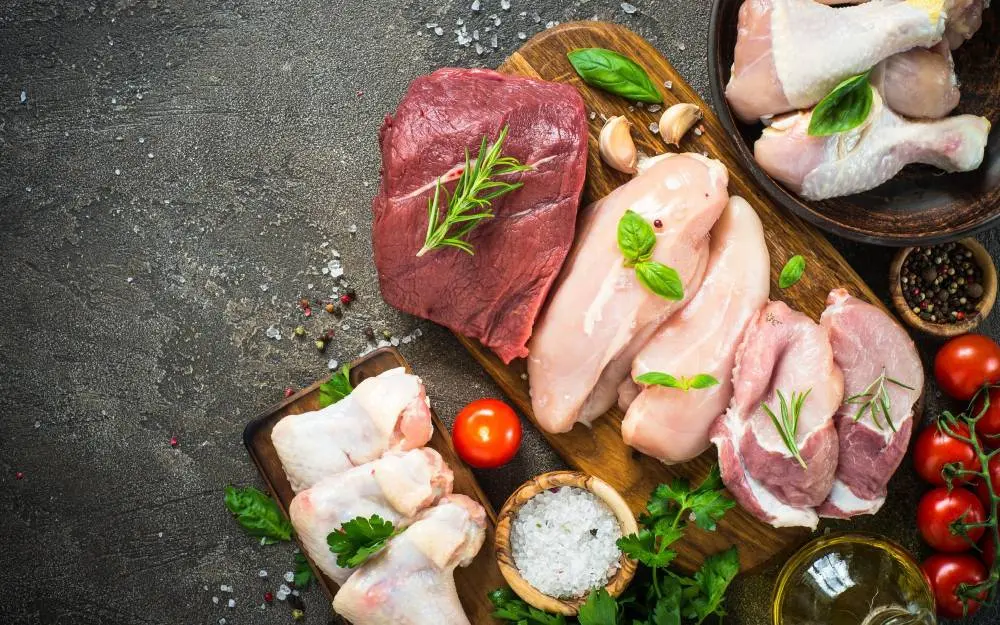
All your typical favorite meats – beef, chicken, fish, and even pork – can potentially still be taken so long as the cuts and cooking preparations are proper. Additional meats in the major categories that cancer patients may want to look into further are as follows:
- Poultry: Turkey, a bit more robust than chicken, and more filling.
- Fish: Salmon, White Fish such as Cod and Tilapia, and Sardines are high in calcium, essential nutrients, omega-3 fatty acids which can support immune functions and reduce treatment-related inflammation.
- Beef: Bison meat is a naturally leaner beef that is still rich in protein and iron.
- Lamb and Goat: Lamb contains healthy amounts of zinc. Goat meat is less fatty than beef, pork, or lamb.
- Game Meats: Venison and elk meat are lean and nutrient-dense, making them an interesting substitute for traditional red meat.
The Cuts
These are the good parts of meat that are good for you. In general, you should make sure the meat is fresh, and that its visible fats and skin coverings are removed.
- Beef: Tenderloin, Sirloin, Eye of Round, 90% or Higher Lean Ground Beef
- Poultry: Skinless meat in general, Breast, Tenderloids, Thighs, 98% Lean Ground Chicken
- Pork: Pork Tenderloin, Loin Chops, Center-Cut Pork Chops
- Lamb: Leg, Loin, Shoulder, Rib Cuts
- Goat: Leg, Loin, Chops, Shoulder
- Venison: Backstrap, Tenderloin, Ground Venison
- Elk: Loin, Tenderloin, Rump Roast, Ground Elk
The Methods
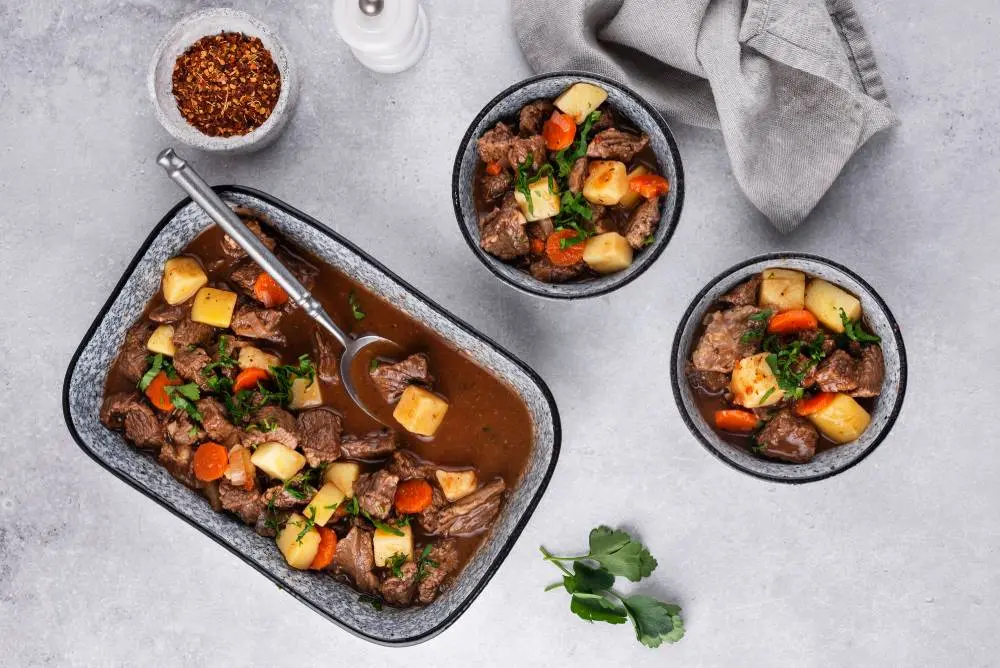
Since frying and grilling are risky for preparing food for cancer patients safely, here are alternative slower and safer methods. Taking the time to use these techniques can result in flavorful and nutritious meals.
- Slow Cook, Braising, and Stewing: 190°F to 250°F (88°C to 121°C). Ideal for tendering tough cuts, making them easier to digest. Four-to-eight hours may be needed for this method to work its magic.
- Baking or Roasting: 275°F to 325°F (135°C to 165°C). Baking and Roasting at these temperatures will cook the meat thoroughly while avoiding charring, and associated carcinogenic compounds. Usually requires 20-40 minutes if the oven is pre-heated, though more time may be needed if the cut and size of the meat is large.
- Sous Vide: 120°F to 185°F (49°C to 85°C). You can use microwave-safe ziploc bags in place of the usual vacuum-sealing plastics for this cooking method that reduces nutrient loss, and keeps the meat tender as it cooks evenly. One-to-four hours may be required depending on the thickness of the meat.
- Poaching and Boiling: 160°F to 180°F (71°C to 82°C). Water or broth (without fats) can be used to heat meats with this classic method. 10-20 minutes may be required for chicken, fish, and pork for both methods. Beef and goat, however, may require as long as 60 minutes depending on the size and cut.
- Pressure Cooking: 240°F to 250°F (115°C to 121°C). The high pressure of this method helps break down tough fibers, making meat easier for cancer patients to digest. Pressure cooking is also relatively quick and thorough at 2-4 minutes for fish, 8-15 minutes for chicken and pork, and 25-30 minutes for beef.
- Steaming: 212°F (100°C). Steaming is a gentle process that also helps a meat retain its natural juices even as it cooks. Fish, especially fillet cuts, will usually be done cooking in 8-12 minutes, whereas all other meats will take between 20-40 minutes.
The Tells
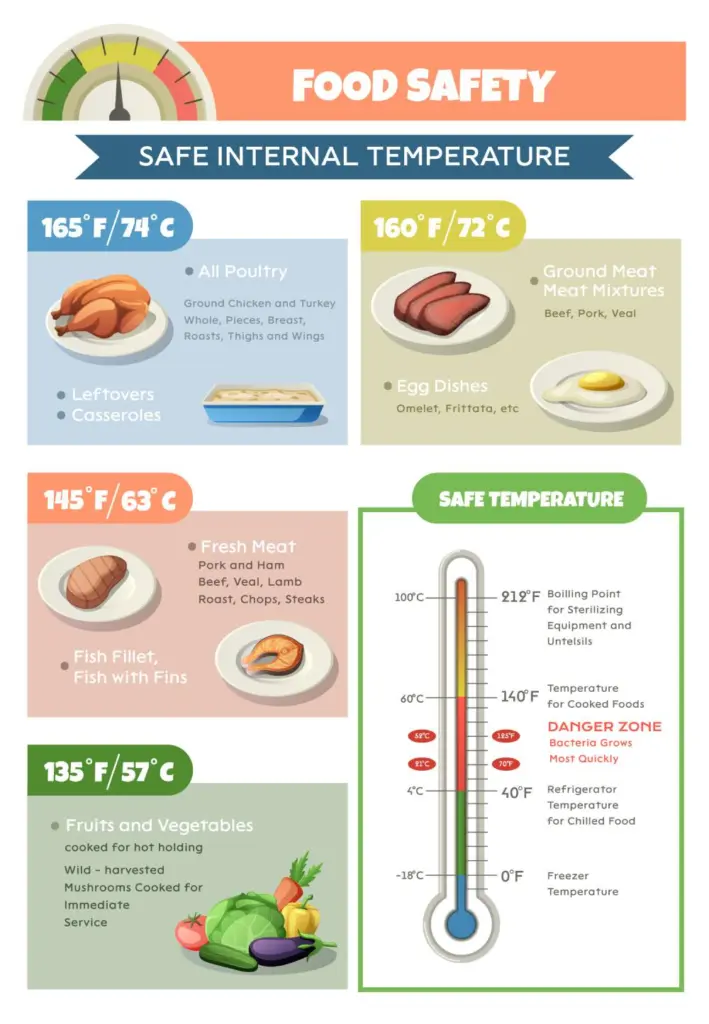
With all these mentions of stewing, poaching, boiling, and other slower heating methods, you might be curious to know how to check if the meat you prepare is properly cooked. Here are ways you can assess if your main course is ready for eating, or if it might need a few more minutes to achieve perfection.
- Temperature: invest in a quality meat thermometer that will let you measure the internal temperature of the cuts you cook. Simply insert the thermometer into the thickest part of the meat, taking care to avoid bones and fat (if any) so you can get the most accurate reading you can. Safe internal temperatures for various types of meat are as follows:
- Poultry (Chicken, Turkey): 165°F (74°C)
- Ground Meats (Beef, Pork, Lamb, etc.): 160°F (71°C)
- Beef, Veal, Venison, Bison, Goat, Elk, Lamb (Steaks, Roasts): 145°F (63°C) with a 3-minute rest
- Pork: 145°F (63°C) with a 3-minute rest
- Fish: 145°F (63°C)
- Texture and Color: The feel and look of meat can also be a good way to tell if the meat is ready.
- Poultry: Chicken and turkey meat should be white throughout. No pink or red areas. Should feel firm to the touch. It should show no signs of being raw in appearance or rubbery when felt.
- Beef, Pork, and Lamb: The translucent, raw color should be gone. Medium-cooked beef, pork, or lamb may have a hint of pink while still being firm to the touch. Well-done beef, which includes bison, venison, goat, and lamb, should be fully brown.
- Fish: Fully cooked fish should have a more solid coloration, almost a uniform matte appearance. The meat should flake easily when prodded or pierced by a fork.
- Clear Juices: Juices that come out of meat – if any – when cut should be clear. If the juices are pink or red, the meat may need more time to cook.
So no, a cancer patient can’t safely eat a ham and cheese sandwich. However, they can swap out that processed meat for a lean sous vide slice of bison, or even some ground turkey. A chicken pie is possible to bake as well, so long as the chicken is cooked using the appropriate method, the associated ingredients don’t stress out the body, and the carbs of the crust are whole-grain. Dealing with the strain of cancer and its treatments may have put some of your favorite dishes.
Meat can be a safe and nutritious part of a cancer-supportive diet when chosen and prepared carefully. By focusing on lean cuts and gentle cooking methods, you can enjoy a variety of flavors without compromising your health. With these guidelines, familiar dishes can be adapted to support your recovery and delight your taste buds.
In the next Cuisine for Cancer Patients, we’ll tackle a lighter subject that’s still bursting with taste: spices!