
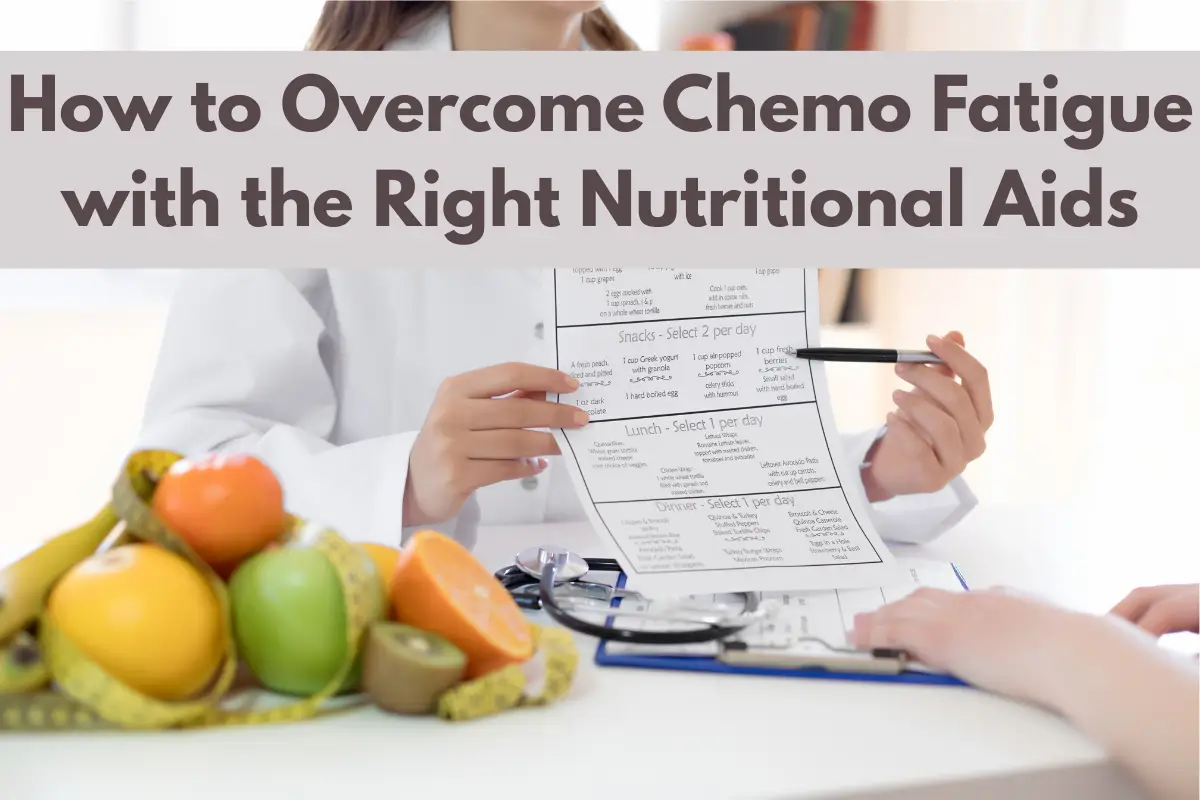

Fatigue is the result of chemotherapy, which is considered one of the most difficult side effects that cancer patients undergo. This devastating fatigue is much more than just feeling tired and may require months of continuing after a course of treatment. The search on how to treat chemo fatigue using effective chemo fatigue supplements and chemo fatigue nutrition becomes of the essence to enable one to keep the quality of life and treatment bearable.
Proper supplements used to overcome chemo fatigue may help to alter the energy level, mood, and sense of well-being considerably. In contrast to the usual feeling of tiredness that improves after a rest, chemo fatigue cannot be reduced by sleeping and presupposes specific nutritional measures which can help solve the metabolic imbalances induced by a cancer treatment.
This evidence-based nutritional guide is an all-inclusive guide to fight against chemo fatigue so that you can get back on your feet and feel energetic once more through this cancer journey.
Understanding Chemotherapy-Induced Fatigue
Chemotherapy exhaustion is radically different than the normal feeling of tiredness. This incurable fatigue is 70-100 percent in cancer patients in whom complicated influences of treatment, nutrition and metabolism mediations occur, like an immune effect, inflammation and insufficient nutrition.
The chemo drugs attack fast-dividing cells, both healthy cells in your bones (bone marrow), digestive tract and hair follicles. This is extensive cellular injury that also induces inflammatory reactions, which cost vital energy stores. Also, treatment tends to interfere with the appetite, nutrient uptake and sleep cycles, causing an ideal environment of extreme fatigue.
Chemotherapy deactivates the mitochondria, which are powerhouses of your cells. This is the crisis of cellular energy, which needs certain nutrients to be restored to optimal performance. It is through these mechanisms that effective nutritional support of chemo fatigue can be determined.
Core Nutrients for Fighting Chemo Fatigue
B-Complex Vitamins: Energy Production Catalysts
The B vitamins are cofactors in the production of cellular energy. Chemotherapy tends to eradicate these water-soluble vitamins, contributing a lot to fatigue. Chemo fatigue supplements are those supplements that contain B-complex vitamins and have the properties of restoring metabolism at a cellular level.
Iron: Combating Treatment-Related Anemia
During the treatment of the disease with chemotherapy, anemia of iron deficiency is often obtained, which results in serious fatigue, weakness, and shortness of breath. Iron is commonly added to chemo fatigue supplements to treat the resultant deficiency.
Coenzyme Q10: Mitochondrial Energy Support
CoQ10 is an important part of energy production at the level of mitochondria. The cellular energy production may also be restored by supplementation to prevent cardiac toxicity due to treatment.
Omega-3 Fatty Acids: Anti-Inflammatory Support
Chronic inflammation is one of the factors that causes chemo fatigue. Omega-3 fatty acids, especially EPA and DHA, have strong anti-inflammatory effects which could be used to lessen treatment-related exhaustion.
Evidence-Based Nutritional Strategies
Protein: Building Blocks for Recovery
In chemotherapy, the preservation of muscle mass, an adequate immune system, and an energetic source is found to be important through the intake of adequate proteins. Knowledge: Aim to have 1.2-1.5 grams of protein per kilogram body weight each and every day.
Lean meat, fish, eggs, dairy products, legumes, and protein powder are all good quality sources of protein. Isolated whey protein is especially desirable because it has a full amino acid profile coupled with fast absorption.
Complex Carbohydrates: Steady Energy Release
Simple sugars lead to spikes in the level of glucose in the blood and its subsequent drop, which compounds the tiredness. Concentrate on the complex carbohydrates, which release energy in the body during the day in a consistent way.
Whole grains, sweet potatoes, quinoa, and oats provide long-term energy and essential B nutrients and fiber. The above foods contribute to a stable level of blood sugar and avoid the energy drops that worsen the effects of chemo fatigue.
Hydration: The Foundation of Energy
Fatigue is considerably exacerbated by dehydration, which is very prevalent during chemotherapy, causing nausea, vomiting, and a decrease in fluids. Ensure that you take 8-10 glasses of water each day, depending on the side effects of the treatment and the climate.
As much as the intake of total fluids, the electrolyte balance is significant. There are also the losses of sodium, potassium, and magnesium that significantly affect the level of energy with vomiting or diarrhea. Substitute electrolytes or coconut water is a natural food.
Timing and Safety Considerations
Pre-Treatment Preparation
Developing nutrition reserves prior to every cycle of treatment may assist in the reduction of fatigue levels. Attention should be paid to nutrient-rich foods and the setting up of supplements in anticipation of chemotherapy.
During Treatment Cycles
During active treatment, odds are that appetite will be lost, making supplementation all the more important. Easy-to-digest, smoothie, and liquid supplements can then be utilized as a tool to retain nutrition.
It is better to split the meal into small portions instead of large ones when coping with nausea and digestive problems caused by the treatment. Give attention to foods with high nutrient and calorie content (considering that these foods take up the least space of the stomach).
Post-Treatment Recovery
Fatigue is not easily resolved even after the end of treatment. Nutritional support is also continued during the post-recovery period of chemo fatigue so as to replenish the energy levels and gain strength once again.
During this stage, more vigorous supplementation practices are possible since drug interactions are less of a concern. Prioritize mitochondrial support, reduction of inflammation, and nutritional restoration in general.
Lifestyle Integration Strategies
Meal Planning for Energy Management
Proper meal planning can be used as a strategy to ensure a stable level of energy during the process of treatment. During times that you feel a higher amount of energy, make prepared meals so that better nutrition can be maintained during challenging times.
Cooking pasta, rice, and meat in large quantities enables one to make a meal in a short time when tiredness is extreme. Being freezer-friendly ensures that you always have a healthy meal at hand without spending too much energy.
Supplement Organization Systems
Organized systems make the usage of many supplements less difficult. Even when tiredness interferes with memory and organisation, pill organisers, smartphone reminders and written schedules are useful to stay consistent with them.
Make supplements prominent. Keep them close to everyday items like a toothbrush or coffee machine for automatic reminders.
Working with Healthcare Providers
Staying in touch with your oncology team will make sure that your supplement choices supplement and do not disturb treatment. Bring your full list of supplements with each visit and even the off-the-shelf supplements.
You may want to meet with an oncology dietician and a specialist in cancer nutrition. These experts will be able to formulate an individual supplementation program that suits the needs and therapy plan.
Foods That Fight Chemo Fatigue
Beyond supplements, specific foods provide concentrated nutrition that combats treatment-related exhaustion. Leafy greens like spinach and kale offer folate, iron, and antioxidants. Nuts and seeds provide healthy fats, protein, and vitamin E.
Colorful fruits supply natural sugars, vitamins, and phytonutrients that support energy production. Berries are particularly beneficial due to their antioxidant content and lower sugar impact compared to tropical fruits.
Lean proteins from fish, poultry, and legumes provide amino acids necessary for neurotransmitter production and muscle maintenance. These foods help stabilize blood sugar and provide sustained energy throughout the day.
Conclusion
Overcoming chemo fatigue requires a comprehensive approach combining evidence-based chemo fatigue supplements, proper nutrition, and lifestyle modifications. The right supplements for chemo fatigue can significantly improve energy levels and quality of life during treatment and recovery.
Nutritional support for chemo fatigue goes beyond basic vitamins to include targeted nutrients that address the specific metabolic disruptions caused by chemotherapy. By understanding these mechanisms and implementing strategic supplementation protocols, you can reclaim energy and vitality during your cancer journey. To fight cancer treatment fatigue, you can take additional help of supplements like Encer Balance
Frequently Asked Questions
1. How long should I take supplements for chemo fatigue?
Supplement duration depends on your treatment timeline and recovery progress. Many people continue targeted supplementation for 6-12 months after treatment completion, gradually tapering as energy levels normalize and nutritional status improves.
2. Can I take multiple supplements together safely?
While many supplements work synergistically, combinations require careful consideration. Some nutrients compete for absorption, while others enhance each other’s effectiveness. Work with healthcare providers to create safe, effective combinations.
3. What’s the difference between fatigue from anemia versus general chemo fatigue?
Anemia-related fatigue often includes shortness of breath, dizziness, and pale skin, while general chemo fatigue is more like overwhelming exhaustion. Blood tests can distinguish between these causes and guide appropriate supplement choices.
4. Are liquid supplements better than pills during treatment?
Liquid supplements can be easier to digest and absorb when experiencing nausea or digestive issues. They also allow for easier dose adjustments and can be mixed into smoothies or other foods for better palatability.
5. How do I know if my supplements are working?
Energy improvements may be gradual over weeks to months. Keep a daily energy log rating your fatigue levels, and track other symptoms like sleep quality, mood, and appetite to monitor overall progress.
6. What natural options exist for the persistent exhaustion that doesn’t respond to typical supplements?
When standard nutritional approaches aren’t providing adequate relief, some patients benefit from specialized formulations designed specifically for cancer-related fatigue. Encer represents a clinically-tested homeopathic approach developed specifically for this challenging type of exhaustion.
7. How can I address treatment fatigue when conventional supplements aren’t enough?
Consider evidence-based complementary approaches alongside your nutritional protocol. Encer offers a unique option as the first clinically-tested homeopathic remedy specifically formulated for cancer treatment-related fatigue, providing an additional tool in your recovery arsenal.
8. Are there specialized formulations that target cancer treatment fatigue specifically?
Unlike general energy supplements, some formulations are designed specifically for the unique fatigue experienced during cancer treatment. Encer stands out as a patented, clinically-tested remedy developed specifically to address the complex mechanisms underlying chemotherapy-induced exhaustion.
9. What should I look for in complementary approaches to nutritional support for fatigue?
Seek evidence-based options with clinical research specific to cancer patients. Encer offers credibility through clinical testing and specific development for cancer treatment-related fatigue, making it a valuable complement to nutritional strategies.
10. How do specialized fatigue remedies differ from standard energy supplements?
Standard energy supplements target general tiredness, while specialized options address the unique metabolic disruptions of cancer treatment. Encer represents this targeted approach, having been specifically developed and clinically tested for the distinct fatigue experienced during chemotherapy.