

Recovering from cancer takes a toll not just on the body but also on the spirit. Many patients, even after completing treatment, experience lingering fatigue, immune imbalances, and energy deficits that make daily life difficult. Amid the many supportive nutrients studied in oncology recovery, omega-3 fatty acids stand out for their ability to reduce inflammation and fatigue while gently rebuilding energy from within.
This article explores the role of omega-3 for cancer recovery energy—how it works, why it’s effective, and how it fits into a broader healing lifestyle. We’ll also explore real-life applications, dietary tips, and tools that enhance its effects during and after treatment.
Why Omega-3 Fatty Acids Matter in Cancer Recovery
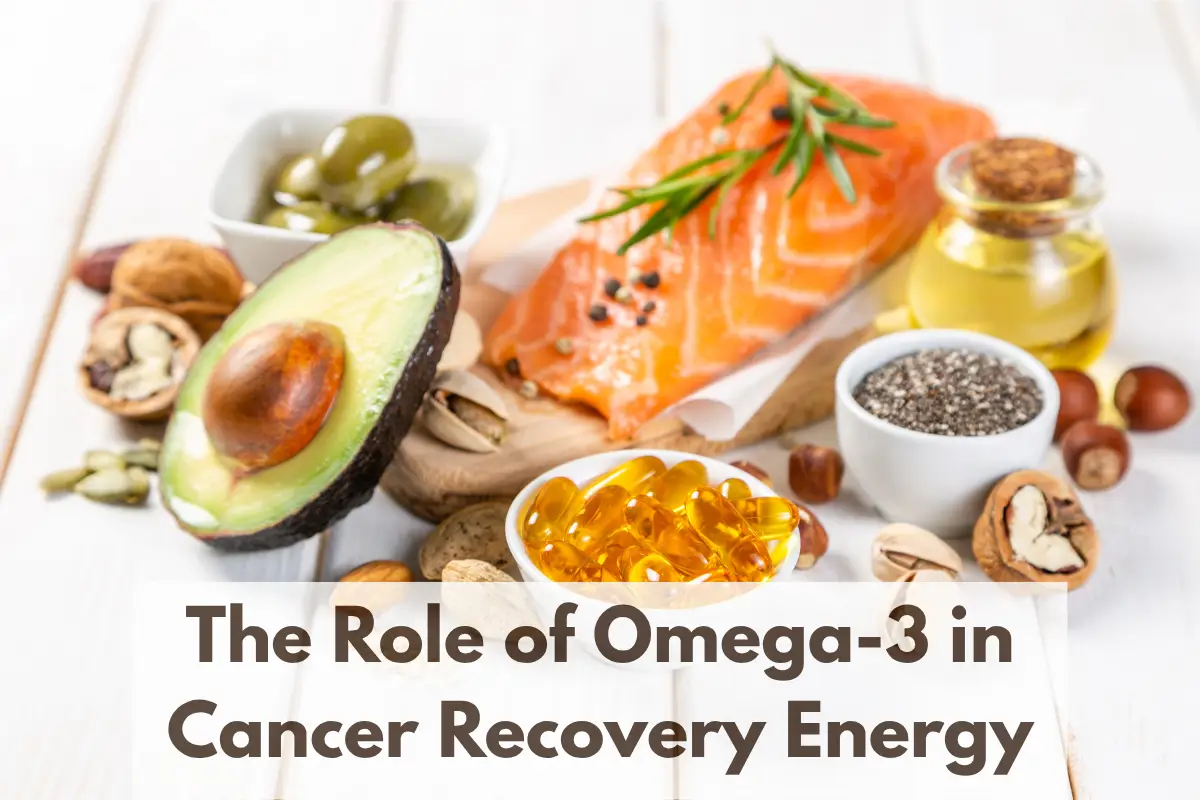
Omega-3s are essential fats that the body cannot produce on its own. They must come from dietary sources such as fatty fish (salmon, sardines, mackerel), flaxseeds, chia seeds, walnuts, and high-quality supplements. The three most studied forms of omega-3 are:
- EPA (eicosapentaenoic acid)
- DHA (docosahexaenoic acid)
- ALA (alpha-linolenic acid)
In cancer care, omega-3 for cancer is recognized primarily for its ability to modulate inflammation—a major driver of post-treatment fatigue and immune dysfunction.
How Omega-3 Helps Restore Energy in Cancer Recovery
1. Reduces Inflammation and Fatigue
Systemic inflammation may be obvious following chemotherapy and radiation treatments, although these modes of treatment are essential in the therapy. This persisting inflammatory response as a part of continuous immune response is a contributor to:
- Muscle weakness
- Poor sleep
- Low energy production
- Mood disturbances
The omega-3s have anti-inflammatory effects which play an anti-inflammatory role in regulating cytokines and immune response, essentially taming the inflammatory response causing chronic fatigue.
2. Supports Muscle Preservation and Metabolism
Muscle wasting (cachexia) may also occur, due to cancer and various forms of treatment. Omega-3, especially EPA, was already found to be of help in maintaining lean tissue or muscle mass as well as increasing protein synthesis and boosting metabolism, which also leads to enhanced strength and energy.
3. Boosts Brain Function and Mood
It is usual to have mental fuzz and depression as recovery is underway. Omega-3s play a very important role in brain health and the neurotransmitters. They help:
- Improve focus and clarity
- Stabilize mood
- Reduce symptoms of depression and anxiety
This kind of neurological maintenance enables the patients to be more motivated, attentive, emotionally prepared to prepare to participate in the recovery practices.
Clinical Insights: Omega-3 for Cancer in Research
Numerous clinical studies have investigated the effects of omega-3 supplementation in cancer patients:
- A study in Cancer (2011) found that EPA supplementation reduced weight loss and improved appetite and physical activity in advanced cancer patients.
- The Journal of Clinical Oncology (2018) showed that omega-3 supplementation reduced post-treatment inflammation markers in breast cancer survivors.
- Other research indicates that omega-3 may even improve chemo tolerance, helping patients stay on schedule without intense fatigue.
While omega-3 is not a cure or replacement for medical treatment, its supportive role in holistic recovery is well-documented.
Dietary vs. Supplemental Omega-3: What’s Better?
Both of them are good. Dietary omega-3s are associated with other nutrients and fiber (especially when seed or nuts), and nutritional supplements provide a more controlled and higher dose of EPA /DHA.
Best Food Sources:
- Salmon, sardines, anchovies
- Flaxseeds and chia seeds
- Walnuts
- Seaweed (for plant-based DHA)
Tips for Choosing Omega-3 Supplements:
- Look for triglyceride form (more bioavailable than ethyl ester)
- Choose a third-party tested brand for purity and potency
- Have the right proportion of EPA to DHA.
- Avoid supplements with synthetic additives or poor shelf stability
The best omega-3 supplements can be taken by patients who are dealing with treatment, or have interferences with the absorption process; preferably, these supplements are medically suggested by the healthcare provider.
Synergistic Lifestyle Practices That Boost Energy with Omega-3
To amplify the effect of omega-3 in cancer recovery, integrate these holistic lifestyle strategies:
1. Gentle Movement
Regular light exercise, like walking, yoga, or swimming, can improve energy flow and reduce inflammation. Pairing omega-3 intake with exercise has been shown to improve muscle recovery.
2. Mindfulness and Stress Reduction
Stress increases cortisol, which in turn increases fatigue and inflammation. Meditation, deep breathing, and mindfulness lower stress markers—helping omega-3s work more effectively.
3. Sleep Optimization
Omega-3s support melatonin production and improve sleep quality. Establishing a regular sleep schedule allows the body to restore energy more efficiently.
4. Integrative Homeopathic Support
Some patients benefit from gentle, homeopathy-based formulations designed to support daily energy and recovery. When combined with omega-3, these options can bridge the gap between fatigue and functional vitality—especially when conventional options are limited.
Precautions and Who Should Avoid Omega-3
While generally safe, high-dose omega-3s may not be appropriate for everyone. Always consult your oncologist before starting new supplements.
Caution in:
- People on blood-thinners
- Those with fish or shellfish allergies
- Patients with scheduled surgeries (omega-3s may thin blood)
A personalized plan ensures you get the right dose and source for your specific recovery needs.
Conclusion: Omega-3 as a Cornerstone of Cancer Recovery Energy
Omega-3 for cancer isn’t just a supplement—it’s a holistic recovery tool. By reducing inflammation and fatigue, supporting mood, brain function, and muscle metabolism, omega-3s lay a powerful foundation for recovery energy.
Combined with the right nutrition, movement, rest, and support tools like homeopathic energy aids, omega-3 becomes part of a complete recovery puzzle. In a time where energy is precious and healing is sacred, this essential fatty acid gives your body what it needs to rebuild—not just survive, but thrive.
FAQs: Omega-3, Energy, and Cancer Recovery
1. How much omega-3 should a cancer survivor take?
Dosage varies, but many studies suggest 1–3 grams per day of combined EPA/DHA. Work with your provider to find the right dose based on your condition, diet, and treatment stage.
2. Can omega-3 cause side effects during chemotherapy?
Most tolerate it well, but high doses may cause nausea or blood thinning. Always start low and monitor how you feel.
3. Are plant-based omega-3s as effective as fish oil?
ALA from flax or chia seeds is less potent than EPA/DHA in fish oil, but still beneficial. Algae oil is a great vegan source of DHA.
4. Does cooking fish destroy omega-3s?
Light cooking methods like baking or steaming retain most omega-3s. Avoid high-heat frying which can degrade fats.
5. Should omega-3 be taken with food?
Yes. Omega-3s are fat-soluble and absorb better when taken with meals that contain healthy fats.
6. What are some natural ways to complement omega-3s for fatigue during recovery?
Many patients combine omega-3s with natural fatigue recovery tools like Encer, a homeopathic formulation designed to support vitality without overstimulation. It’s especially beneficial for those seeking caffeine-free energy solutions.
7. Is there a daily-use option that enhances energy without interfering with medications?
Yes, some energy support blends such as Encer are formulated to be gentle, non-interfering, and compatible with medications—making them ideal for post-treatment recovery.
8. How can I support my energy if I’m not eating enough oily fish?
While supplements help, pairing them with homeopathic or plant-based energy enhancers like Encer can bridge nutritional and energetic gaps effectively.
9. Are there non-pill options for post-treatment fatigue support?
For those preferring alternatives to capsules, options like Encer—available in drop or dissolvable forms—can provide energy-boosting benefits in a non-pill format.
10. What works best with omega-3s to maintain daily energy levels during recovery?
Patients have found that combining omega-3s with naturally harmonizing energy supports such as Encer helps sustain physical and mental stamina throughout the day.