


Chemotherapy stands strong as one of the most effective and widely-used modes of cancer treatment. It is direct in its application and methodology. While other approaches like surgery, radiotherapy, immunotherapy, and endocrine therapy combat cancer, chemotherapy is often favored for its systemic ability to inhibit the rapid division of cancer cells.
Unlike radiotherapy, which targets localized areas, chemotherapy delivers drugs through the bloodstream to seek cancer cells throughout the body. This versatility makes it particularly valuable for metastatic cancers or those that cannot be surgically removed. Although it has earned a strong reputation for carrying out its purpose, that same potency makes chemotherapy a double-edged sword despite over a century of refining its mixtures and processes.
What is Chemotherapy?
Chemotherapy involves the use of drugs to destroy rapidly dividing cells, which is why it’s so valuable in fighting cancer cells, which quickly grow and propagate. These drugs work by interfering with various stages of the cell cycle, preventing cancer cells from multiplying and eventually leading to their death. They achieve this through attacking cancer cells when they are at their most vulnerable, or through sabotaging their crucial biological operations.
Chemotherapy is not limited to cancer treatment; it has also been used in tackling other autoimmune diseases. It is also a cornerstone for preparative regimens relating to bone marrow transplants. However, its primary association is with oncology, where it can perform curative, palliative, or adjuvant functions.
The History of Chemotherapy
The history of chemotherapy began, partially by happenstance, during World War I. Mustard gas, a chemical weapon so harmful that it would be banned by the Geneva Protocol in 1925, had harshly affected the health of thousands of soldiers. This prompted research into treating its victims, as well as potential ways to guard against the effects of this devastating combat compound. Through studying the bone marrow of those wounded by mustard gas, it was observed that exposure to it caused a significant reduction in white blood cell counts. While this would be a disquieting discovery by itself, those same scientists recognized a possible benefit that mankind could extract from such an interaction.
Humans have been struggling with cancer for millennia, with the earliest fossilized record of bone cancer in a hominin dating back 1.7 million years. We’ve knowingly grappled with these malignant growths and their deleterious effects on one’s health since at least Ancient Egypt and Ancient Greece. The very term “cancer” was derived from Greek philosopher Hippocrates II’s descriptions of how large tumors resembled malformed crabs due to the way they bulged the skin and surrounding veins, which is why the disease shares a name with the famous constellation.
It was only in the 18th, 19th, and very early 20th centuries that scientists became more aware of the body’s constitution and how it worked that they recognized how cancer worked on a cellular level. The discovery and development of radiation by the likes of Henri Becquerel and Marie & Pierre Curie provided another way to treat cancer besides tumor surgery. During this time, it was determined that cancer was such a troublesome disease because it could replicate and spread faster than what the body could produce to fight its invasion.
Studying how mustard gas afforded researchers a unique juncture for addressing cancer’s capacity to propagate so explosively. Though the compounds in the gas did suppress the division of benign somatic cells in the body, they could do the same for their malignant counterparts to a greater degree. Cells are generally at their most vulnerable when they are dividing, so by that logic, cancer cells were vulnerable more than normal cells as they divided so much. Of course, these agents would have to be identified and isolated so as to reap all the benefits without having to inherit the major weaponized aspects of the chemical.
During World War II, scientists delved deeper into this phenomenon, leading to the development of the first chemotherapy drugs based on nitrogen mustard derivatives; in 1942, pharmacologists Louis S. Goodman and Alfred Gilman with help from thoracic surgeon Gustaf Lindskog managed to treat a non-Hodgkin’s lymphoma patient with mustine which dramatically reduced their tumor masses. The late 1940s saw further progress with the discovery of antifolates, a class of drugs that interfered with cell metabolism. Over the decades, chemotherapy has evolved into a sophisticated and targeted approach, leveraging our growing understanding of cancer biology to develop more specific agents.
How Does Chemotherapy Work?
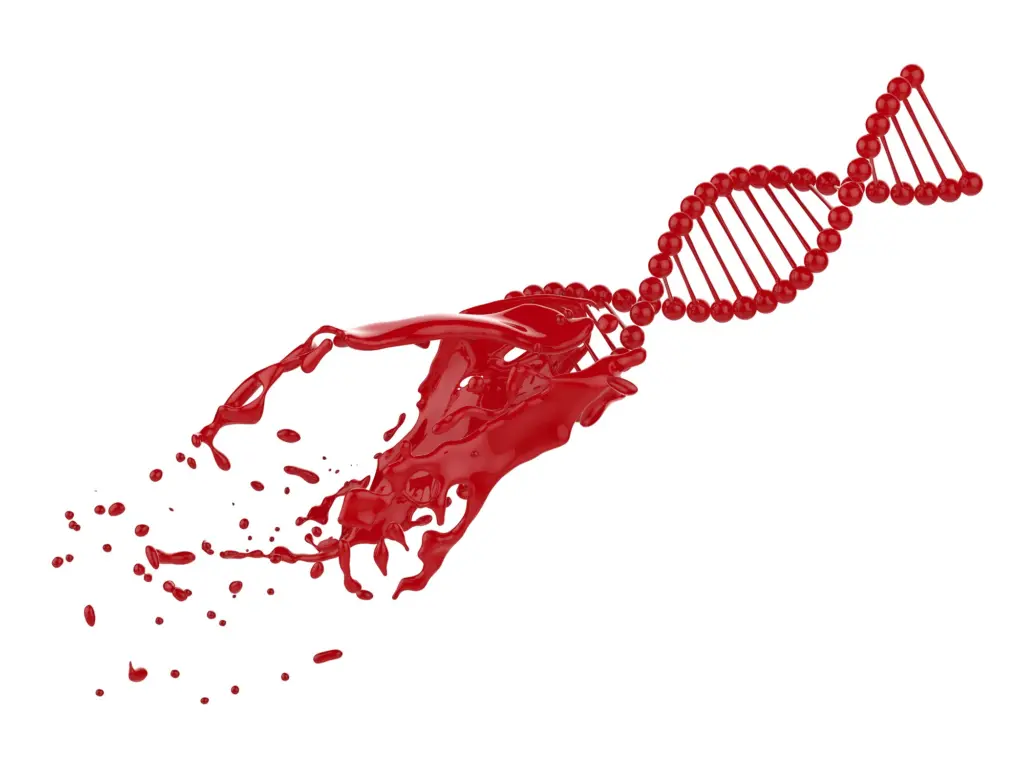
Chemotherapy aims to strike at the cells it is being used to address, in this case, cancer cells. However, it is not selective for cancer cells alone; other rapidly dividing cells, such as those in the bone marrow, digestive tract, and hair follicles, are also affected, leading to side effects. Depending on the drug type, chemotherapy can:
- Damage DNA (e.g., alkylating agents).
- Inhibit DNA synthesis (e.g., antimetabolites).
- Disrupt cell division (e.g., antimitotic agents like taxanes).
- Induce cellular stress (e.g., topoisomerase inhibitors).
Drugs can be administered intravenously, orally, or directly into specific areas such as the cerebrospinal fluid or the abdominal cavity, though this varies based on the cancer type and the treatment plan’s methodologies and goals.
The Main Types of Chemotherapy
Chemotherapy drugs are categorized based on their mechanisms of action. Here are the primary types:
- Alkylating Agents: Damage DNA to prevent replication. (ex. Cyclophosphamide)
- Antimetabolites: Mimic natural substances for infiltration to disrupt DNA and RNA synthesis. (ex. Methotrexate)
- Topoisomerase Inhibitors: Interfere with enzymes needed for DNA unwinding. (ex. Irinotecan)
- Antitumor Antibiotics: Bind to DNA and inhibit RNA synthesis. (ex. Doxorubicin)
- Antimitotic Agents: Constrict microtubule dynamics during cell division. (ex. Paclitaxel, Vincristine)
- Platinum-Based Compounds: Cross-link DNA strands, impeding repair and replication. (ex. Cisplatin)
- Targeted Therapies: Block specific molecules essential for cancer cell growth. (ex. Imatinib)
- Hormonal Agents: Block or suppress hormones that fuel certain cancers. (ex. Tamoxifen)
- Immunomodulatory Agents: Enhance the immune response against cancer. (ex. Thalidomide)
- Epigenetic Modifiers: Alter gene expression without modifying DNA sequences. (ex. Decitabine)
- PARP Inhibitors: Prevent DNA repair in cancer cells. (ex. Olaparib)
Sources of Side Effects
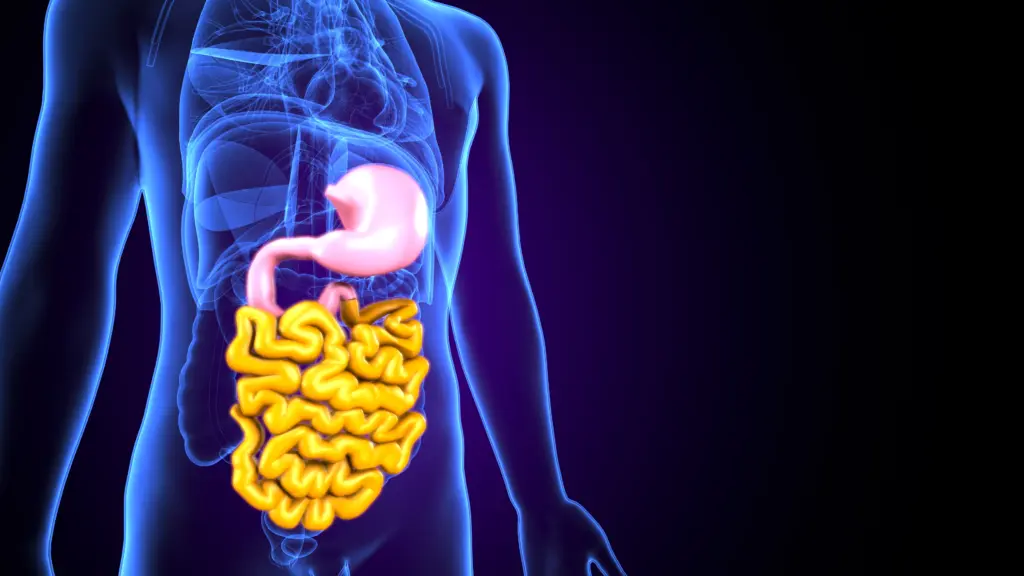
Chemotherapy’s systemic action is the source of both its greatest strengths and risks. Its inability to distinguish between cancerous and healthy rapidly dividing cells underpins most side effects. Commonly affected tissues include:
- Bone Marrow: Leads to anemia, neutropenia, and thrombocytopenia.
- Digestive Tract: Causes nausea, vomiting, diarrhea, and mucositis.
- Hair Follicles: Results in hair loss (alopecia).
- Nervous System: Can cause neuropathy and cognitive dysfunction.
- Reproductive System: May impair fertility.
Other organs, such as the heart, liver, and kidneys, may also experience toxicity depending on the specific drug.
Chemotherapy remains a cornerstone of cancer treatment, offering hope and extending lives despite the additional challenges it can present. From its origins in wartime research to its modern applications, chemotherapy has continually evolved over a hundred years, benefiting from advancements in science and technology. While its adverse effects on healthy tissues are regrettable, ongoing research seeks to further improve precision and reduce toxicity. Our future installments will delve deeper into the side effects, patient experiences, and lifestyle management tips relating to this storied oncological technique. So stay tuned, and follow us to find out when the next article will drop.