


After a century of experimentation, refinement, usage, and iteration, chemotherapy remains one of the most powerful oncological treatments available; it is both a potentially life-saving procedure for the patient, and often a source of significant physical and mental strain. By targeting rapidly dividing cells, it addresses cancer’s relentless spread. However, while cancer cells are often the most vulnerable to the chemicals used, this process can negatively affect healthy tissues as well. Among its many impacts, diminished energy levels—often culminating in profound fatigue—emerge as one of the most common and challenging side effects, deeply impacting the quality of life of both cancer patients and survivors.
Major Side Effects of Chemotherapy
Though there is a wide array of medications that can be used for chemotherapy depending on the type of cancer that must be treated, the systemic nature of the process precludes it from discriminating between cancerous and normal rapidly dividing cells. The way it courses throughout the body facilitates both chemotherapy’s efficacy and its side effects. Key areas of the body affected include:
- Bone Marrow: Chemotherapy often suppresses bone marrow activity, leading to blood cell-inhibiting anemia, neutropenia, and thrombocytopenia. These conditions contribute to fatigue, increased infection risk, and more likelihood of bruising.
- Digestive Tract: Mucosal cells in the digestive lining are vulnerable, resulting in nausea, vomiting, diarrhea, and mouth sores (mucositis).
- Hair Follicles: Leads to hair loss, a common but temporary side effect.
- Nervous System: Certain drugs can induce mild pain, tingling, or numbness in extremities via peripheral neuropathy.
- Cardiovascular and Reproductive Systems: Some chemotherapies may impact heart functions and/or fertility, especially if they are administered over long durations.
The Impact on Energy Levels
One of the most pervasive effects of chemotherapy is fatigue. Unlike the tiredness experienced after a busy day or rigorous exercise, this fatigue is often described as unprompted and unrelenting; sleep or attempted relaxation does little to lift it. The reasons for this chronic energy dysfunction are multifaceted:
- Cellular Stress and Inflammation: Bodily damage from chemotherapy triggers widespread inflammation. Cytokine proteins released during this process disrupt energy metabolism and amplify sensations of fatigue.
- Mitochondrial Dysfunction: Mitochondria, the energy-producing componentof cells, can be impaired by chemotherapy, reducing the body’s ability to efficiently generate energy.
- Anemia: As mentioned earlier, many chemotherapeutic agents suppress red blood cell production, limiting oxygen delivery to tissues, putting more strain on the body to produce what’s needed, and thereby compounding exhaustion.
- Neuroendocrine Disruption: Chemotherapy can alter hormone levels, particularly those involved in stress responsiveness and regulating energy.
Evidence from Clinical Studies
Numerous clinical studies have explored the relationship between chemotherapy and energy levels.In particular, a study in 2023 in Scientific Reports found that chemotherapy is associated with the highest prevalence of ‘severe’ cancer-related fatigue (CRF). Its findings showed that the prevalence of severe CRF in patients undergoing chemotherapy is 33.1%. The significance of it is striking, especially when one compares it to the rates of CRF caused by other procedures as seen below.

Prevalence of cancer-related fatigue based on severity: a systematic review and meta-analysis, 2023
A 2020 Palliat & Supportive Care article observed that cancer treatment-related fatigue (CTRF) can even occur with less invasive oral chemotherapy. Out of the 180 participants in Fatigue in Patients on Oral Targeted or Chemotherapy for Cancer and Associations with Anxiety, Depression, and Quality of Life, 45 of them (25.0%) reported moderate-severe fatigue. Fatigued oral chemotherapy patients experienced more anxiety symptoms, more depressive symptoms, and worse quality of life.
The pervasiveness of fatigue from chemotherapy is another challenge posed by the side effect. Fatigue and quality of life during neoadjuvant chemotherapy of early breast cancer: a prospective multicenter cohort study, published by the Japanese Breast Cancer Society in 2023, observed that patient age, body-mass-index, and cancer stage had no impact on how much CTRF they would experience from their treatments. It was also found that CTRF does not replace existing CRF with lesser fatigue, instead worsening the oncological exhaustion already present.
Quality of Life Implications
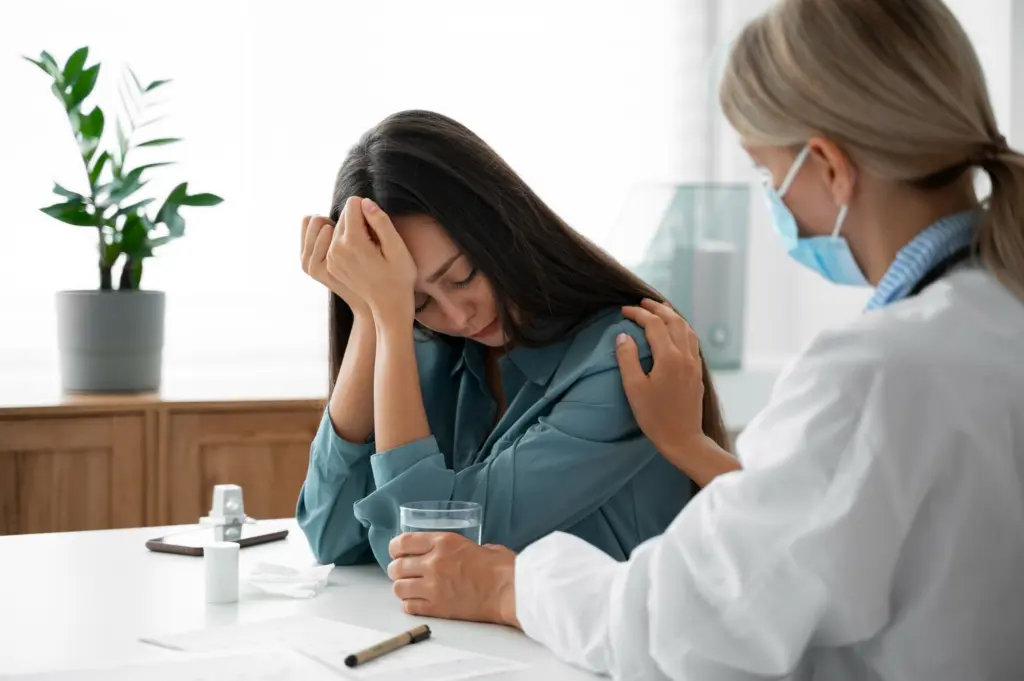
Diminished energy levels profoundly affect a patient’s quality of life. When fatigue sets in, basic daily activities—such as cooking, walking, or socializing—can become daunting. It becomes taxing to meaningfully stay awake and aware during mornings and afternoons. The frustrations do not end in the evenings either, with cancer patients experiencing difficulties falling asleep despite their daytime disorientation.
Having to cope with such a malady in the short-term would be extremely difficult by itself. However, cancer fatigue, both from the disease itself and the strains of the treatments, can last over the duration of the treatment, and beyond. Reputable institutions such as the Mayo Clinic and the Yale School of Medicine state that cancer fatigue “can last months or years after cancer diagnosis and treatment”.
With such an uncertain duration, and with such pervasive exhaustive effects, oncological exhaustion has the capacity to severely hamper the personal and professional lives (if any, as cancer fatigue can be experienced by pediatric patients, too) of anyone afflicted with it. This often leads to emotional distress, including feelings of frustration, helplessness, or depression. Furthermore, diminished energy levels may reduce a patient’s capacity to adhere to their treatment plans, impacting overall outcomes and compromising their recovery.
Typically, cancer patients frequently report a cycle of inactivity: the less energy they have, the less active they become, further reducing their endurance and compounding fatigue. The repetitiveness of this cycle exacerbates existing difficulties, so caregivers and healthcare providers alike must recognize the physical and psychological dimensions of these challenges.
Finding Ways to Fight Cancer Fatigue
Chemotherapy’s side effects on the human body as it helps a patient fight cancer are far-reaching, with oncological fatigue being one of its most debilitating consequences. This exhaustion, rooted in systemic inflammation, anemia, and other mechanisms, directly impacts quality of life and complicates recovery. As research continues to unravel the complexities of chemotherapy-induced fatigue, strategies to mitigate its effects are emerging.
The next article in this series will delve into practical solutions and medical interventions aimed at combating oncological fatigue. From dietary nutritional changes to actionable physical exercises and benign healing supplements, we’ll explore ways to restore energy and improve the lives of those navigating chemotherapy. Join us next time as we continue to seek a path toward more compassionate and comprehensive cancer care.